Prosecutorial Reform Before Chuseok, 'Simultaneous Amendment of Related Legislation' Government & National Assembly Standards Clash
Ministry of Government Legislation's Legislative Drafting Review Standards & National Assembly Legislative Affairs Bureau Guidelines: "Implementation Confusion if Separate Amendments are Pursued"
Government & Ruling Party: "Prioritize Government Organization Act Amendment, Then Prepare Detailed Reform Plans"... Legal Circle: "Contrary to Legislative Principles"
 Government organizational reform plan finalized, including abolition of the Supreme Prosecutors' Office (Seoul=Yonhap News) Reporter Han Jong-chan = The Democratic Party and the government announced on the 7th an amendment to the Government Organization Act that includes the abolition of the Supreme Prosecutors' Office and the establishment of the Prosecution Service and the Serious Crimes Investigation Agency. The photo shows the Seoul Central District Prosecutors' Office in Seocho-gu, Seoul, on the morning of the 8th. 2025.9.8 saba@yna.co.kr
While the government and the ruling party are pushing for the amendment of the Government Organization Act to abolish the Supreme Prosecutors' Office before Chuseok, without enacting legislation on the establishment and operation of the Prosecution Service and the Serious Crimes Investigation Agency, concerns are being raised that this conflicts with the 'standards' set by the Ministry of Government Legislation and the National Assembly. It is also argued that this goes against the principle that 'related legislation must be amended simultaneously,' raising the possibility of controversy.
According to the legal community on the 21st, the Ministry of Government Legislation stated in its Legislative Drafting Review Standards compiled last year, "When amending a law, there are cases where provisions of other related laws must be amended simultaneously." It further stipulated, "If amendments are pursued separately through individual amendment bills, confusion may arise due to the time lag, so amendments to two or more laws should be included in a single amendment bill."
Using the amendment of the Government Organization Act as an example, the Ministry of Government Legislation emphasized, "When establishing the Ministry of Gender Equality and Family and delegating some of the duties of the Minister of Health and Welfare to its minister, it is necessary to amend the relevant laws to change the jurisdiction of the Minister of Health and Welfare to the Minister of Gender Equality and Family regarding gender policy-related authority," and stressed, "These must be amended simultaneously."
The intention is that when the Government Organization Act is amended to change the division of duties among central administrative agencies, related laws and the Government Organization Act must be amended concurrently.
It is argued that if amendments are pursued separately through additional legislative procedures with a time lag, it will not only be inefficient but could also lead to confusion in implementation.
The Legislative Drafting Review Standards are general standards for legislative drafting and review compiled by the Ministry of Government Legislation after consulting with the National Assembly, the Constitutional Court, and the Supreme Court. They are, in principle, to be followed by the government when drafting and reviewing legislation.
The Ministry of Government Legislation explains, "In principle, these standards must be followed when drafting or reviewing legislation, and if these standards cannot be applied as is due to special circumstances, they can be applied with some flexibility after careful review."
Furthermore, 'Legislative Theory and Practice,' published by the Legislative Affairs Bureau of the National Assembly Secretariat, also states, "When related provisions of other laws must be amended simultaneously with the enactment or amendment of a specific law, there is a risk of implementation confusion if they are amended separately through individual amendment bills."
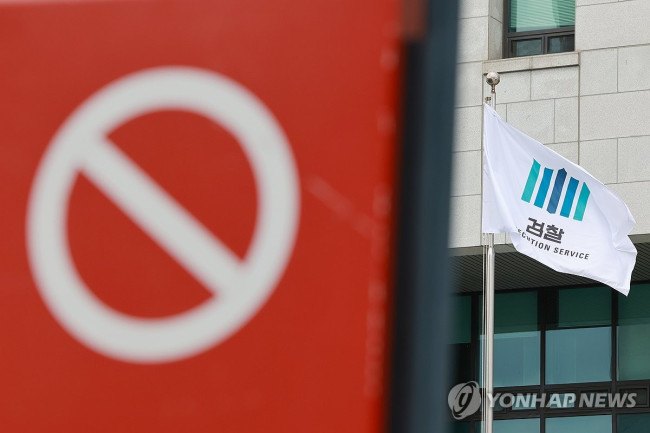 Ruling Party, Government, and President's Office Plan to Finalize Organizational Reform Plan, Including Abolition of Supreme Prosecutors' Office, Today (Seoul=Yonhap News) Reporter Shin Hyun-woo = The Democratic Party, the government, and the Presidential Office plan to finalize a government organizational reform plan, including the abolition of the Supreme Prosecutors' Office and the establishment of the Prosecution Service and the Serious Crimes Investigation Agency, at a high-level party-government-president meeting. Pictured is the Supreme Prosecutors' Office in Seocho-gu, Seoul, on the 7th.
The Serious Crimes Investigation Agency will be established under the Ministry of the Interior and Safety, with its implementation postponed for one year to September of next year. The maintenance of the prosecution's supplementary investigation rights and the establishment of a National Investigation Committee will be discussed as detailed tasks after the Government Organization Act is processed. 2025.9.7 nowwego@yna.co.kr
Accordingly, the legal community points out that the government and the ruling party are rushing unnecessarily, going against the standards of the Ministry of Government Legislation and the National Assembly Legislative Affairs Bureau, due to their determination to complete prosecutorial reform before Chuseok.
The ruling party and the government plan to pass the amendment bill for the Government Organization Act in the National Assembly plenary session on the 25th, and then prepare detailed reform plans containing specific regulations for the establishment and operation of the Prosecution Service and the Serious Crimes Investigation Agency during the one-year grace period.
However, this approach involves separate legislative procedures with a time lag, rather than simultaneously amending related legislation while adjusting the division of duties in the Government Organization Act. This raises concerns that the implementation confusion feared by the Ministry of Government Legislation and the National Assembly Legislative Affairs Bureau could become a reality.
It is argued that because the amendment bill only includes the abolition of the Supreme Prosecutors' Office and the establishment of the Prosecution Service and the Serious Crimes Investigation Agency, it will be difficult for the Supreme Prosecutors' Office, which has become a 'temporary organization,' to function properly even with the grace period, potentially leading to a void in the criminal justice system.
Considering these concerns, some opinions suggest that instead of setting a separate one-year grace period, the government and the ruling party should prepare legislation containing detailed regulations through sufficient discussion and review, and then process it together with the amendment bill for the Government Organization Act. Yonhap News

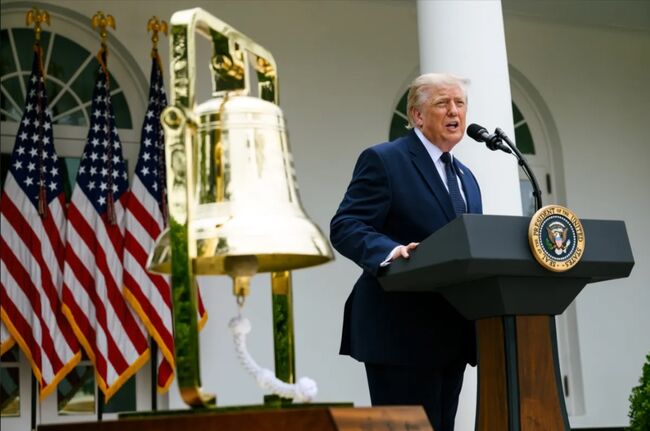 Trump pressures for rate cut again ahead of FOMC... "Should be the lowest in the world"
U.S. President Donald Trump. [Photo = The White House] U.S. President Donald Trump once again pressured the Federal Reserve, the U.S. central bank, to lower interest rates on the 27th (local time
Trump pressures for rate cut again ahead of FOMC... "Should be the lowest in the world"
U.S. President Donald Trump. [Photo = The White House] U.S. President Donald Trump once again pressured the Federal Reserve, the U.S. central bank, to lower interest rates on the 27th (local time
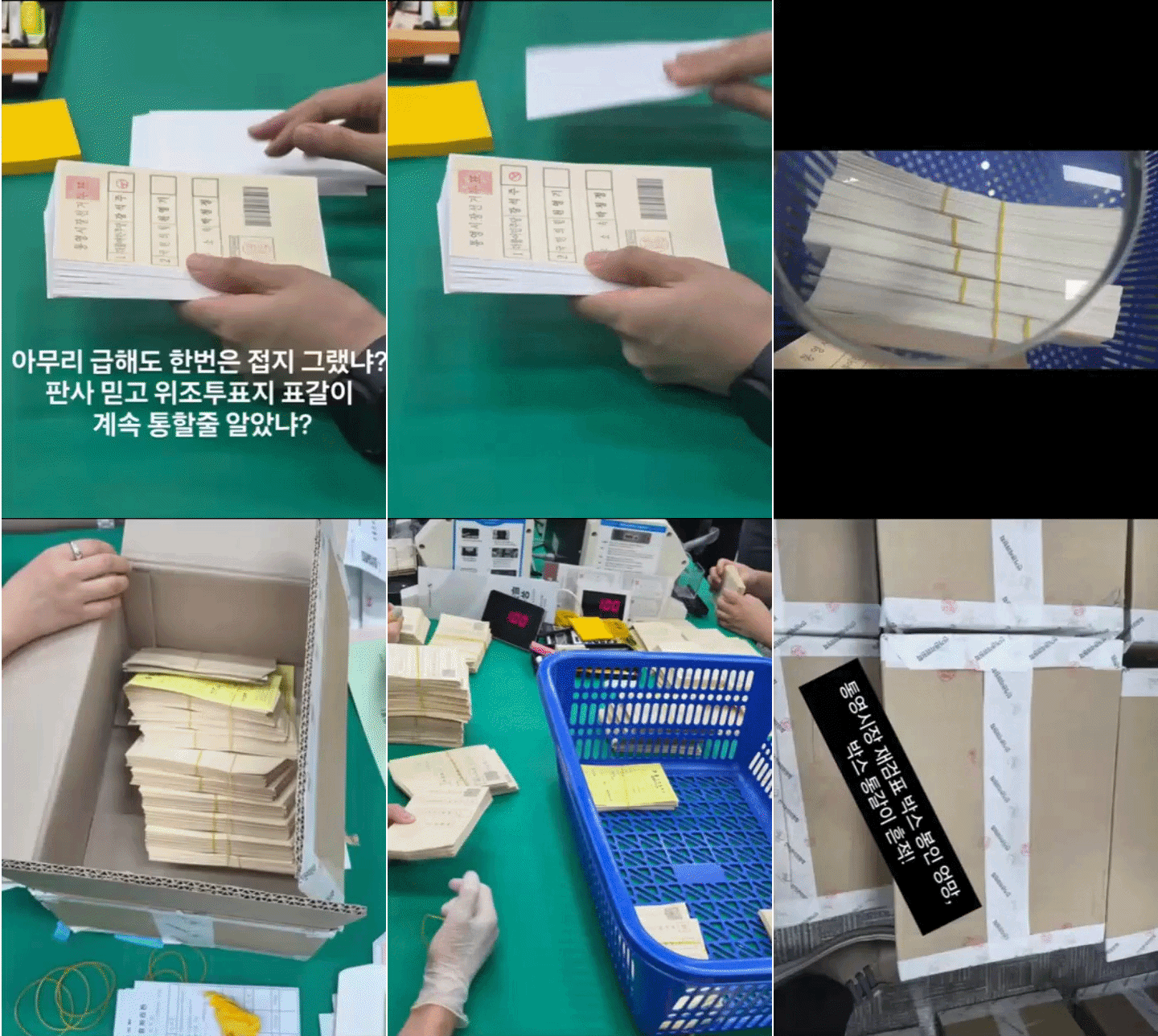 “Ignoring crisp ballots and damaged seals”… Tongyeong mayoral recount concludes with ‘no change in outcome,’ leaving suspicions and public outrage behind
Suspected counterfeit ballots discovered in Tongyeong [GIF from social media of Representative Hwang Kyo-ahn / Attorney Park Joo-hyun]During a recount of the Tongyeong mayoral election in South Gyeong
“Ignoring crisp ballots and damaged seals”… Tongyeong mayoral recount concludes with ‘no change in outcome,’ leaving suspicions and public outrage behind
Suspected counterfeit ballots discovered in Tongyeong [GIF from social media of Representative Hwang Kyo-ahn / Attorney Park Joo-hyun]During a recount of the Tongyeong mayoral election in South Gyeong
 President Yoon, regarding the first-instance ruling on the Public Official Election Act: “An excessive political verdict that distorts the facts… We will appeal immediately.”
The first-instance sentencing hearing for President Yoon Suk Yeol regarding violations of the Public Official Election Act is being broadcast live at Seoul Station on the 27th. [Photo=Yonhap News]Pres
President Yoon, regarding the first-instance ruling on the Public Official Election Act: “An excessive political verdict that distorts the facts… We will appeal immediately.”
The first-instance sentencing hearing for President Yoon Suk Yeol regarding violations of the Public Official Election Act is being broadcast live at Seoul Station on the 27th. [Photo=Yonhap News]Pres
 WSJ: "SK Hynix ADR Premium Is a Sign of AI Trading Overheat"
Advertisement for SK Hynix ADR listing in New York's Times Square [Reuters=Yonhap News file photo]The Wall Street Journal (WSJ) has pointed out that the price of SK Hynix’s American Depositary Recei
WSJ: "SK Hynix ADR Premium Is a Sign of AI Trading Overheat"
Advertisement for SK Hynix ADR listing in New York's Times Square [Reuters=Yonhap News file photo]The Wall Street Journal (WSJ) has pointed out that the price of SK Hynix’s American Depositary Recei
 'Godfather of Japanese Mystery Novels' Keigo Higashino Passes Away After Battle with Cancer at 68
Famous Japanese mystery novelist Keigo Higashino [AFP=Yonhap News]It has been belatedly reported that Keigo Higashino, the "godfather of Japanese mystery novels" and author of bestsellers such as "The
'Godfather of Japanese Mystery Novels' Keigo Higashino Passes Away After Battle with Cancer at 68
Famous Japanese mystery novelist Keigo Higashino [AFP=Yonhap News]It has been belatedly reported that Keigo Higashino, the "godfather of Japanese mystery novels" and author of bestsellers such as "The
 [Park Pil-kyu Security Column] To the Ignorant Trying to Clothe a Beast in Sheep's Clothing
Rep. Kim Byung-joo of the Democratic Party of Korea [Photo=Yonhap News]“The Air Force Academy doesn't teach you how to fly a plane!” “The Army, Navy, and Air Force academies are exactly the
[Park Pil-kyu Security Column] To the Ignorant Trying to Clothe a Beast in Sheep's Clothing
Rep. Kim Byung-joo of the Democratic Party of Korea [Photo=Yonhap News]“The Air Force Academy doesn't teach you how to fly a plane!” “The Army, Navy, and Air Force academies are exactly the
 [Issue Diagnosis] Two Effects of the Election Petition Review
 [Photo] Evidence of Election Fraud Flooding U.S. Media… Trump Had 2.7 Million Votes Stolen
 [Video] U.S. Semiquincentennial Air Show... 'Art in the Sky' streaks across New York
 [Editorial Cartoon] A Draconian Law That Undermines Freedom of Expression

 List
List