SCIF Targets Allegations of South Korean Election Irregularities in Two Posts on the 8th
"Hidden Devices in Ballot Sorting Hardware, Suspected Wi-Fi Hacking"
"Identical to Trump's Claims that China, Not Russia, Threatens U.S. Elections"
"Criticism Points to Miru Systems, Linked to A-WEB, as the Problem"
"Not Just South Korea, but a Global Election Fraud Cartel"
"South Korea is Part of a Cartel Manipulating Votes Through a Global Network"
Government Takes Legal Action Against Accusers Following Civic Groups' Claims of Election Fraud
Min Kyung-wook: "Because the perpetrators of election manipulation know they've been caught by the people."
Matt Schlapp: "President Yoon Responded that Huawei Operates South Korea's Election System."
"Chinese Technology Used to Determine South Korean Election Results... an Outrage," Revealed
Revelations from a U.S.-based social media account specializing in tracking election irregularities, alleging that Chinese Huawei's technology has enabled China's multinational election interference, have garnered significant attention regarding their veracity. The U.S. SCIF (@TheSCIF) stated on its X (formerly Twitter) account on the 8th (local time), "Huawei technology is suspected of enabling China's election interference."
Specifically, the account detailed "hidden devices in ballot sorting hardware during South Korea's 2020 parliamentary elections and Wi-Fi signals hinting at hacking in the 2025 presidential and by-elections." It further implied that "activists claim secret codes produce results favorable to a specific political party," likely referring to election monitoring groups such as those focused on election fraud and anti-corruption.
However, the account noted, "Election authorities dismissed these claims as baseless and expressed grievances, lumping them in with election saboteurs." It added, "The White House has expressed concerns about Chinese influence in South Korea's 2025 presidential election polls, without directly suggesting links to Huawei."
It went on to state, "Conservative critics in South Korea suspect widespread (election) fraud occurred in the April general elections," directly pointing out that they "claim the ruling party secured a majority in parliament with China's assistance, citing 'electronic distortions' and 'mail-in irregularities.'"
SCIF used the plural "April elections" in its post. One of these, given the context of an election where the ruling party secured a majority, appears to refer to the general election held on April 15, 2020, during the Moon Jae-in administration.
The account also noted, "These allegations align with former President Donald Trump's and the Department of Justice's claims that China, not Russia, poses a threat to U.S. elections." It further pointed out, "Facebook has removed China-linked pages targeting Trump and Biden (regarding election fraud controversies)."
Crucially, it added, "The election fraud controversy intensified after Professor Walter Mebane of the University of Michigan published a paper in May 2020 stating that the South Korean general election was fraudulent." "Professor Mebane's paper presented statistical evidence of fraud that potentially altered election outcomes," it concluded.
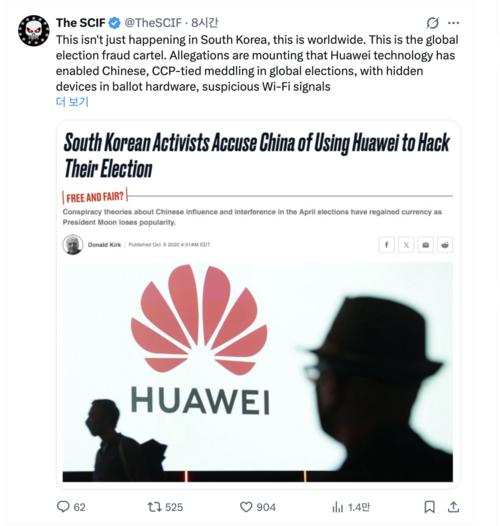 Screenshot of a post from SCIF (@TheSCIF), a social media account specializing in tracking U.S. election irregularities.
In another post on the same day, SCIF again mentioned South Korea, emphasizing, "This isn't just happening in South Korea. This is a worldwide phenomenon, a global election fraud cartel."
In relation to this, Min Kyung-wook, former Member of the National Assembly for the United Future Party (predecessor to the People Power Party), who previously served as spokesperson for the Blue House under the Park Geun-hye administration, posted on Facebook on the morning of the 9th (Korea time). Regarding the election authorities' dismissal of 'election fraud' allegations as baseless and their subsequent legal actions against the accusers, he stated, "Why is that? Because the people rigging the elections know they've been caught by the people." He added, "People have started to notice," and published the full translation of SCIF's second post.
According to the full translation released by former Assemblyman Min, SCIF stated, "There are also claims that this is not an isolated incident, but part of a dark 'election fraud cartel' that uses a network of global tech companies to manipulate election results." It particularly emphasized, "In South Korea, Miru Systems, a key company linked to the Association of World Election Bodies (A-WEB), has faced criticism for exporting problematic voting technology abroad."
Furthermore, it stated, "In Iraq's 2018 elections, suspicions of fraud arose due to Miru equipment, leading to manual recounts and even a warehouse fire." "In the Democratic Republic of Congo's 2018 and 2023 elections, this equipment was criticized as a 'cheating machine,' leading to large-scale protests and bribery investigations," it added.
The account repeatedly stressed, "The same patterns and the same outcomes keep happening, and the people are noticing."
Former Assemblyman Min remarked on Facebook, "The lesson from SCIF exposing circumstances of Chinese interference in South Korea's elections is this one sentence: 'If you control the vote count, you can control the country.'"
Meanwhile, Matt Schlapp, Chairman of the American Conservative Union (ACU) and Co-Chairman of the Conservative Political Action Conference (CPAC), revealed on his social media in March of last year, "I went to Seoul and met with President Yoon Suk-yeol and heard his stance." He stated, "It's an outrage that Chinese technology is being used to determine South Korea's election results."
Schlapp, who visited the President's official residence in Hannam-dong shortly after the impeachment vote, repeatedly asked, "Who runs your elections?" President Yoon, who remained silent despite being asked twice, reportedly answered "Huawei (China)" upon repeated questioning.
Below is the full translation of former Assemblyman Min Kyung-wook's SCIF post.
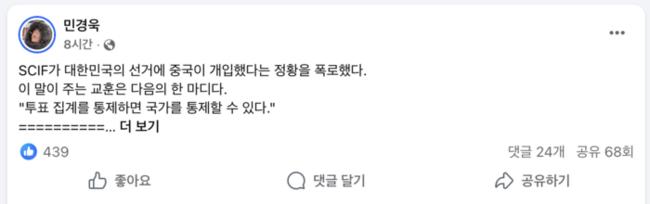 A post uploaded by former Assemblyman Min Kyung-wook on Facebook on March 9th. [Screenshot from former Assemblyman Min's Facebook]
This isn't just happening in South Korea, this is worldwide. This is the global election fraud cartel. Allegations are mounting that Huawei technology has enabled Chinese, CCP-tied meddling in global elections, with hidden devices in ballot hardware, suspicious Wi-Fi signals hinting at hacks, and secret codes allegedly tilting results toward favored parties.
In South Korea's 2020 parliamentary vote and 2025 by-elections, activists called out these tactics, though officials dismissed them as baseless and pursued charges against the accusers.
Why? Because the they know they got caught by the people rigging the elections. People have caught on. The White House voiced broader concerns about Beijing's influence in 2025 U.S. polls, stopping short of direct Huawei ties.
Conservative critics in South Korea point to widespread fraud in the April 2024 National Assembly elections, blaming electronic glitches, mail-in ballot irregularities, and Chinese assistance for the ruling party's landslide. - Japan-forward
These claims echo Trump-era DOJ warnings that China, not Russia, poses the real threat to U.S. voting integrity. - CNN
Facebook axed China-linked pages targeting Trump and Biden, while a May 2020 study by University of Michigan's Walter Mebane flagged statistical anomalies in Korea's election, suggesting fraud could have swung outcomes, though critics argue his model overlooks local systems.
But this isn't isolated, it's part of a shadowy "election fraud cartel" orchestrated by global elites, leveraging interconnected tech firms to rig votes worldwide. In South Korea, Miru Systems, a key player tied to the Association of World Election Bodies (A-WEB), has exported voting tech plagued by failures. Miru's machines in Iraq's 2018 polls sparked fraud cries, manual recounts, and a warehouse fire, in DR Congo's 2018 and 2023 elections, they fueled "cheating machine" accusations amid deadly protests and bribery probes.
The same patterns and the same outcomes keep happening, and the people are noticing:
- U.S. 2020 Election:
Dominion/Smartmatic systems allegedly deleted/switched votes, ties to Venezuelan "Cartel del Sol" and Chinese hardware.
Baseless fraud claims fueled Jan. 6; no systemic evidence found.
- Brazil:
Miru-like tech sparked riots over rigged results.
Overturned elections, protests.
- Congo:
Miru glitches led to fraud allegations, violence.
Landslide wins questioned; international scrutiny.
- Iraq:
Miru machines prompted recounts, explosions.
Flipped winners; corruption probes.
- Taiwan:
China-backed disinformation via TikTok/YouTube.
Heightened interference in 2024 polls.
Chinese hidden Huawei tech has also been allegedly rigging Canadian votes in 2020 & 2025, to statistical fraud signals in South Korea's 2020 polls, echoing U.S. warnings on China over Russia as the real threat. Officials deny, but White House concerns & DOJ echoes grow. Is this the tip of a vast interference iceberg?
The Global Election Fraud Cartel has been connected to similar cases across borders. The allegations outlined in the query point to a pattern of sophisticated election interference attributed to Chinese state actors and affiliated entities, often involving technology, disinformation, and proxy influence. This network—sometimes dubbed the "election fraud cartel" in conspiratorial circles—refers to a loose coalition of authoritarian regimes, tech firms like Huawei, and elite proxies allegedly working to undermine democratic processes worldwide.
While many claims remain unproven or dismissed by officials, substantiated reports from intelligence agencies and inquiries reveal recurring tactics in multiple countries. These include electronic manipulation, statistical anomalies, disinformation campaigns, and economic coercion, often favoring pro-China candidates or disrupting anti-China voices. Below, I outline key similar cases, drawing from credible investigations and analyses for balance.
U.S. 2020 Presidential Election
Allegations that Dominion and Smartmatic systems deleted or altered votes, with claims of connections to Venezuela's "Cartel del Sol" and Chinese hardware.
However, these election fraud claims fueled the January 6th events, but no evidence of systematic fraud was found.
Brazil
Claims that election equipment using technology similar to Miru's sparked riots over manipulated results.
Congo
Allegations of fraud and violent incidents due to Miru equipment malfunctions.
Iraq
Recounts and explosions occurred due to Miru equipment, with corruption investigations underway.
Taiwan
Spread of China-linked disinformation through TikTok and YouTube.
Increased concerns of foreign interference in the 2024 elections.
Furthermore, claims that China's Huawei technology has also influenced Canada's 2020 and 2025 elections, along with the statistical anomalies observed in South Korea's 2020 elections, are being raised in conjunction with U.S. warnings about China being a greater threat than Russia. While authorities deny this, concerns from the White House and the U.S. Department of Justice are growing. Could this be the tip of a massive election interference iceberg?
There are also claims that the so-called **"Global Election Fraud Cartel"** is connected to similar cases that have occurred in multiple countries. These allegations suggest a pattern of organizations linked to Chinese state actors working to undermine democracy worldwide through technology, disinformation, and proxy forces.
Of course, many claims remain unproven or have been denied by authorities. However, intelligence agencies and investigative reports point to recurring tactics in several countries.
These tactics include:
Manipulation of electronic equipment
Statistical anomalies
Disinformation campaigns
Economic coercion
It is analyzed that these activities often favor pro-China candidates or weaken anti-China forces.
Canada
Investigation results have indicated Chinese election interference in Canada's 2019 and 2021 federal elections. A 2024 public hearing concluded that China supported pro-China candidates through proxies and spread disinformation on platforms like WeChat. Canada banned Huawei's 5G equipment in 2022.
United States
Trump and some Justice Department officials have claimed that China poses a greater election threat than Russia. There are also whistleblower reports of massive production of fake IDs and ballots from China. Facebook removed China-linked disinformation pages targeting both Trump and Biden.
Taiwan
Analysis suggests China has attempted to influence election outcomes through disinformation networks, military drills, and economic pressure. There were also claims of support for pro-China forces in the 2018 local elections.
Australia
Australian intelligence agencies have stated they have repeatedly uncovered Chinese political funding and espionage activities. WeChat-driven public opinion manipulation campaigns have also been reported.
Other Countries
Similar influence operations have been alleged in New Zealand, the Philippines, Cambodia, Malaysia, and some African countries.
These cases are leading to claims of a global pattern that combines national technology companies, political networks, and international influence structures.
Some critics argue that these networks are connected to USAID, NGOs, and global elites, and also have ties to China, Iran, and Venezuela. They claim these entities use overseas servers, common source codes, and psychological warfare to undermine democracy and bring pro-government forces to power.
Huawei's surveillance technology, Miru equipment malfunctions, and the controversy surrounding remote access to Dominion systems are repeatedly mentioned within these claims.
In conclusion, their logic is as follows:
> If you control the vote count, you can control the country.
It is also argued that free elections will disappear if this structure is not dismantled.
And the question is posed:
Where to next?
Demand transparency.
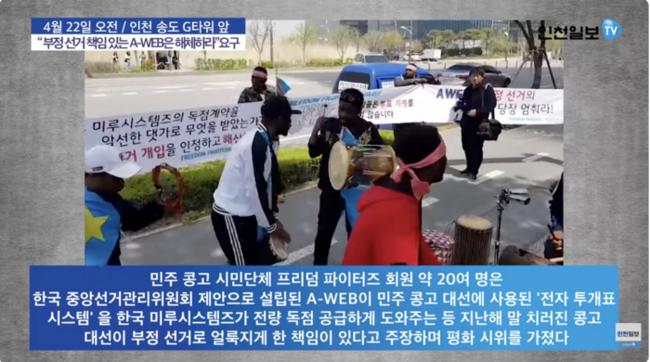 On April 22, 2019, Congolese citizens are seen protesting in front of the A-WEB office located in Songdo, Incheon. [Incheon Ilbo YouTube capture]
Original SCIF Post
This isn't just happening in South Korea, this is worldwide. This is the global election fraud cartel. Allegations are mounting that Huawei technology has enabled Chinese, CCP-tied meddling in global elections, with hidden devices in ballot hardware, suspicious Wi-Fi signals hinting at hacks, and secret codes allegedly tilting results toward favored parties.
In South Korea's 2020 parliamentary vote and 2025 by-elections, activists called out these tactics, though officials dismissed them as baseless and pursued charges against the accusers.
Why? Because the they know they got caught by the people rigging the elections. People have caught on. The White House voiced broader concerns about Beijing's influence in 2025 U.S. polls, stopping short of direct Huawei ties.
Conservative critics in South Korea point to widespread fraud in the April 2024 National Assembly elections, blaming electronic glitches, mail-in ballot irregularities, and Chinese assistance for the ruling party's landslide. - Japan-forward
These claims echo Trump-era DOJ warnings that China, not Russia, poses the real threat to U.S. voting integrity. - CNN
Facebook axed China-linked pages targeting Trump and Biden, while a May 2020 study by University of Michigan's Walter Mebane flagged statistical anomalies in Korea's election, suggesting fraud could have swung outcomes, though critics argue his model overlooks local systems.
But this isn't isolated, it's part of a shadowy "election fraud cartel" orchestrated by global elites, leveraging interconnected tech firms to rig votes worldwide. In South Korea, Miru Systems, a key player tied to the Association of World Election Bodies (A-WEB), has exported voting tech plagued by failures. Miru's machines in Iraq's 2018 polls sparked fraud cries, manual recounts, and a warehouse fire, in DR Congo's 2018 and 2023 elections, they fueled "cheating machine" accusations amid deadly protests and bribery probes.
The same patterns and the same outcomes keep happening, and the people are noticing:
- U.S. 2020 Election:
Dominion/Smartmatic systems allegedly deleted/switched votes, ties to Venezuelan "Cartel del Sol" and Chinese hardware.
Baseless fraud claims fueled Jan. 6; no systemic evidence found.
- Brazil:
Miru-like tech sparked riots over rigged results.
Overturned elections, protests.
- Congo:
Miru glitches led to fraud allegations, violence.
Landslide wins questioned; international scrutiny.
- Iraq:
Miru machines prompted recounts, explosions.
Flipped winners; corruption probes.
- Taiwan:
China-backed disinformation via TikTok/YouTube.
Heightened interference in 2024 polls.
Chinese hidden Huawei tech has also been allegedly rigging Canadian votes in 2020 & 2025, to statistical fraud signals in South Korea's 2020 polls, echoing U.S. warnings on China over Russia as the real threat. Officials deny, but White House concerns & DOJ echoes grow. Is this the tip of a vast interference iceberg?
The Global Election Fraud Cartel has been connected to similar cases across borders. The allegations outlined in the query point to a pattern of sophisticated election interference attributed to Chinese state actors and affiliated entities, often involving technology, disinformation, and proxy influence. This network—sometimes dubbed the "election fraud cartel" in conspiratorial circles—refers to a loose coalition of authoritarian regimes, tech firms like Huawei, and elite proxies allegedly working to undermine democratic processes worldwide.
While many claims remain unproven or dismissed by officials, substantiated reports from intelligence agencies and inquiries reveal recurring tactics in multiple countries. These include electronic manipulation, statistical anomalies, disinformation campaigns, and economic coercion, often favoring pro-China candidates or disrupting anti-China voices. Below, I outline key similar cases, drawing from credible investigations and analyses for balance.
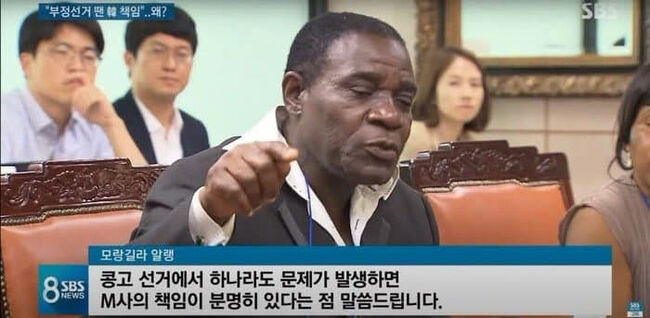 SBS News footage from August 9, 2018. [Screenshot from freezinenews.com/DC Gallery post]
Canada has faced well-documented Chinese interference in its 2019 and 2021 federal elections, with tactics mirroring the query's Huawei-linked claims. A 2024 public inquiry found China clandestinely supported "pro-PRC" candidates through proxy agents, disinformation on platforms like WeChat, and intimidation of critics. While not directly implicating Huawei in ballot hardware, security concerns led to a 2022 ban on Huawei 5G equipment due to espionage risks.
Intelligence reports highlight "sophisticated strategies" like undeclared funding and media manipulation, potentially flipping ridings but not overall results. Officials like CSIS have called it a "danger to democracy," though Beijing denies involvement. This echoes the query's Wi-Fi hacking and secret codes claims, with activists facing complaints for disruptions, similar to how Canadian inquiries dismissed some media reports as partially incorrect while affirming broader threats.
U.S. allegations closely parallel the query, with Trump and DOJ officials claiming China poses a greater election threat than Russia. Declassified docs and whistleblowers allege massive fake ballots and IDs from China, tied to a global network including Serbia, Iran, and Venezuela. Facebook removed China-linked pages targeting Trump and Biden, spreading disinformation.
Recent shifts focus on local/state races, with Beijing cultivating politicians via economic ties and exploiting issues like immigration. Critics argue these claims fuel polarization, but intelligence warns of "information manipulation" as a top risk. This mirrors South Korea's electronic distortions and mail-in irregularities, with Huawei components allegedly in voting tech—though U.S. probes found no outcome-altering fraud.
This "cartel" dynamic involves CCP proxies and tech infiltration, akin to the query's hidden devices and favored parties. China's interference in Taiwan's elections is among the most aggressive, using disinformation farms, military drills, and economic pressure to sway outcomes against pro-independence parties like the DPP.
In 2018 local elections, Beijing funded proxies, spread fake stories via Weibo and Line, and intimidated candidates—leading to DPP losses. The 2024 presidential race saw tax probes on rivals, tariff suspensions, and balloon surveillance, all to fragment opposition. Taiwan ranks highest in foreign disinformation exposure, per V-Dem reports, with tactics like bot-driven narratives favoring unification.
Australia reports multiple instances of Chinese interference in federal and local elections, including funding Labor candidates and spying plots foiled by ASIO. In 2022, WeChat campaigns targeted anti-China politicians, echoing Canadian cases. Beijing uses diaspora influence to boost pro-CCP views, with economic retaliation (e.g., trade bans) pressuring voters. Similar to South Korea's Mebane study anomalies, Australian inquiries found statistical irregularities in some ridings, though dismissed as non-decisive.
A Global Pattern has emerged with other countries involved.
- New Zealand and Philippines: Intimidation and funding of pro-China candidates, with disinformation on social media.
- Cambodia and Malaysia: Economic incentives and proxy parties to install sympathetic regime.
- Africa (e.g., Zambia, Sierra Leone): Alleged vote-rigging via Chinese tech exports, though evidence is limited.
- Europe and South America: Cyber ops and media manipulation, per EU reports, often linked to Huawei infrastructure.
These cases suggest a coordinated "cartel" leveraging state tech giants like Huawei, united front work, and global elites.
This global cartel is fueled by giant taxpayer programs like USAID, NGOs, and elites, with ties to China (CCP), Iran, and Venezuela, uses shared source codes, overseas servers, and psychological ops to install puppets and erode democracy.
From Huawei's espionage tools to Miru's "glitchy" exports, to Dominion's remote access flipping votes, the elite playbook is clear. Control the count, control the country. If we don't dismantle it, free elections are history. Who's next? Demand transparency.
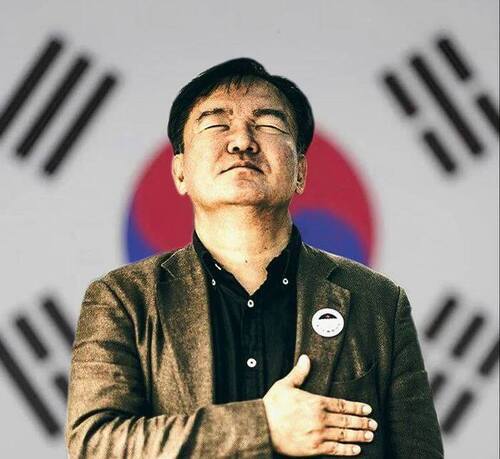 Former Assemblyman Min Kyung-wook, who has dedicated himself to the forefront of hybrid warfare to uncover the truth about election fraud without yielding to accusations and pressure of being a conspiracy theorist. [Screenshot from former Assemblyman Min Kyung-wook's Facebook]

 Iranian Foreign Ministry: "Continuing Message Exchanges with the U.S. and Activities of Mediating Countries"
Esmaeil Baghaei, Spokesperson for the Iranian Ministry of Foreign Affairs [Xinhua, Yonhap News file photo]Esmaeil Baghaei, spokesperson for the Iranian Ministry of Foreign Affairs, stated on the 26th
Iranian Foreign Ministry: "Continuing Message Exchanges with the U.S. and Activities of Mediating Countries"
Esmaeil Baghaei, Spokesperson for the Iranian Ministry of Foreign Affairs [Xinhua, Yonhap News file photo]Esmaeil Baghaei, spokesperson for the Iranian Ministry of Foreign Affairs, stated on the 26th
 President Yoon: "Do You Think You Are Safe from the Special Counsel?"... Final Statement Video Released
President Yoon Suk Yeol rebuking the special prosecutor on the 24th. [Court video / @birds_justice X account subtitle GIF] A video of President Yoon Suk Yeol's closing statement at his trial rega
President Yoon: "Do You Think You Are Safe from the Special Counsel?"... Final Statement Video Released
President Yoon Suk Yeol rebuking the special prosecutor on the 24th. [Court video / @birds_justice X account subtitle GIF] A video of President Yoon Suk Yeol's closing statement at his trial rega
 President Yoon, regarding the first-instance ruling on the Public Official Election Act: “An excessive political verdict that distorts the facts… We will appeal immediately.”
The first-instance sentencing hearing for President Yoon Suk Yeol regarding violations of the Public Official Election Act is being broadcast live at Seoul Station on the 27th. [Photo=Yonhap News]Pres
President Yoon, regarding the first-instance ruling on the Public Official Election Act: “An excessive political verdict that distorts the facts… We will appeal immediately.”
The first-instance sentencing hearing for President Yoon Suk Yeol regarding violations of the Public Official Election Act is being broadcast live at Seoul Station on the 27th. [Photo=Yonhap News]Pres
 WSJ: "SK Hynix ADR Premium Is a Sign of AI Trading Overheat"
Advertisement for SK Hynix ADR listing in New York's Times Square [Reuters=Yonhap News file photo]The Wall Street Journal (WSJ) has pointed out that the price of SK Hynix’s American Depositary Recei
WSJ: "SK Hynix ADR Premium Is a Sign of AI Trading Overheat"
Advertisement for SK Hynix ADR listing in New York's Times Square [Reuters=Yonhap News file photo]The Wall Street Journal (WSJ) has pointed out that the price of SK Hynix’s American Depositary Recei
 'Godfather of Japanese Mystery Novels' Keigo Higashino Passes Away After Battle with Cancer at 68
Famous Japanese mystery novelist Keigo Higashino [AFP=Yonhap News]It has been belatedly reported that Keigo Higashino, the "godfather of Japanese mystery novels" and author of bestsellers such as "The
'Godfather of Japanese Mystery Novels' Keigo Higashino Passes Away After Battle with Cancer at 68
Famous Japanese mystery novelist Keigo Higashino [AFP=Yonhap News]It has been belatedly reported that Keigo Higashino, the "godfather of Japanese mystery novels" and author of bestsellers such as "The
 [Park Pil-kyu Security Column] To the Ignorant Trying to Clothe a Beast in Sheep's Clothing
Rep. Kim Byung-joo of the Democratic Party of Korea [Photo=Yonhap News]“The Air Force Academy doesn't teach you how to fly a plane!” “The Army, Navy, and Air Force academies are exactly the
[Park Pil-kyu Security Column] To the Ignorant Trying to Clothe a Beast in Sheep's Clothing
Rep. Kim Byung-joo of the Democratic Party of Korea [Photo=Yonhap News]“The Air Force Academy doesn't teach you how to fly a plane!” “The Army, Navy, and Air Force academies are exactly the
 [Issue Diagnosis] Two Effects of the Election Petition Review
 [Photo] Evidence of Election Fraud Flooding U.S. Media… Trump Had 2.7 Million Votes Stolen
 [Video] U.S. Semiquincentennial Air Show... 'Art in the Sky' streaks across New York
 [Editorial Cartoon] A Draconian Law That Undermines Freedom of Expression

 List
List