- By Shin Joong-sup, Kim Seung-ok, Hwang Seung-yeon, Hyun Jin-kwon, and Choi Jun-sun, Minerva Books, 17,000 won

South Korea’s inheritance tax rate is among the highest in the world. The issue is not merely the level of the tax rate. Inheritance is not simply a matter of transferring wealth; it is intrinsically linked to the succession of businesses, jobs, technology, and know-how. When the inheritance tax threatens the management rights of a company built over a lifetime—and even the very survival of the business itself—it is by no means a desirable outcome for the nation.
This book provides a multifaceted analysis of the inheritance tax issue from the perspectives of economics, philosophy, sociology, public finance, and law. Although the authors come from diverse academic backgrounds, they are united in the belief that the structural problems and resulting side effects of the current inheritance tax system can no longer be ignored.
The five authors differ in their fields of expertise and approaches. However, they share a single critical awareness: that South Korea’s current inheritance tax system can no longer be left as it is.
The protection of private property has become one of the fundamental duties of the state in a civilized society. Recognizing the protection of an individual's life, liberty, and property as the role of the state is essential, and among these, property serves as the source of both life and liberty. - Professor Shin Joong-sup
Human history is a record of how people have struggled to safely pass on the power and wealth they have cultivated to their descendants and preserve their family legacies. Despite challenges or pressures intended to block the intergenerational transfer of wealth, humanity has always devised strategies to realize the instinct to inherit that is inherent in human nature. - Professor Kim Seung-wook
Every other country has mechanisms in place to prevent the loss of management rights due to inheritance tax. In every country except South Korea, while there may be tax discounts to facilitate business succession, there are no surcharges intended to obstruct it. South Korea is the only country where companies and management rights are forfeited due to inheritance taxes. - Professor Hwang Seung-yeon
Abolishing the inheritance tax in Korea is by no means easy. This is primarily because the vast majority of the public is under the impression that "stricter inheritance taxes equal the realization of justice." Unless public perception changes, politicians will not adopt it as a policy proposal, as politicians are entities that survive on votes. - Director Hyun Jin-kwon
Currently, the regulation of public interest corporations in Korea is trapped in the negative perception that they are merely "means of maintaining control" for large business groups, which results in the side effect of stifling the positive functions of public interest activities. To expand the culture of corporate philanthropy and facilitate smooth business succession, a forward-looking shift in perspective toward guaranteeing voting rights for public interest corporations is necessary. - Professor Choi Joon-sun
Inheritance tax dismantles families and businesses. It stifles entrepreneurship and discourages long-term investment. It makes business succession impossible, distorts capital markets, and drives companies abroad. To pay the inheritance tax, owners must sell their stocks, and selling those stocks leads to the loss of management rights. When management rights are lost, a company's identity and long-term strategy collapse. Is this really a system worthy of a normal country?
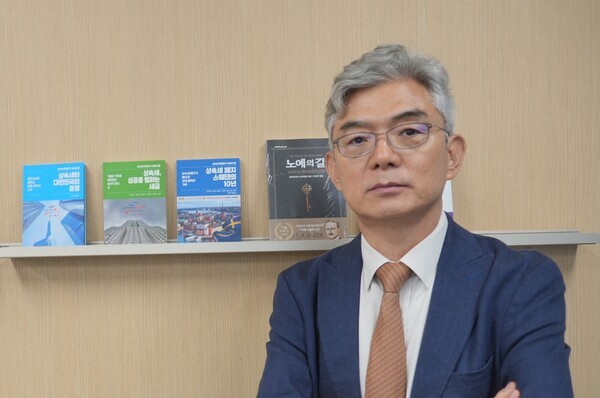 Professor Hwang Seung-yeon
What do you think of this article?

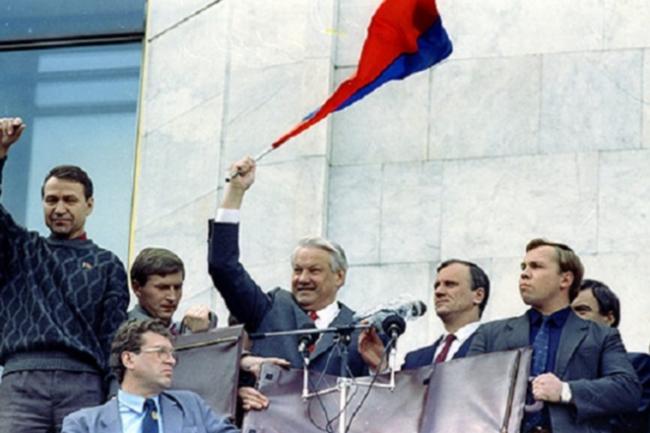 [Songsan Column | 80-Year History of the Pro-North Korean Left] ㉛ 1991: The Dissolution of the Soviet Union
On August 22, 1991, Russian President Boris Yeltsin waves the Russian tricolor flag, calling for resistance against the coup forces. On December 26, 1991, the Soviet Union (USSR), once the world’s m
[Songsan Column | 80-Year History of the Pro-North Korean Left] ㉛ 1991: The Dissolution of the Soviet Union
On August 22, 1991, Russian President Boris Yeltsin waves the Russian tricolor flag, calling for resistance against the coup forces. On December 26, 1991, the Soviet Union (USSR), once the world’s m
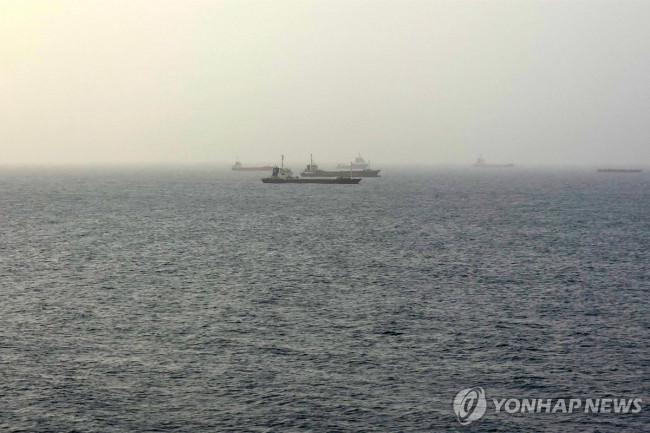 U.S. Military: "Iran maritime blockade remains in effect… 2 vessels neutralized, 12 forced to change course"
Gulf of Oman [AFP=Yonhap News]The U.S. military announced on the 25th (local time) that it is maintaining a full maritime blockade against Iran.U.S. Central Command (CENTCOM), which oversees the Middl
U.S. Military: "Iran maritime blockade remains in effect… 2 vessels neutralized, 12 forced to change course"
Gulf of Oman [AFP=Yonhap News]The U.S. military announced on the 25th (local time) that it is maintaining a full maritime blockade against Iran.U.S. Central Command (CENTCOM), which oversees the Middl
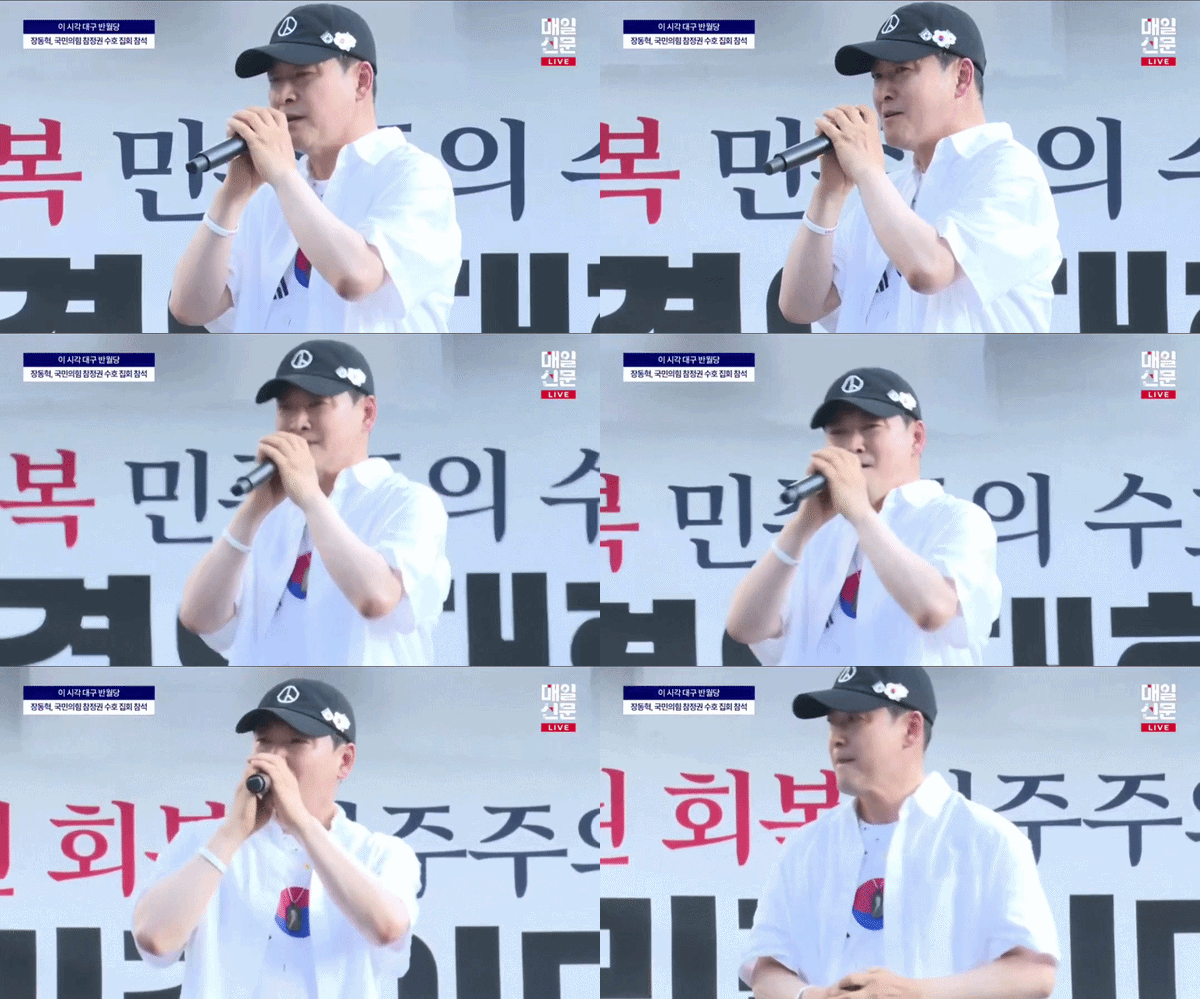 Jang Dong-hyeok suggests unifying slogans, asking, "Is there anyone left who still denies these were rigged or flawed elections?"
People Power Party Representative Jang Dong-hyeok speaks in Daegu on the 25th. [Maeil Shinmun YouTube Video GIF]As the sweat and tears shed by patriotic citizens on the asphalt over the past decade ha
Jang Dong-hyeok suggests unifying slogans, asking, "Is there anyone left who still denies these were rigged or flawed elections?"
People Power Party Representative Jang Dong-hyeok speaks in Daegu on the 25th. [Maeil Shinmun YouTube Video GIF]As the sweat and tears shed by patriotic citizens on the asphalt over the past decade ha
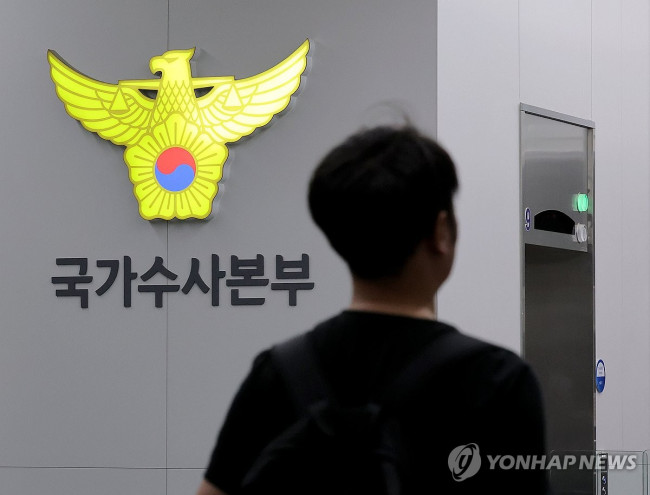 "Cannot Trust Police Investigations": Objections Double in 4 Years… 34,000 Cases in First Half of This Year
Police officials walk past the lobby of the National Office of Investigation (NOI) as the special investigation team looking into the Jang Yoon-gi case conducts a raid at the National Police Agency he
"Cannot Trust Police Investigations": Objections Double in 4 Years… 34,000 Cases in First Half of This Year
Police officials walk past the lobby of the National Office of Investigation (NOI) as the special investigation team looking into the Jang Yoon-gi case conducts a raid at the National Police Agency he
 Starbucks' 'Aero-cano', first launched in Korea, sells 5.5 million cups in 5 months
Starbucks Aerocano [Courtesy of Starbucks Korea. Yonhap News file photo] Starbucks Korea announced that its "Aerocano," which debuted in South Korea—a world first—on February 26, has surpasse
Starbucks' 'Aero-cano', first launched in Korea, sells 5.5 million cups in 5 months
Starbucks Aerocano [Courtesy of Starbucks Korea. Yonhap News file photo] Starbucks Korea announced that its "Aerocano," which debuted in South Korea—a world first—on February 26, has surpasse
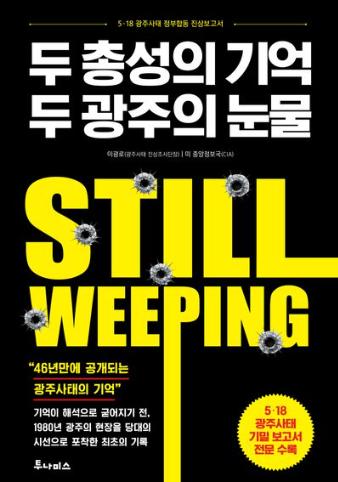 [New Book] Approaching the Truth of Gwangju… ‘The Memory of Two Gunshots, The Tears of Two Gwangjus’
For a long time, the memory of the May 18 Gwangju Democratization Movement has remained fragmented, never converging into a singular meaning. The new book, Memories of Two Gunshots, Tears of Two Gwang
[New Book] Approaching the Truth of Gwangju… ‘The Memory of Two Gunshots, The Tears of Two Gwangjus’
For a long time, the memory of the May 18 Gwangju Democratization Movement has remained fragmented, never converging into a singular meaning. The new book, Memories of Two Gunshots, Tears of Two Gwang
 [Writer Park Joo-hyun’s Column] The ‘Controversy Over Recommended Summer Reading Lists’ Caused by Blind Idolatry
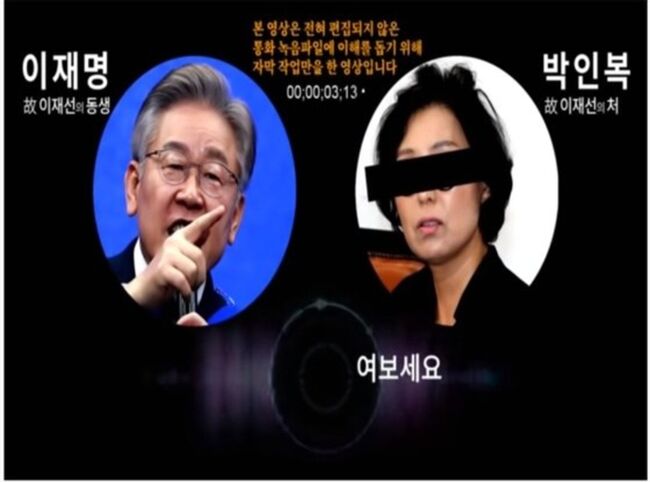
The cover of the full audio recording file of the so-called "sister-in-law profanity" call, released in 2021 by the pro-Moon Jae-in group "Awakened Citizens' Solidarity Party." [Source: Awakened Citiz
[Writer Park Joo-hyun’s Column] The ‘Controversy Over Recommended Summer Reading Lists’ Caused by Blind Idolatry
The cover of the full audio recording file of the so-called "sister-in-law profanity" call, released in 2021 by the pro-Moon Jae-in group "Awakened Citizens' Solidarity Party." [Source: Awakened Citiz
 [Photo] Evidence of Election Fraud Flooding U.S. Media… Trump Had 2.7 Million Votes Stolen
 [Video] U.S. Semiquincentennial Air Show... 'Art in the Sky' streaks across New York
 [Editorial Cartoon] A Draconian Law That Undermines Freedom of Expression

 List
List