Recently, there has been a particularly strong backlash against Chinese platform capital, such as Temu, Shein, and AliExpress, among the 2030 generation and US stock investors. [Photo=Yonhap News]
Recently, there has been a particularly strong backlash against Chinese platform capital, such as Temu, Shein, and AliExpress, among the 2030 generation and US stock investors.
The moment platforms like AliExpress, Temu, and Shein are mentioned, the reaction is immediate and collective. While some interpret this as mere "Sinophobia" or an emotional reflex, this is an oversimplification of the phenomenon. The essence of this reaction is not ideology, but calculation; it is closer to an understanding of structure than emotion.
What they object to is not price competition itself. The core issue is the rules of competition. Chinese platform capital operates under conditions of state subsidies, regulatory evasion, and the externalization of labor and environmental costs.
The 'Collapse of Fair Competition Order' Caused by Chinese Platforms
Conversely, Korean and American companies bear all sorts of regulations and costs in the same market. This is not free market competition but a systemically asymmetric game. The 2030 generation perceives this not as a "problem of cheap goods" but as a "collapse of a fair competition order."
This perception quickly expands into a matter of opportunity. What Chinese platforms are eroding is not short-term sales, but long-term entry routes.
As the ecosystem of domestic e-commerce, startups, designers, and small and medium-sized brands collapses, the possibilities for individuals to break through through their own efforts diminish. When a structure is formed where the narrative of "working hard leads to success" no longer functions, anger transforms into questions about the system.
This is also why US stock investors' reactions are even more intense. To them, Chinese platforms are not just foreign companies, but entities that directly undermine the revenue structures of US tech stocks and distribution platforms.
As data, payments, and consumption patterns shift under the influence of Chinese capital, portfolio risks become a reality. Therefore, their anti-China sentiment is closer to rational risk aversion than political conviction.
'Fairness' Becomes More Important Than Ideological Debates
The important point is that these sentiments are loosely connected to left-right ideologies. The reactions of the 2030 generation and investors are difficult to explain through the framework of pro-US/anti-US or conservative/progressive divides.
 Ali, which entered the domestic online shopping market with the weapons of fast delivery and ultra-low prices. [Photo=AliExpress]
To them, Chinese capital is not a "disliked country" but "state-intervened capital that encroaches on the market through unfair means." The core of the problem lies not in culture but in institutions; not in identity but in rules.
Politics must read this point. The moment criticism of Chinese capital is reduced to emotional nationalism, persuasion fails. However, if it is redefined as an issue of fair competition, technological sovereignty, data security, and market order, the story changes.
The 2030 generation demands structure, not slogans. The spread of anti-China sentiment is less a signal of diplomatic hostility and more a social warning to restore a fair competition order.
What is needed now is not politics that incites hatred, but policies that correct unfair structures. The reactions of the 2030 generation and investors surrounding Chinese capital are not excessive.
Rather, they are closer to questions about the operating conditions of markets and democracy. Politics that cannot answer these questions will ultimately lose the next generation.

◆ Professor Shim Kyu-jin
Assistant Professor in the Department of Digital Media at IE University in Spain. He previously served as a policy advisor for the Ministry of National Defense and director of the Data Lab at the Yoido Institute. He has also worked as a full-time professor at the University of Melbourne in Australia and an assistant professor at Singapore Management University. His books include 'K-Drama Yoon Suk-yeol' and 'Hyper Gender.'

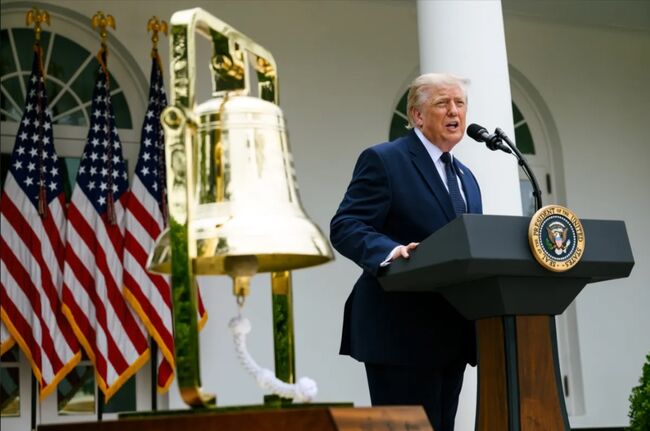 Trump pressures for rate cut again ahead of FOMC... "Should be the lowest in the world"
U.S. President Donald Trump. [Photo = The White House] U.S. President Donald Trump once again pressured the Federal Reserve, the U.S. central bank, to lower interest rates on the 27th (local time
Trump pressures for rate cut again ahead of FOMC... "Should be the lowest in the world"
U.S. President Donald Trump. [Photo = The White House] U.S. President Donald Trump once again pressured the Federal Reserve, the U.S. central bank, to lower interest rates on the 27th (local time
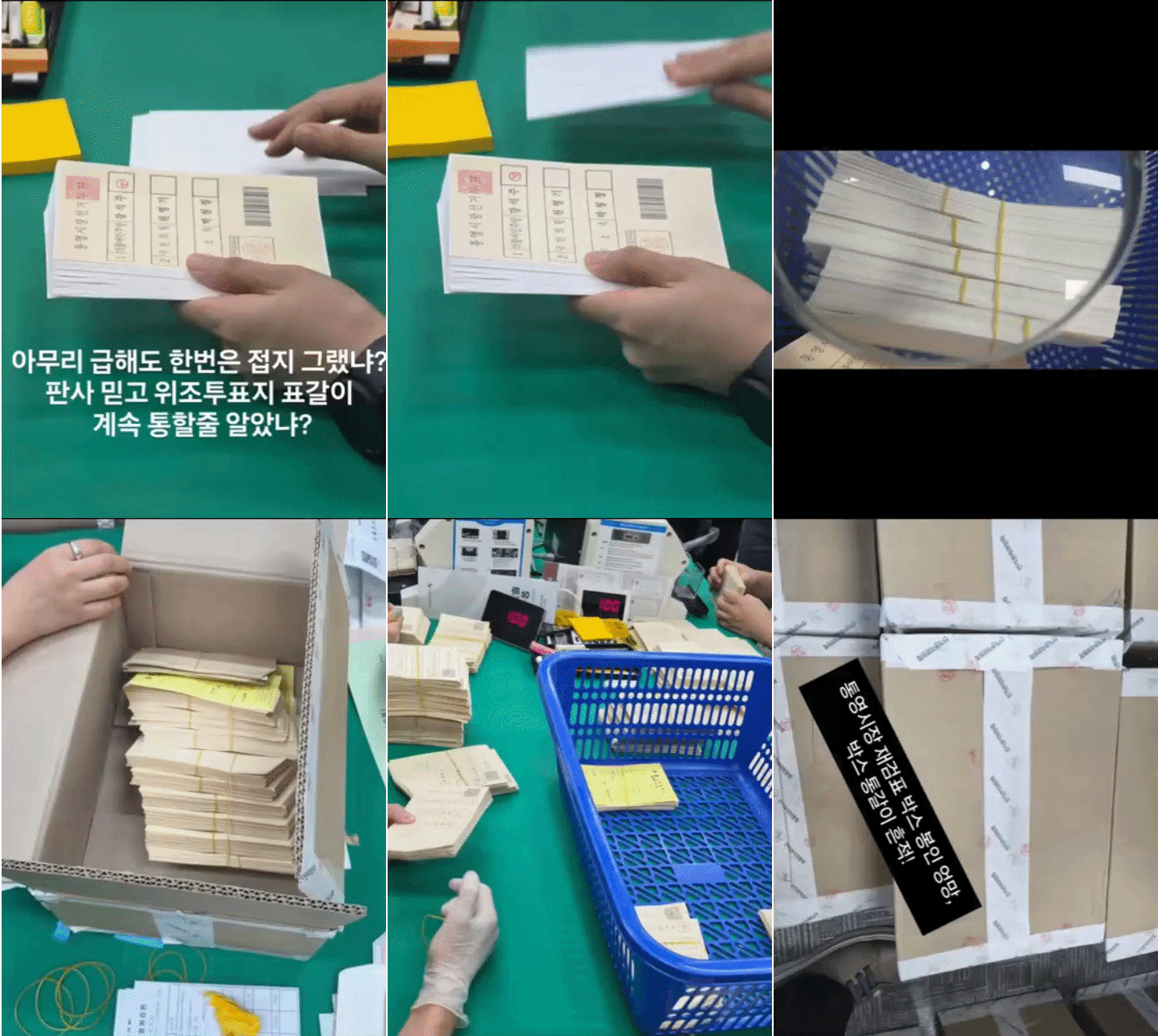 “Ignoring crisp ballots and damaged seals”… Tongyeong mayoral recount concludes with ‘no change in outcome,’ leaving suspicions and public outrage behind
Suspected counterfeit ballots discovered in Tongyeong [GIF from social media of Representative Hwang Kyo-ahn / Attorney Park Joo-hyun]During a recount of the Tongyeong mayoral election in South Gyeong
“Ignoring crisp ballots and damaged seals”… Tongyeong mayoral recount concludes with ‘no change in outcome,’ leaving suspicions and public outrage behind
Suspected counterfeit ballots discovered in Tongyeong [GIF from social media of Representative Hwang Kyo-ahn / Attorney Park Joo-hyun]During a recount of the Tongyeong mayoral election in South Gyeong
 President Yoon, regarding the first-instance ruling on the Public Official Election Act: “An excessive political verdict that distorts the facts… We will appeal immediately.”
The first-instance sentencing hearing for President Yoon Suk Yeol regarding violations of the Public Official Election Act is being broadcast live at Seoul Station on the 27th. [Photo=Yonhap News]Pres
President Yoon, regarding the first-instance ruling on the Public Official Election Act: “An excessive political verdict that distorts the facts… We will appeal immediately.”
The first-instance sentencing hearing for President Yoon Suk Yeol regarding violations of the Public Official Election Act is being broadcast live at Seoul Station on the 27th. [Photo=Yonhap News]Pres
 WSJ: "SK Hynix ADR Premium Is a Sign of AI Trading Overheat"
Advertisement for SK Hynix ADR listing in New York's Times Square [Reuters=Yonhap News file photo]The Wall Street Journal (WSJ) has pointed out that the price of SK Hynix’s American Depositary Recei
WSJ: "SK Hynix ADR Premium Is a Sign of AI Trading Overheat"
Advertisement for SK Hynix ADR listing in New York's Times Square [Reuters=Yonhap News file photo]The Wall Street Journal (WSJ) has pointed out that the price of SK Hynix’s American Depositary Recei
 'Godfather of Japanese Mystery Novels' Keigo Higashino Passes Away After Battle with Cancer at 68
Famous Japanese mystery novelist Keigo Higashino [AFP=Yonhap News]It has been belatedly reported that Keigo Higashino, the "godfather of Japanese mystery novels" and author of bestsellers such as "The
'Godfather of Japanese Mystery Novels' Keigo Higashino Passes Away After Battle with Cancer at 68
Famous Japanese mystery novelist Keigo Higashino [AFP=Yonhap News]It has been belatedly reported that Keigo Higashino, the "godfather of Japanese mystery novels" and author of bestsellers such as "The
 [Park Pil-kyu Security Column] To the Ignorant Trying to Clothe a Beast in Sheep's Clothing
Rep. Kim Byung-joo of the Democratic Party of Korea [Photo=Yonhap News]“The Air Force Academy doesn't teach you how to fly a plane!” “The Army, Navy, and Air Force academies are exactly the
[Park Pil-kyu Security Column] To the Ignorant Trying to Clothe a Beast in Sheep's Clothing
Rep. Kim Byung-joo of the Democratic Party of Korea [Photo=Yonhap News]“The Air Force Academy doesn't teach you how to fly a plane!” “The Army, Navy, and Air Force academies are exactly the
 [Issue Diagnosis] Two Effects of the Election Petition Review
 [Photo] Evidence of Election Fraud Flooding U.S. Media… Trump Had 2.7 Million Votes Stolen
 [Video] U.S. Semiquincentennial Air Show... 'Art in the Sky' streaks across New York
 [Editorial Cartoon] A Draconian Law That Undermines Freedom of Expression

 List
List