 This Lunar New Year, let's prepare a healthy meal rich in vitamins, protein, and dietary fiber.
While the Lunar New Year holiday is a joyous time for families to gather, share good food, and engage in lively conversation, neglecting meal management can lead to critical health issues like blood sugar spikes.
A blood sugar spike is a phenomenon where blood sugar levels rapidly rise and then fall after a meal. It is a major culprit in damaging blood vessels by increasing oxidative stress in the blood. When blood vessels are damaged, low-density cholesterol surrounds the damaged areas, leading to atherosclerosis, hypertension, cardiovascular diseases, and cerebrovascular diseases.
Furthermore, when blood sugar levels rise sharply, the pancreas secretes insulin all at once to lower them. If this process is repeated, insulin resistance occurs, where insulin's function declines, potentially leading to diabetes.
Common symptoms of blood sugar spikes include post-meal sleepiness, dizziness, and false hunger. If you frequently feel sleepy after meals or crave sweet foods like desserts, consider it a warning sign and improve your eating habits.
Even those who usually manage their health well can become complacent during the Lunar New Year. To prepare for blood sugar spikes this holiday, you should implement: ① carbohydrate-restricted meals, ② the reverse eating method, ③ consumption of plant-based fats, and ④ exercise.
In the past, Lunar New Year was a day for common people to "eat well after a long time." That is, it was a day to supplement deficient carbohydrates, so meals were rich in carbohydrate-heavy foods such as rice, rice cakes, tteokguk, sikhye, and japchae.
Times have changed, so let's now replace these carbohydrate-rich foods in our Lunar New Year meals with salads, namul (seasoned vegetables), suyuk (boiled pork slices), and multigrain rice, which are rich in vitamins, protein, and dietary fiber.
While galbijjim (braised short ribs) is a protein-rich dish, its sauce contains a lot of sugar. Therefore, substituting meat dishes with suyuk is one way to prevent blood sugar spikes.
It is also beneficial to practice the "reverse eating method," starting with fiber-rich salads, followed by meat, and then multigrain rice. This is because filling your stomach with dietary fiber first can help prevent blood sugar from rising.
For a palate cleanser, instead of sweet sujeonggwa (cinnamon punch), rice cakes, fruits, or mixed coffee, try pairing nuts, which are rich in plant-based fats and dietary fiber, with green tea or americano. This can help prevent a rapid rise in blood sugar. If you eat fruit, consume only one or two slices, and spreading peanut butter on them can slow down sugar absorption.
In addition, a light walk with family 15 minutes after a meal can greatly help prevent blood sugar spikes.
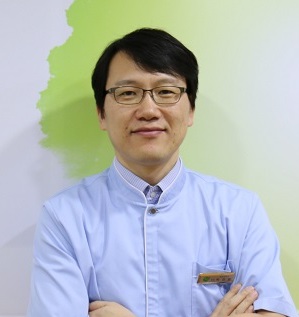
◆ Director Park Chan-young
Director of Eoseongcho Korean Medicine Clinic in Sadang-dong, Seoul. Doctor of Korean Medicine from Dongguk University. He sparked a detox sensation in Korea by appearing on TV health programs such as MBN's "The Master of the Thumb." His books include "Treating Atopic Dermatitis and Acne with Eoseongcho," "Seasoning is Medicine," and "The Miracle of Detoxification."

 Trump pressures for rate cut again ahead of FOMC... "Should be the lowest in the world"
U.S. President Donald Trump. [Photo = The White House] U.S. President Donald Trump once again pressured the Federal Reserve, the U.S. central bank, to lower interest rates on the 27th (local time
Trump pressures for rate cut again ahead of FOMC... "Should be the lowest in the world"
U.S. President Donald Trump. [Photo = The White House] U.S. President Donald Trump once again pressured the Federal Reserve, the U.S. central bank, to lower interest rates on the 27th (local time
 “Ignoring crisp ballots and damaged seals”… Tongyeong mayoral recount concludes with ‘no change in outcome,’ leaving suspicions and public outrage behind
Suspected counterfeit ballots discovered in Tongyeong [GIF from social media of Representative Hwang Kyo-ahn / Attorney Park Joo-hyun]During a recount of the Tongyeong mayoral election in South Gyeong
“Ignoring crisp ballots and damaged seals”… Tongyeong mayoral recount concludes with ‘no change in outcome,’ leaving suspicions and public outrage behind
Suspected counterfeit ballots discovered in Tongyeong [GIF from social media of Representative Hwang Kyo-ahn / Attorney Park Joo-hyun]During a recount of the Tongyeong mayoral election in South Gyeong
 President Yoon, regarding the first-instance ruling on the Public Official Election Act: “An excessive political verdict that distorts the facts… We will appeal immediately.”
The first-instance sentencing hearing for President Yoon Suk Yeol regarding violations of the Public Official Election Act is being broadcast live at Seoul Station on the 27th. [Photo=Yonhap News]Pres
President Yoon, regarding the first-instance ruling on the Public Official Election Act: “An excessive political verdict that distorts the facts… We will appeal immediately.”
The first-instance sentencing hearing for President Yoon Suk Yeol regarding violations of the Public Official Election Act is being broadcast live at Seoul Station on the 27th. [Photo=Yonhap News]Pres
 WSJ: "SK Hynix ADR Premium Is a Sign of AI Trading Overheat"
Advertisement for SK Hynix ADR listing in New York's Times Square [Reuters=Yonhap News file photo]The Wall Street Journal (WSJ) has pointed out that the price of SK Hynix’s American Depositary Recei
WSJ: "SK Hynix ADR Premium Is a Sign of AI Trading Overheat"
Advertisement for SK Hynix ADR listing in New York's Times Square [Reuters=Yonhap News file photo]The Wall Street Journal (WSJ) has pointed out that the price of SK Hynix’s American Depositary Recei
 'Godfather of Japanese Mystery Novels' Keigo Higashino Passes Away After Battle with Cancer at 68
Famous Japanese mystery novelist Keigo Higashino [AFP=Yonhap News]It has been belatedly reported that Keigo Higashino, the "godfather of Japanese mystery novels" and author of bestsellers such as "The
'Godfather of Japanese Mystery Novels' Keigo Higashino Passes Away After Battle with Cancer at 68
Famous Japanese mystery novelist Keigo Higashino [AFP=Yonhap News]It has been belatedly reported that Keigo Higashino, the "godfather of Japanese mystery novels" and author of bestsellers such as "The
 [Park Pil-kyu Security Column] To the Ignorant Trying to Clothe a Beast in Sheep's Clothing
Rep. Kim Byung-joo of the Democratic Party of Korea [Photo=Yonhap News]“The Air Force Academy doesn't teach you how to fly a plane!” “The Army, Navy, and Air Force academies are exactly the
[Park Pil-kyu Security Column] To the Ignorant Trying to Clothe a Beast in Sheep's Clothing
Rep. Kim Byung-joo of the Democratic Party of Korea [Photo=Yonhap News]“The Air Force Academy doesn't teach you how to fly a plane!” “The Army, Navy, and Air Force academies are exactly the
 [Issue Diagnosis] Two Effects of the Election Petition Review
 [Photo] Evidence of Election Fraud Flooding U.S. Media… Trump Had 2.7 Million Votes Stolen
 [Video] U.S. Semiquincentennial Air Show... 'Art in the Sky' streaks across New York
 [Editorial Cartoon] A Draconian Law That Undermines Freedom of Expression

 List
List









