The Donald Trump administration has intensified its pressure on Cuba by tightening economic sanctions on the socialist nation's industries and expanding the scope of laws that prohibit Americans visiting Cuba from engaging in transactions with state-owned or government-affiliated enterprises.
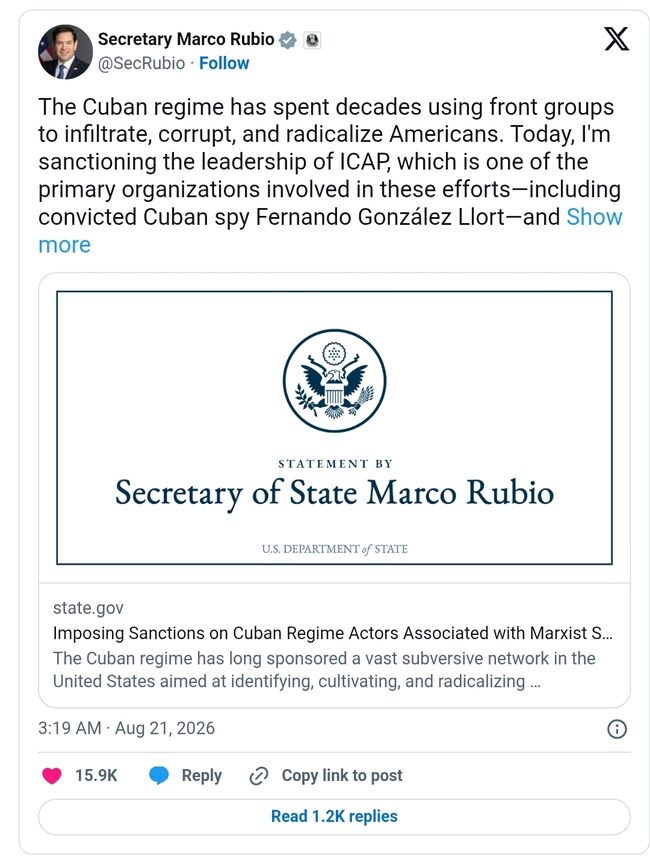
On Thursday, the 20th, the Treasury and State Departments announced new sanctions targeting 10 state-owned mining, metal, and construction companies, as well as the leadership of the Cuban Institute of Friendship with the Peoples (ICAP).
Secretary of State Marco Rubio stated that the institute is responsible for sponsoring a "vast subversion network within the United States aimed at identifying, co-opting, and radicalizing" Americans.
In a statement obtained by the AP prior to the official announcement, Secretary Rubio said, "Just a few days ago, the regime attempted to breathe new life into this subversive network under the pretext of the 100th birthday of communist icon and dictator Fidel Castro, and transported a new group of international supporters to Havana to forge ties with regime officials."
Secretary Rubio declared, "The Trump administration will not stand idly by as a hostile foreign power—as part of its raison d'être to export Marxism, racial grievances, and communist violence globally—attempts to abuse our freedoms, which are not afforded to the regime's own citizens, by misleading and corrupting U.S. citizens through lies, espionage, and other illicit activities."
Previously, on July 20, the State Department announced that the Cuban government had used institutions related to intelligence and counter-espionage, such as ICAP, to build a sophisticated network of influence within the United States.
Even while embroiled in tensions with Iran, the Trump Republican administration has steadily increased pressure on Havana, threatening potential military intervention while simultaneously tightening economic sanctions to cut off the Cuban government's funding sources.
Following a U.S. military airstrike that ousted Venezuelan leader Nicolás Maduro, who had been providing free oil to Cuba, the oil blockade imposed by the U.S. has plunged the already economically devastated island nation into a full-blown crisis.
Currently, Cuba is in a state of economic and political emergency, teetering on the brink of national collapse due to severe U.S. energy blockades and economic sanctions that have left the country depleted of electricity, food, and fuel.
Dependent on imports for more than 80% of its daily necessities, Cuba's supply chains have been severed due to a lack of foreign currency. It is reported that approximately 40% of the population faces food insecurity, and one in four citizens goes without dinner.
The lack of fuel has led to airport closures and grounded flights, while garbage trucks remain idle, leaving trash to pile up on city streets, causing foul odors and the disruption of water supplies, further exacerbating the population's suffering.
Recently, the combination of extreme U.S. energy blockades and a severe heatwave has pushed Cuba beyond administrative paralysis to the verge of a social explosion. The suffering of local residents is reported to be at a catastrophic level due to the U.S. "regime change" pressure and the subsequent collapse of power, healthcare, and social systems.
Following a nationwide blackout in early July that plunged the entire island into darkness, a second total blackout occurred on August 2, causing the power grid to collapse repeatedly. Even in the capital, Havana, electricity is supplied for only 3 to 4 hours a day, while rural provinces have experienced continuous power outages lasting over 70 hours.
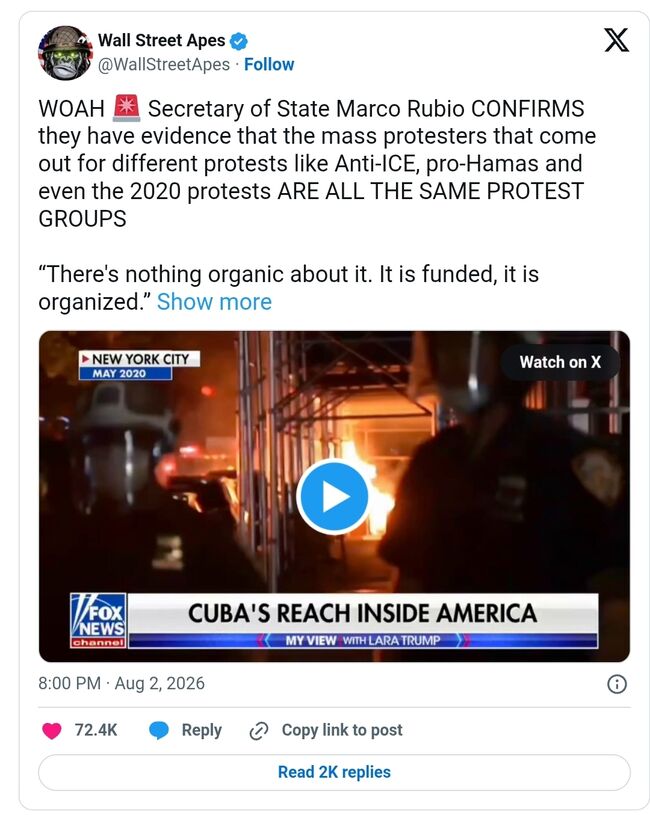
According to the Cuban Conflict Observatory (OCC), a record-high 1,415 anti-government protests were recorded throughout the month of July, both online and offline. Despite heavy surveillance, 72 street demonstrations broke out. Citizens have been expressing their outrage through "cacerolazo" protests—banging pots in the streets—and by setting fire to trash piles to block roads.
The Cuban government has deployed the "Avispas Negras" (Black Wasps), a heavily armed special forces unit of the Ministry of the Interior, to the front lines to brutally suppress protesters, leading to a more than 40% increase in reports of human rights violations compared to the previous month.
Unable to overcome the extreme fuel shortage, the Cuban government has allowed foreign investment in the energy sector for the first time, ending decades of state monopoly. As of the end of July, it had approved wholesale fuel distribution rights for approximately 200 private companies.
The New York Times reported that the Cuban Foreign Ministry is sending a desperate message that to attract foreign currency, they are "willing to accept even investment from President Donald Trump or the Trump Organization (such as luxury resorts) if it complies with Cuban law."
U.S. NNP = Representative Editor Hong Sung-goo / Special Dispatch NNP info@newsandpost.com

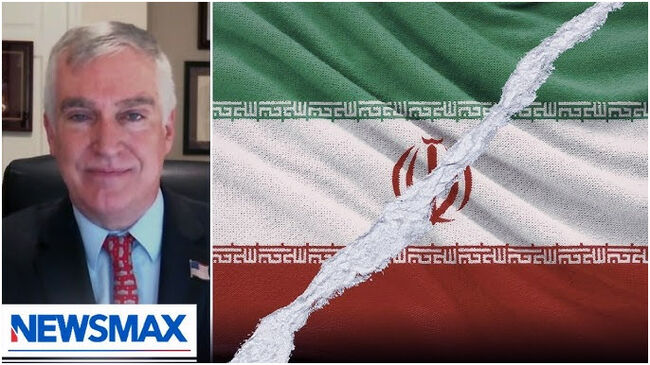 Flights: Iran "Will Begin to Collapse Within 30 to 60 Days"
Fred Fleitz, a former national security official in the Donald Trump administration, said Thursday that the Iranian government could collapse within weeks under the pressure of new U.S. sanctions, as
Flights: Iran "Will Begin to Collapse Within 30 to 60 Days"
Fred Fleitz, a former national security official in the Donald Trump administration, said Thursday that the Iranian government could collapse within weeks under the pressure of new U.S. sanctions, as
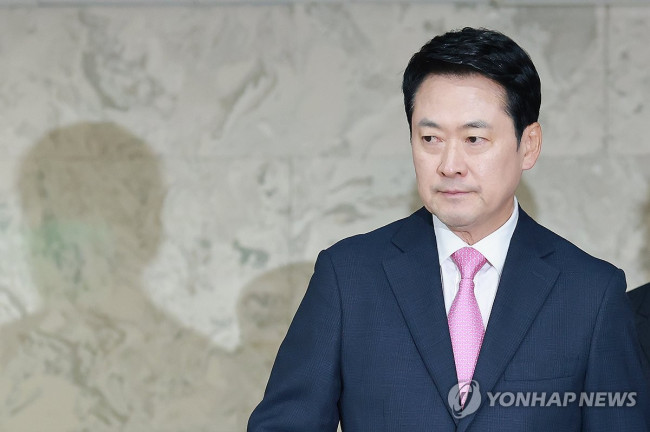 People Power Party slams ruling party's push for "Cho Hee-dae's resignation," calling it "judicial abuse rhetoric and kangaroo court proceedings"
People Power Party Representative Jang Dong-hyeok attending a forum evaluating the second year of the Lee Jae-myung administration [Seoul=Yonhap News]On the 21st, the People Power Party once again cri
People Power Party slams ruling party's push for "Cho Hee-dae's resignation," calling it "judicial abuse rhetoric and kangaroo court proceedings"
People Power Party Representative Jang Dong-hyeok attending a forum evaluating the second year of the Lee Jae-myung administration [Seoul=Yonhap News]On the 21st, the People Power Party once again cri
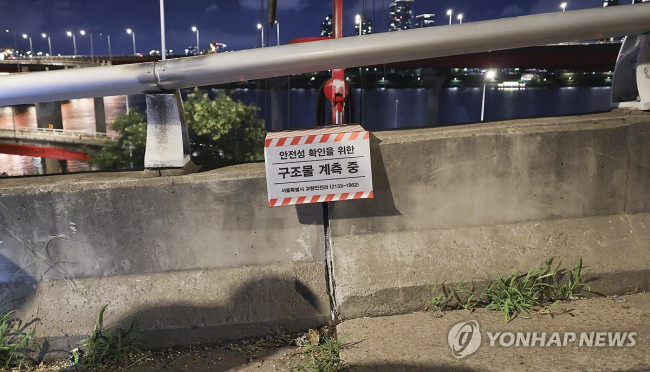 Seoul Metropolitan Government: "Conclusion Reached That Seongsu Bridge Height Difference Poses No Safety Risk... Preemptive Reinforcement Measures to Be Taken"
Monitoring notice board installed on the Seongsu Bridge ramp where a "step difference" occurred. A monitoring-related notice board was installed on the B-ramp at the southern end of Seongsu Bridge in
Seoul Metropolitan Government: "Conclusion Reached That Seongsu Bridge Height Difference Poses No Safety Risk... Preemptive Reinforcement Measures to Be Taken"
Monitoring notice board installed on the Seongsu Bridge ramp where a "step difference" occurred. A monitoring-related notice board was installed on the B-ramp at the southern end of Seongsu Bridge in
 Hyundai Motor Union stages first full-scale strike in 10 years… All plants 'come to a halt'
The Hyundai Motor Company labor union (Hyundai Motor branch of the Korean Metal Workers' Union) launched a full-scale strike on the 21st due to difficulties in this year's wage negotiations.This marks
Hyundai Motor Union stages first full-scale strike in 10 years… All plants 'come to a halt'
The Hyundai Motor Company labor union (Hyundai Motor branch of the Korean Metal Workers' Union) launched a full-scale strike on the 21st due to difficulties in this year's wage negotiations.This marks
 [Park Myung-mi's Kyushu Travel] ② Kaiseki Cuisine, Eating a Garden in a Bowl
When you first encounter kaiseki cuisine, it can feel like playing house. The dishes are small, yet there are so many of them. When I first came to Japan, the food that truly moved me was a cours
[Park Myung-mi's Kyushu Travel] ② Kaiseki Cuisine, Eating a Garden in a Bowl
When you first encounter kaiseki cuisine, it can feel like playing house. The dishes are small, yet there are so many of them. When I first came to Japan, the food that truly moved me was a cours
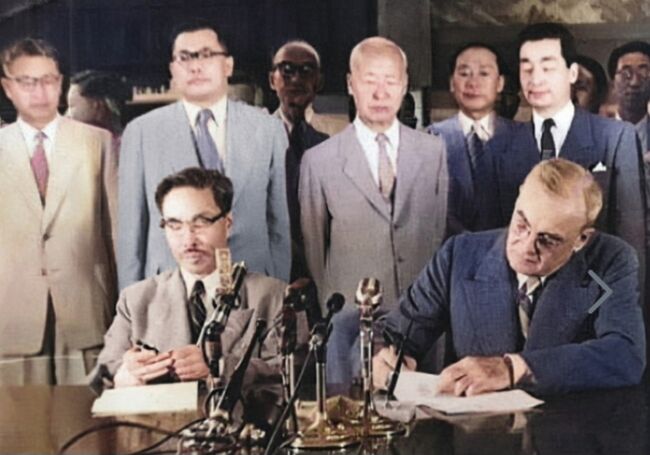 [Shin Dong-chun Column] The History of Korea-U.S. Relations and the ROK-U.S. Alliance
The 1954 signing ceremony of the Mutual Defense Treaty Between the United States and the Republic of Korea. A moment when President Syngman Rhee’s perseverance bore fruit.1. The Encounter and Genesi
[Shin Dong-chun Column] The History of Korea-U.S. Relations and the ROK-U.S. Alliance
The 1954 signing ceremony of the Mutual Defense Treaty Between the United States and the Republic of Korea. A moment when President Syngman Rhee’s perseverance bore fruit.1. The Encounter and Genesi
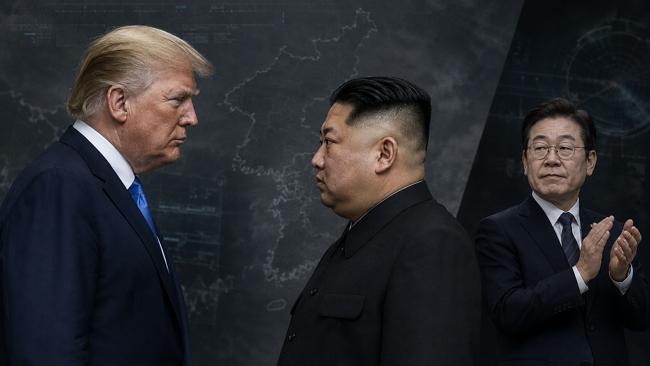 [Outlook] Trump’s Fury Explodes… Fires a Direct Shot at Lee Jae-myung
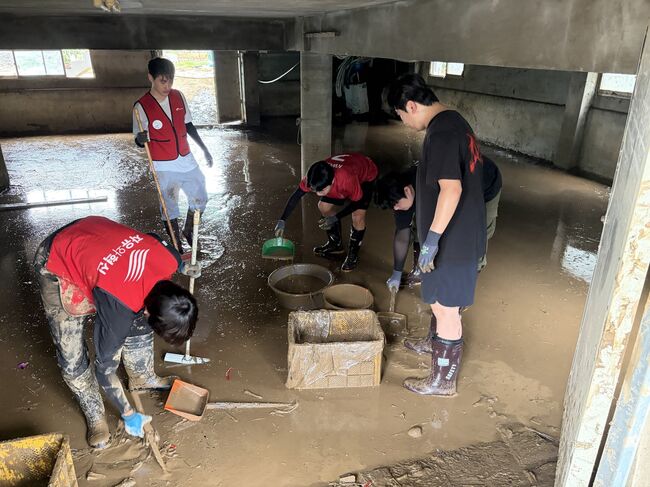 [Photo] Liberty and Innovation Geoje Flood Recovery Support
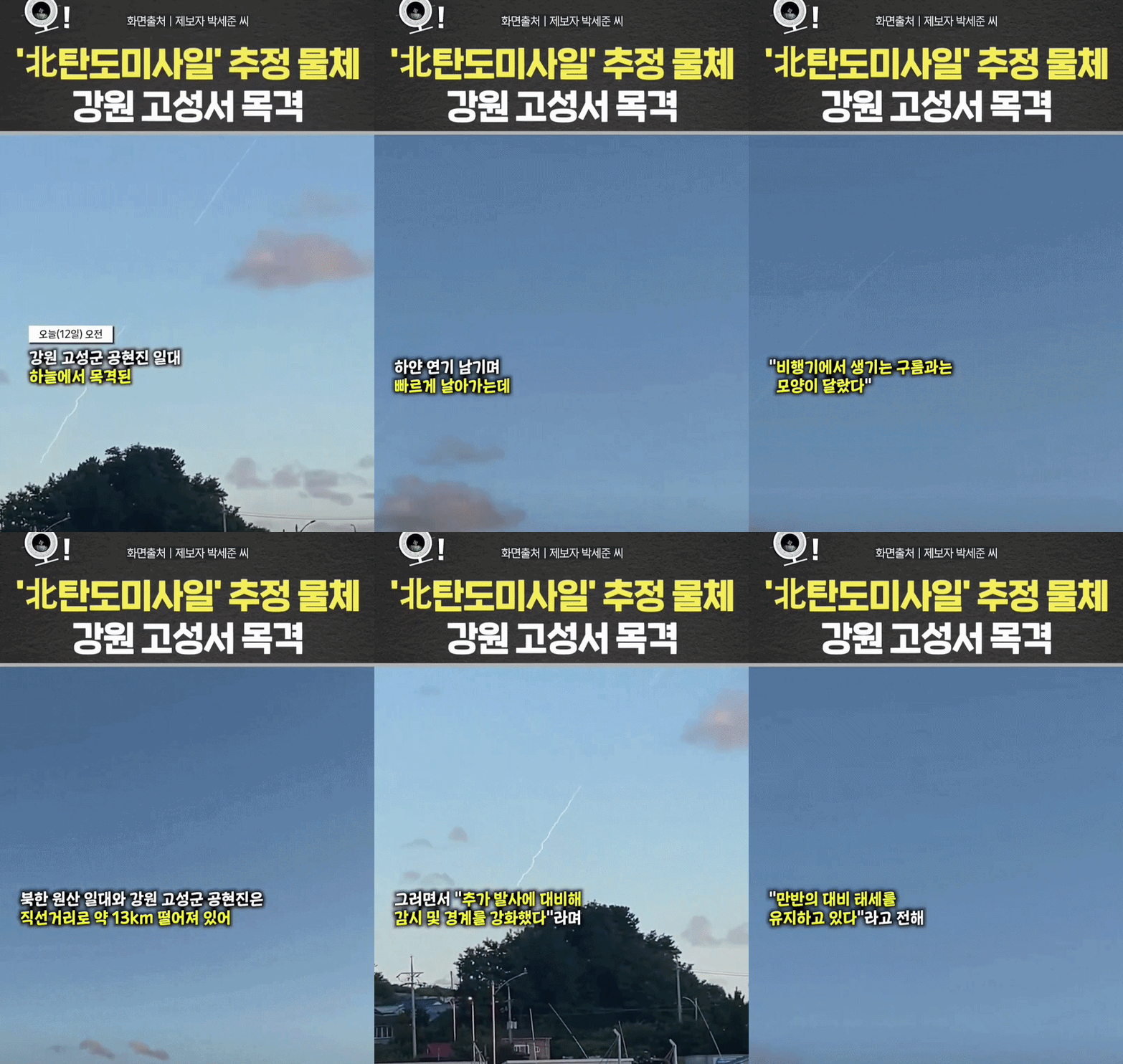 [Video] North Korean ballistic missile filmed by a civilian in Goseong, Gangwon-do
 [Editorial Cartoon] A Draconian Law That Undermines Freedom of Expression

 List
List