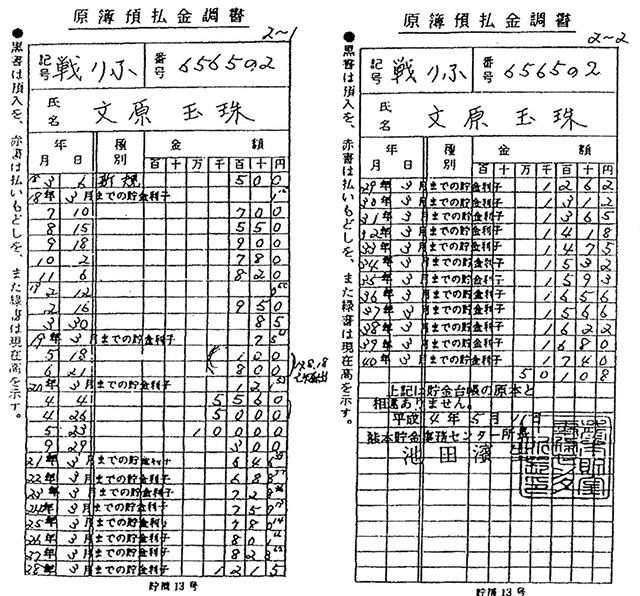
 Postal Savings Ledger of Moon Ok-ju
Records of approximately 26,000 yen in military postal savings remain for Moon Ok-ju, who served as a "comfort woman" in Burma (present-day Myanmar). Looking at the number alone may not provide a clear sense of its value. However, comparing it to the income of Japanese people at the time reveals the true scale of this sum.
In the early 1940s, the monthly salary of an average Japanese salaried worker was generally in the range of several dozen yen. The monthly pay for an Imperial Japanese Army private (second class) was about 6 yen, a private (first class) about 9 yen, and a corporal about 10 yen. For officers, a second lieutenant earned about 70 yen, a first lieutenant about 85 yen, and a captain about 110 yen.
Comparing Moon Ok-ju’s 26,000 yen to these salaries, the figure becomes clear: it is equivalent to approximately 4,300 months—or 360 years—of a private’s salary. Even when compared to a second lieutenant’s salary, it represents about 31 years of earnings, and about 20 years when compared to a captain’s salary.
The comparison is similar when measured against an ordinary office worker. If we assume a monthly salary of 50 yen, the total represents 520 months, or about 43 years of wages. One would have to save every penny for over 40 years to nominally reach 26,000 yen.
U.S. military records also shed light on the nature of this money. The U.S. military document "Japanese Prisoner of War Interrogation Report No. 49," dated October 1, 1944, surveyed 20 Korean comfort women captured in Myitkyina.
This document records that the total monthly income of these women reached several hundred yen in some cases, and up to about 1,500 yen in higher-earning instances. The structure involved paying a certain percentage to the establishment owner, with the rest kept by the women themselves.
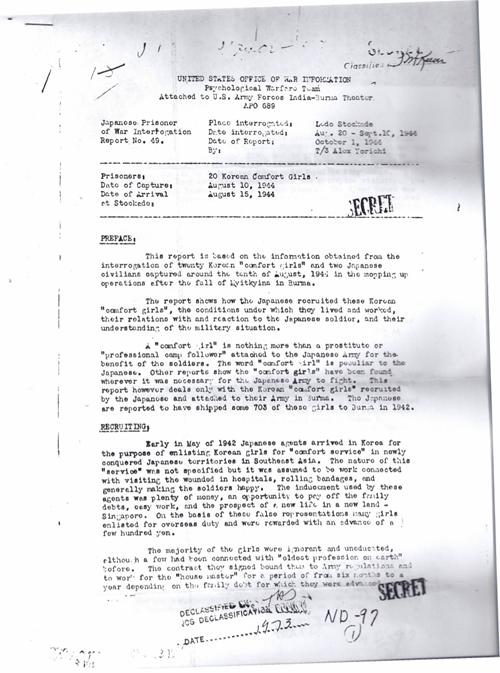 Page 1 of the U.S. Military ‘Japanese Prisoner of War Interrogation Report No. 49,’ dated October 1, 1944
The fees for "comfort stations" at the time are also recorded: 1.50 yen for regular soldiers, 3 yen for non-commissioned officers, 5 yen for officers, and 20 yen for an officer’s overnight stay. In other words, based on a private’s monthly salary of about 6 yen, a regular soldier would exhaust his entire monthly pay after just four visits to a comfort station. The 20-yen fee for an officer’s overnight stay was equivalent to more than three months of a private’s salary.
Using this as a benchmark, let us look at Moon Ok-ju’s 26,000 yen again.
Divided by the 1.50 yen fee for a regular soldier, it equals about 17,300 visits; calculated at the 5 yen rate for officers, it equals 5,200 visits; and even at the 20 yen rate for an officer’s overnight stay, it equals 1,300 visits.
At the time in Japan, the standard deposit limit for postal savings was 5,000 yen. Moon Ok-ju’s cumulative savings of approximately 26,000 yen exceeded this limit by more than five times. This alone demonstrates that the nominal amount itself was far from ordinary.
The reason the military postal savings of Moon Ok-ju, a "comfort woman," receive such attention is that they provide tangible financial records, rather than relying solely on oral testimony.
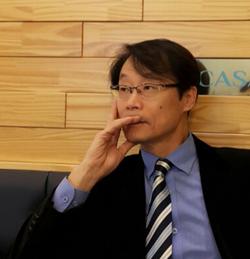
◆ Songsan Jung Kwang-je
A poet and researcher of history and philosophy. Former board member of the Rhee Syngman Institute. He currently serves as a research advisor for the Korea Modern and Contemporary History Research Association and as the representative of the philosophy forum Lyceum. He has published four volumes of poetry, co-translated "Heroes of Hill Hook," and authored humanities books including "Joseon Turned into Myth," "Humanities on Tatami," and "A Liberal’s Reading of Gramsci."

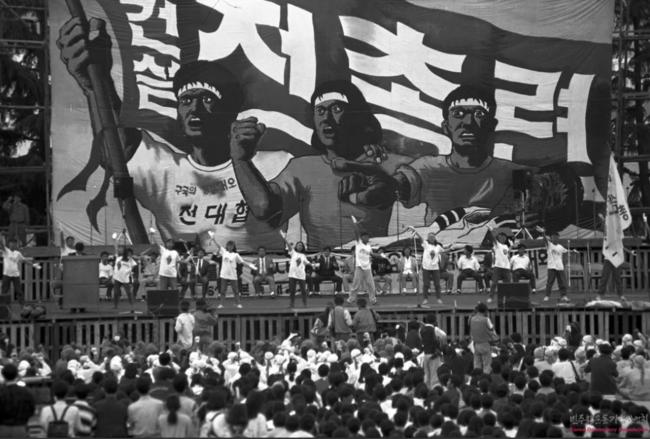 [Songsan Column | An 80-Year History of the Pro-North Left] ㉞ The Persistence of the Juche-Faction in 1990s Universities
Inauguration Ceremony of the 5th Jeondaehyop in 1991 By the 1990s, the university campus was no longer a place where massive protests erupted daily and the streets were filled with shouts, as was
[Songsan Column | An 80-Year History of the Pro-North Left] ㉞ The Persistence of the Juche-Faction in 1990s Universities
Inauguration Ceremony of the 5th Jeondaehyop in 1991 By the 1990s, the university campus was no longer a place where massive protests erupted daily and the streets were filled with shouts, as was
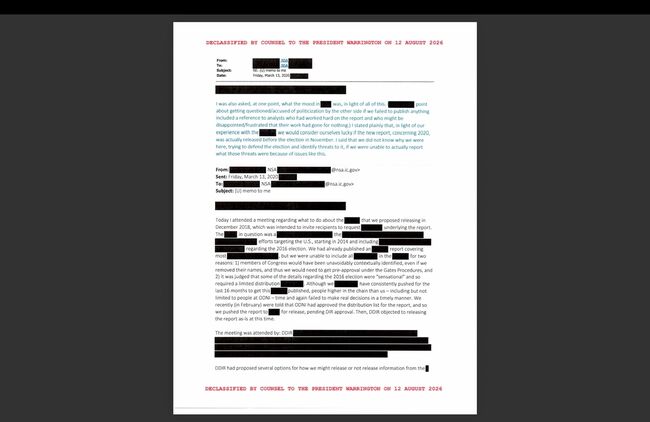 “'China’s Interference in U.S. Presidential Election': 16 Months of Reports to Trump Ignored”
Declassified documents from the U.S. National Security Agency (NSA) released by the White House Government Transparency Task Force on the 18th (local time). They contain emails among intelligence agen
“'China’s Interference in U.S. Presidential Election': 16 Months of Reports to Trump Ignored”
Declassified documents from the U.S. National Security Agency (NSA) released by the White House Government Transparency Task Force on the 18th (local time). They contain emails among intelligence agen
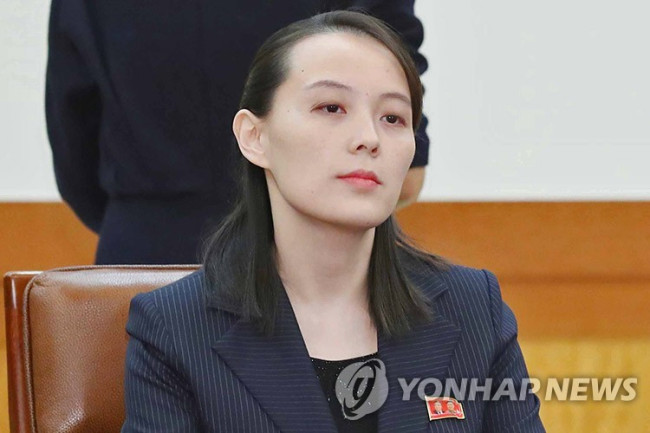 [Comprehensive] Kim Yo-jong: "Seoul’s Pitiful Plight Now That It Cannot Play War Games"… Mockery and Vitriol
Kim Yo-jong, Vice Department Director of the Workers' Party of Korea [Yonhap News] Kim Yo-jong, Vice Department Director of the Workers' Party of Korea and sister of North Korean leader Kim Jong-
[Comprehensive] Kim Yo-jong: "Seoul’s Pitiful Plight Now That It Cannot Play War Games"… Mockery and Vitriol
Kim Yo-jong, Vice Department Director of the Workers' Party of Korea [Yonhap News] Kim Yo-jong, Vice Department Director of the Workers' Party of Korea and sister of North Korean leader Kim Jong-
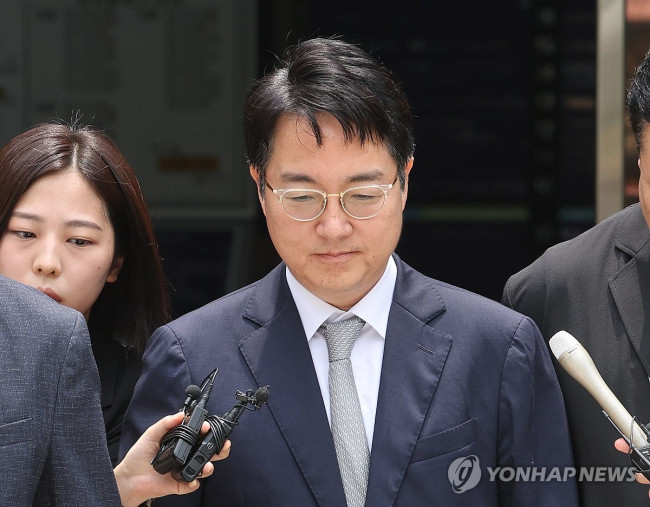 Shim Woo-jung indicted without detention for 'insurrection involvement'... Shim protests, claiming "disregard for evidence and legal principles"
Former Prosecutor General Sim Woo-jung [Yonhap News file photo]Former Prosecutor General Sim Woo-jung has been indicted on charges of participating in the December 3rd martial law insurrection and abu
Shim Woo-jung indicted without detention for 'insurrection involvement'... Shim protests, claiming "disregard for evidence and legal principles"
Former Prosecutor General Sim Woo-jung [Yonhap News file photo]Former Prosecutor General Sim Woo-jung has been indicted on charges of participating in the December 3rd martial law insurrection and abu
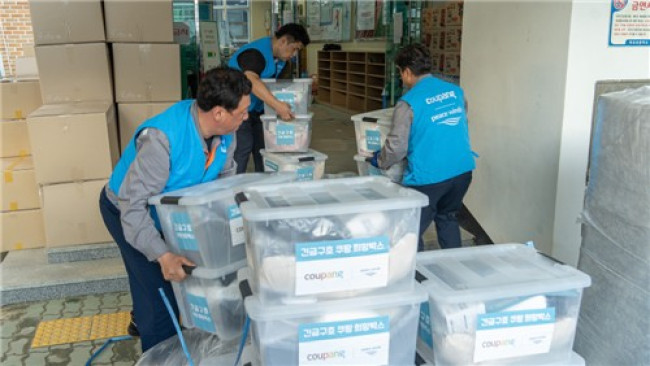 Coupang Donates 200 'Hope Boxes' to Flood Victims in Geoje
Support of 200 'Hope Boxes' [Courtesy of Coupang]Coupang announced on the 20th that it has provided 200 sets of 'Emergency Relief Coupang Hope Boxes' to Geoje, Gyeongsangnam-do.The previous day, Coupa
Coupang Donates 200 'Hope Boxes' to Flood Victims in Geoje
Support of 200 'Hope Boxes' [Courtesy of Coupang]Coupang announced on the 20th that it has provided 200 sets of 'Emergency Relief Coupang Hope Boxes' to Geoje, Gyeongsangnam-do.The previous day, Coupa
 [Park Myung-mi's Kyushu Travel] ② Kaiseki Cuisine, Eating a Garden in a Bowl
When you first encounter kaiseki cuisine, it can feel like playing house. The dishes are small, yet there are so many of them. When I first came to Japan, the food that truly moved me was a cours
[Park Myung-mi's Kyushu Travel] ② Kaiseki Cuisine, Eating a Garden in a Bowl
When you first encounter kaiseki cuisine, it can feel like playing house. The dishes are small, yet there are so many of them. When I first came to Japan, the food that truly moved me was a cours
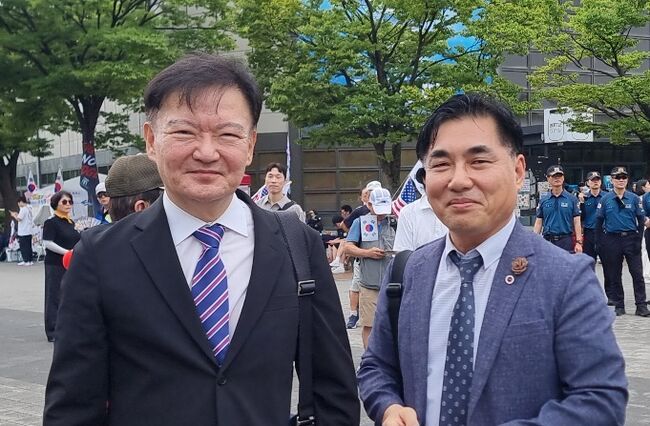 [Photo] Rep. Min Kyung-wook visits Olympic Park... "Restoring my honor after 6 years of being called a nutjob"
Min Kyung-wook, the person who ignited the movement to investigate election fraud. The sacrifice and courage of former National Assembly member Min Kyung-wook were instrumental in the creation of toda
[Photo] Rep. Min Kyung-wook visits Olympic Park... "Restoring my honor after 6 years of being called a nutjob"
Min Kyung-wook, the person who ignited the movement to investigate election fraud. The sacrifice and courage of former National Assembly member Min Kyung-wook were instrumental in the creation of toda
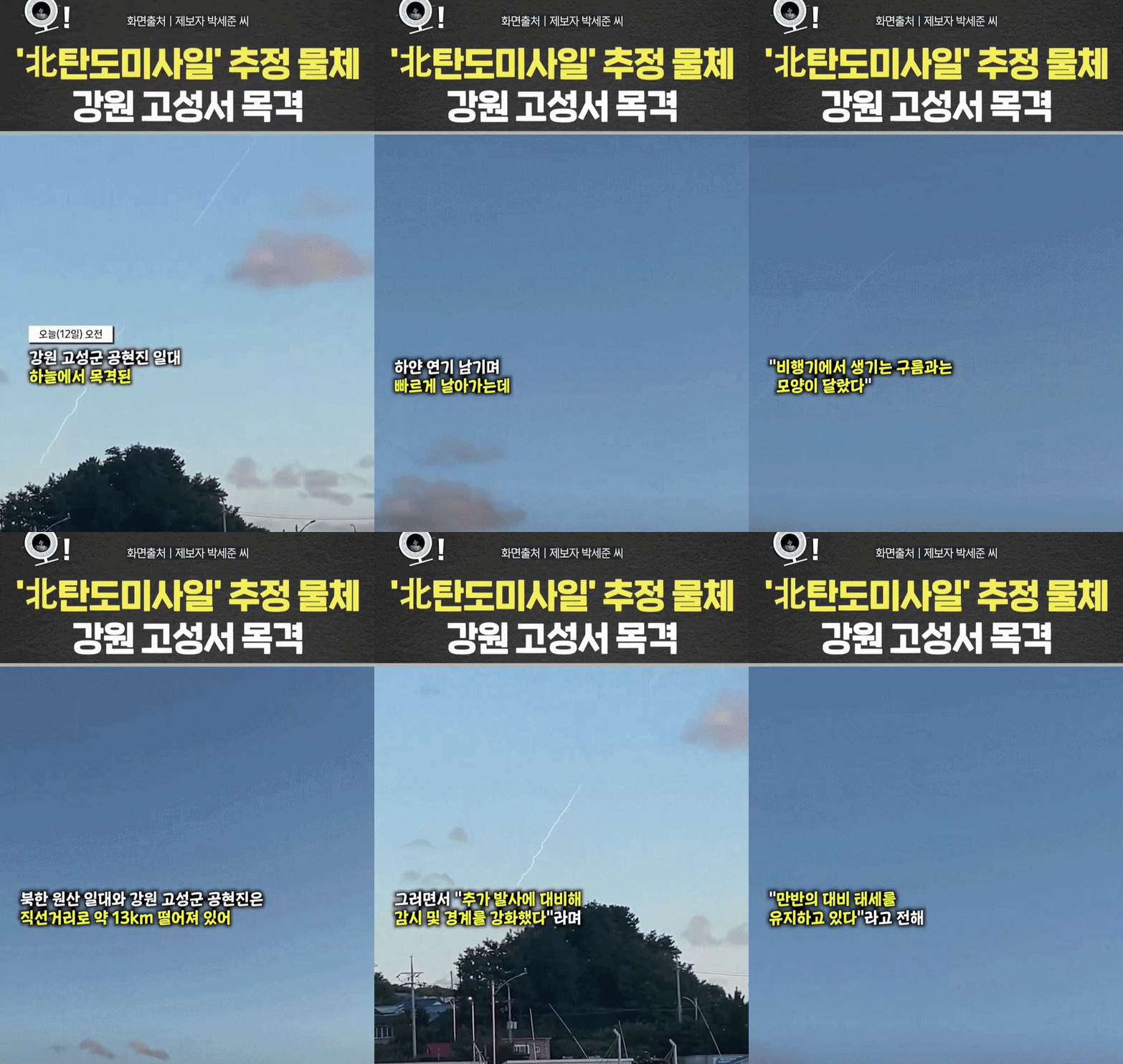 [Video] North Korean ballistic missile filmed by a civilian in Goseong, Gangwon-do
 [Editorial Cartoon] A Draconian Law That Undermines Freedom of Expression

 List
List