When you first encounter kaiseki cuisine, it can feel like playing house. The dishes are small, yet there are so many of them.
When I first came to Japan, the food that truly moved me was a course meal called "kaiseki." In the center of an ornate dish sat a portion of food no bigger than a finger. It barely filled one-fifth of the plate; the rest was empty space.
Although the portion was small enough to be finished in a single bite, it was incredibly delicious and exquisitely presented. From the beginning of the meal to the end, it felt as though I were unfolding a series of oriental paintings. This was my first impression upon encountering Japanese kaiseki (懐石料理).
Japanese Cuisine: Not Afraid of Empty Space
Literally, the term "kaiseki" (懐石) translates to "holding a stone." It originates from the story of Zen monks who would place warmed stones against their robes to stave off cold and hunger during their ascetic training.
As this practice merged with the tea ceremony, the term came to refer to the humble meal served before tea. Originally, it was a simple affair consisting of just rice, soup, and pickled vegetables. Over time, it evolved with the addition of Japanese aesthetic sensibilities and culinary techniques into the extravagant course meals one finds in ryokans and Japanese restaurants today.
Strictly speaking, the "kaiseki" of the tea ceremony (懐石料理) and the "kaiseki" served at banquets (会席料理) have different origins and compositions. Today, however, the two traditions influence each other, and to the general public, they often blur into the shared image of a Japanese-style course meal.
When you first encounter kaiseki, it can feel like playing house. The dishes are small, yet there are so many. The vessel changes depending on the food—small plates, sauce dishes, pedestal bowls, and black lacquerware are all used to suit the dish.
Different dishes are never piled onto a single plate. Each is placed separately in its own small vessel to preserve its unique flavor and appearance. This is a gesture of consideration, ensuring that the inherent flavors of the ingredients do not intermingle. The dish itself becomes part of the meal. Depending on the ingredient, the food is even arranged standing up or laid down in the way that best complements it.
Even more intriguing is that the plates are not filled with food alone. Maple leaves, bamboo leaves, or flowers are often added. In spring, spring is placed upon the plate; in autumn, autumn is there as well.
In this way, Japanese cuisine is not afraid of empty space. A small portion of food is placed in the center of the plate, and the rest is daringly left blank. That empty space is part of the composition. It is food that one consumes first with the eyes, and then with the palate.
Another fascinating aspect of kaiseki is that the food does not arrive all at once. There is a specific progression from beginning to end. It starts with light appetizers, often accompanied by a fruit wine, such as plum wine.
The alcohol is not meant for intoxication. It signals the start of the meal, softens the atmosphere between the host and the guest, and stimulates the appetite. Nowadays, many places also prepare non-alcoholic beverages for guests who are driving.
Next comes a dish called "nimonowan" (煮物椀), served in a black lacquer bowl. When you lift the lid, it looks as if a tiny garden has been placed inside. It features a clear, rich broth made from katsuobushi (dried bonito flakes), poured over blanched green vegetables, cooked carrots, and a dumpling made of shrimp or white fish mixed with yam (sometimes a boiled taro), all topped with a garnish of yellow egg strips.
Consuming a Series of Paintings
When you encounter this four-colored dish, the colors and arrangement capture your gaze long before the flavors do. You finish the solid ingredients with your chopsticks first, then lift the bowl to drink the broth; what initially seems mild gradually reveals a deep, savory umami.
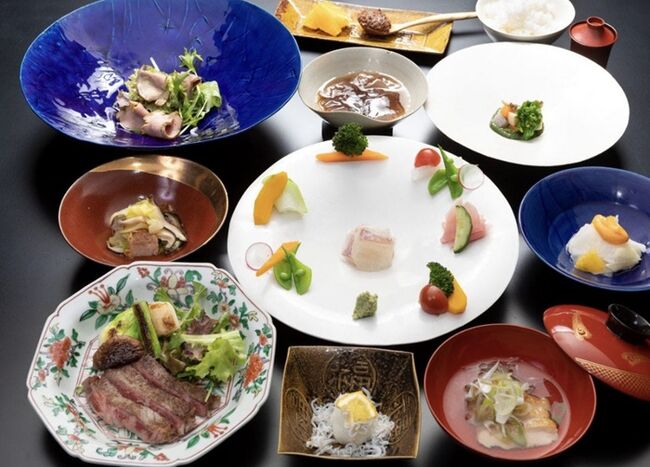 Japanese kaiseki embodies the beauty of empty space. It does not fill the plate with food; it leaves room for the seasons, colors, and the vessel itself, while also leaving empty space in between. [Photo by Park Myung-mi]
Next comes grilled fish. It is garnished with pickled ginger stems, which are cut long to ensure the vibrant red at the tips is visible. While the habit of eating ginger stems is uncommon in Korea, the contrast between the white fish flesh and the red ginger is a visual delight. Used to cleanse the palate after the fish, the ginger stem itself becomes a dish in its own right.
Then, a clear soup containing thinly sliced seaweed is served, called "hashi-arai" (箸洗い). This soup acts like an intermission in a concert or a play, cleansing the palate and resetting the senses before the next course.
Now we reach the latter half of the meal. It is time for a dish called "hassun" (八寸). The name refers not to the dish itself, but to the size of the plate. Being roughly 8 sun (24cm) wide, this "main dish" features seasonal ingredients from the mountains and sea to express the current season.
In modern ryokan-style kaiseki, courses have become quite hearty, with the addition of sashimi, grilled dishes, and meat. Those who enjoy their drinks can truly relax and savor this portion of the meal.
For Koreans, it is particularly interesting that rice is served almost at the end. We place rice at the center and spread out the soup and side dishes all at once. We alternate between rice, meat, soup, and kimchi, moving freely between various flavors.
Kaiseki is the opposite. You fully enjoy the preceding courses, and only at the very end are rice, soup, and "konomono" (pickled vegetables) brought out. The rice serves not as the main event to fill the stomach, but as a calm conclusion to a long meal. It is finally rounded off with rich green tea and a sweet dessert like yokan.
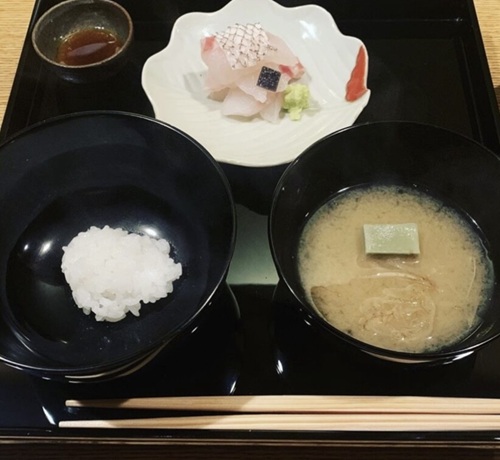 In kaiseki, rice acts as a calm conclusion to a long meal rather than the main event to fill the stomach. [Photo by Park Myung-mi]
Because of this, what remains after a kaiseki meal is often more in the heart and mind than in the stomach. I remember the tiny garden revealed beneath the black lacquer lid, the red ginger stem beside the grilled fish, the single morsel of food resting on a large plate, and the vast empty space surrounding it.
If the beauty of the Korean table lies in its abundance, the beauty of Japanese kaiseki lies in the art of leaving space. It does not crowd the plate with food; it leaves room for the seasons, colors, and the beauty of the vessel, with empty space in between. It is the difference between the joy of an entire spread laid out at once and the joy of waiting for each course to arrive.
Eating kaiseki is more than just tasting various Japanese dishes one by one. It is about seeing and feeling the season within a small bowl, enjoying the negative space between the food and the vessel, and anticipating the next course. It is not just about eating a meal, but consuming a series of paintings. This is the very emotion I felt when I first encountered kaiseki in Japan.
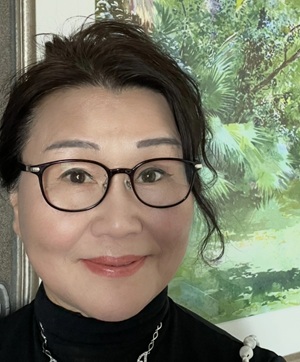
◆ Author Park Myung-mi
A Japanese gourmet travel columnist. A graduate of Ewha Girls' High School, she holds a master's degree in linguistics from Kumamoto University in Japan and has served as a Korean language instructor at Saga University and Kyushu Sangyo University. She is the co-author of the Korean-Japanese comparative study book "Anata is Korean" (2006).

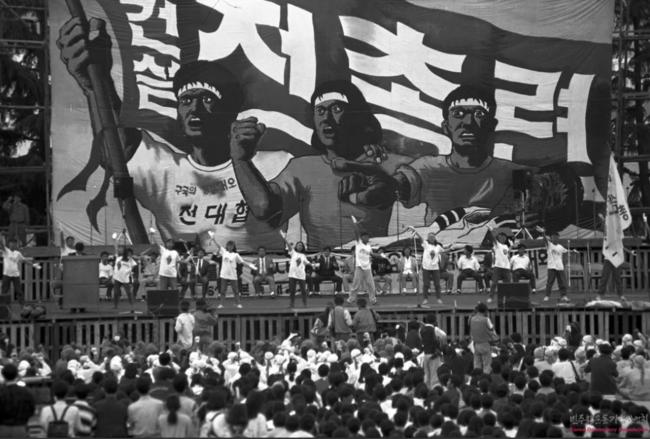 [Songsan Column | An 80-Year History of the Pro-North Left] ㉞ The Persistence of the Juche-Faction in 1990s Universities
Inauguration Ceremony of the 5th Jeondaehyop in 1991 By the 1990s, the university campus was no longer a place where massive protests erupted daily and the streets were filled with shouts, as was
[Songsan Column | An 80-Year History of the Pro-North Left] ㉞ The Persistence of the Juche-Faction in 1990s Universities
Inauguration Ceremony of the 5th Jeondaehyop in 1991 By the 1990s, the university campus was no longer a place where massive protests erupted daily and the streets were filled with shouts, as was
 “'China’s Interference in U.S. Presidential Election': 16 Months of Reports to Trump Ignored”
Declassified documents from the U.S. National Security Agency (NSA) released by the White House Government Transparency Task Force on the 18th (local time). They contain emails among intelligence agen
“'China’s Interference in U.S. Presidential Election': 16 Months of Reports to Trump Ignored”
Declassified documents from the U.S. National Security Agency (NSA) released by the White House Government Transparency Task Force on the 18th (local time). They contain emails among intelligence agen
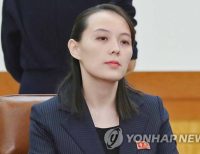
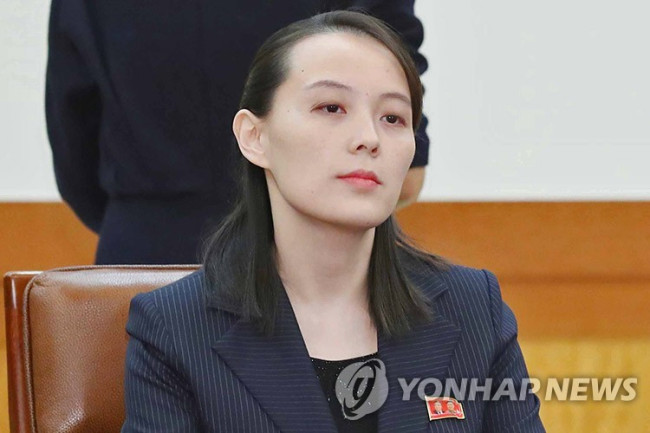 [Comprehensive] Kim Yo-jong: "Seoul’s Pitiful Plight Now That It Cannot Play War Games"… Mockery and Vitriol
Kim Yo-jong, Vice Department Director of the Workers' Party of Korea [Yonhap News] Kim Yo-jong, Vice Department Director of the Workers' Party of Korea and sister of North Korean leader Kim Jong-
[Comprehensive] Kim Yo-jong: "Seoul’s Pitiful Plight Now That It Cannot Play War Games"… Mockery and Vitriol
Kim Yo-jong, Vice Department Director of the Workers' Party of Korea [Yonhap News] Kim Yo-jong, Vice Department Director of the Workers' Party of Korea and sister of North Korean leader Kim Jong-
 Shim Woo-jung indicted without detention for 'insurrection involvement'... Shim protests, claiming "disregard for evidence and legal principles"
Former Prosecutor General Sim Woo-jung [Yonhap News file photo]Former Prosecutor General Sim Woo-jung has been indicted on charges of participating in the December 3rd martial law insurrection and abu
Shim Woo-jung indicted without detention for 'insurrection involvement'... Shim protests, claiming "disregard for evidence and legal principles"
Former Prosecutor General Sim Woo-jung [Yonhap News file photo]Former Prosecutor General Sim Woo-jung has been indicted on charges of participating in the December 3rd martial law insurrection and abu
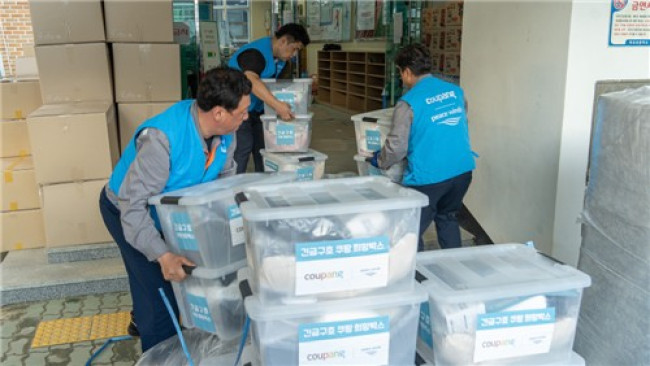 Coupang Donates 200 'Hope Boxes' to Flood Victims in Geoje
Support of 200 'Hope Boxes' [Courtesy of Coupang]Coupang announced on the 20th that it has provided 200 sets of 'Emergency Relief Coupang Hope Boxes' to Geoje, Gyeongsangnam-do.The previous day, Coupa
Coupang Donates 200 'Hope Boxes' to Flood Victims in Geoje
Support of 200 'Hope Boxes' [Courtesy of Coupang]Coupang announced on the 20th that it has provided 200 sets of 'Emergency Relief Coupang Hope Boxes' to Geoje, Gyeongsangnam-do.The previous day, Coupa
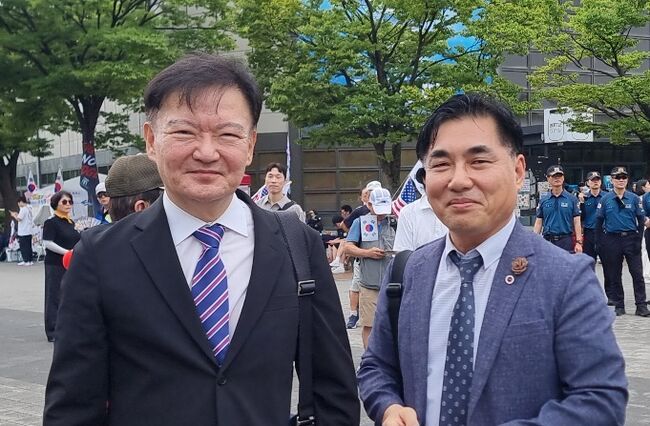 [Photo] Rep. Min Kyung-wook visits Olympic Park... "Restoring my honor after 6 years of being called a nutjob"
Min Kyung-wook, the person who ignited the movement to investigate election fraud. The sacrifice and courage of former National Assembly member Min Kyung-wook were instrumental in the creation of toda
[Photo] Rep. Min Kyung-wook visits Olympic Park... "Restoring my honor after 6 years of being called a nutjob"
Min Kyung-wook, the person who ignited the movement to investigate election fraud. The sacrifice and courage of former National Assembly member Min Kyung-wook were instrumental in the creation of toda
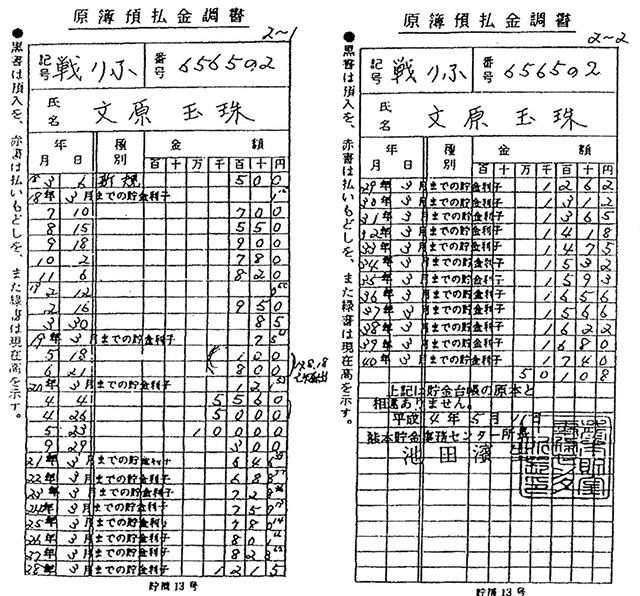 [Special Contribution: Songsan] How much was the 26,000 yen of "comfort woman" Moon Ok-ju worth?
Postal Savings Ledger of Moon Ok-juRecords of approximately 26,000 yen in military postal savings remain for Moon Ok-ju, who served as a "comfort woman" in Burma (present-day Myanmar). Looking at the
[Special Contribution: Songsan] How much was the 26,000 yen of "comfort woman" Moon Ok-ju worth?
Postal Savings Ledger of Moon Ok-juRecords of approximately 26,000 yen in military postal savings remain for Moon Ok-ju, who served as a "comfort woman" in Burma (present-day Myanmar). Looking at the
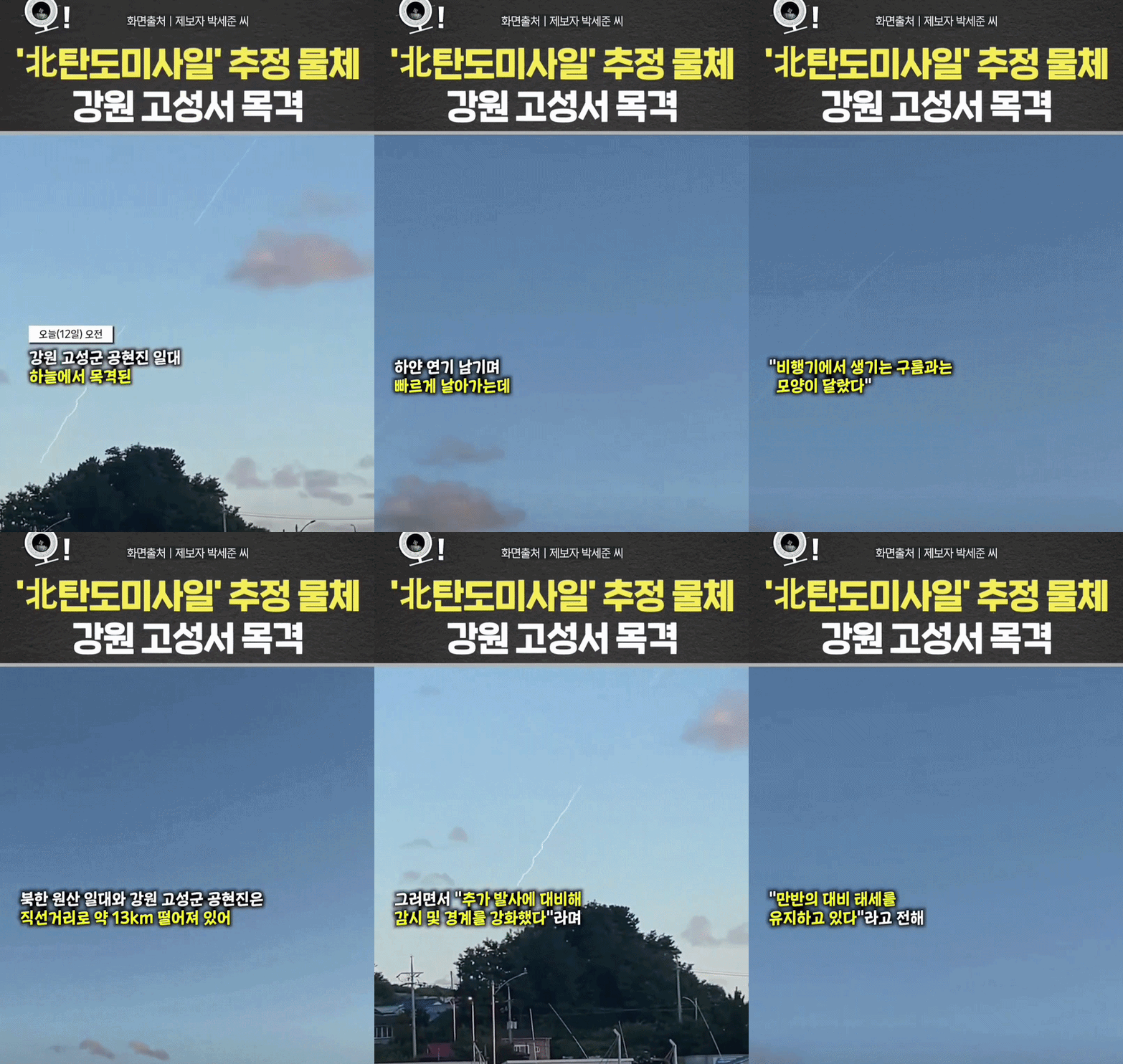 [Video] North Korean ballistic missile filmed by a civilian in Goseong, Gangwon-do
 [Editorial Cartoon] A Draconian Law That Undermines Freedom of Expression

 List
List