The government's announcement to introduce facial recognition procedures for mobile phone non-face-to-face and online activation starting December 23, 2025, is causing significant social repercussions.
Only two days remain until implementation. Although the government explains it will stabilize the system over an approximately 90-day period until next March, concerns about on-site confusion and systemic risks are instead intensifying.
Identity Verification Through Facial Recognition Now
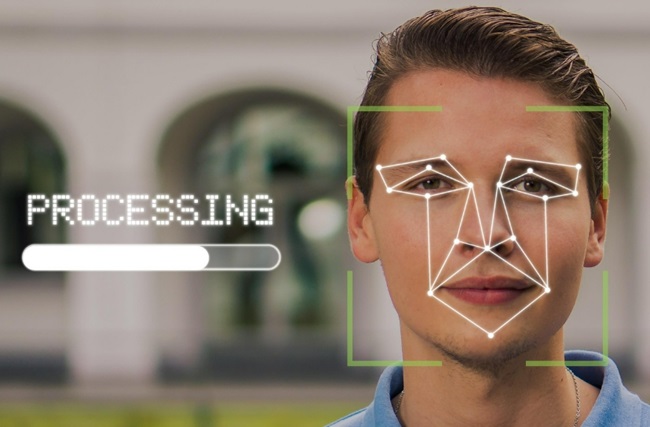
Some are concerned, stating, “This is not a simple matter of telecommunications administration. It is a critical issue that questions the extent to which the state can access citizens' physical information and where the boundaries of liberal democracy should be drawn.”
The government's justification for pushing ahead with facial recognition lies in preventing identity theft, fraudulent activations, and so-called "burner phone" crimes.
Facial recognition, unlike passwords or authentication numbers, is not changeable information. Once leaked, it cannot be changed for life. While resident registration numbers or account numbers can be changed, a face cannot. Despite this, the government is attempting to incorporate the most sensitive biometric information into the system without public consensus.
Possibility of Misidentification Due to Shooting Angle, Aging, or Appearance Changes Remains

Technical stability is also a point of contention. Numerous studies have already pointed out that facial recognition has a possibility of misidentification depending on lighting, shooting angle, aging, and changes in appearance.
Despite this, the policy is rapidly progressing towards implementation without sufficient verification or societal discussion. The government explains that it will verify identity through telecommunication carriers and the PASS app, and that the information will be immediately discarded after authentication.
However, for 'verification' to occur, reference data is necessary, and the entity responsible for storing and managing that reference data, along with access rights and retention periods, must be clearly defined. Public opinion suggests it is difficult for citizens to feel at ease with the information currently disclosed.
Toss and Kakao Pay Also Partnering with Chinese Capital
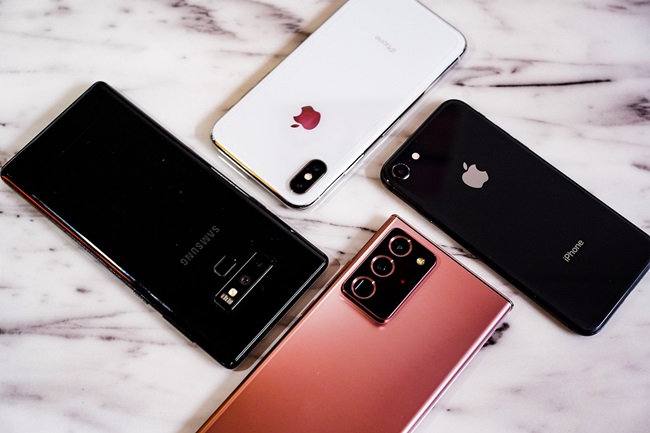
A covert yet most fatal form of sovereignty infringement is already occurring through the payment system.
The fact that Chinese capital is deeply involved in South Korea's payment infrastructure is no longer an abstract concern.
It has been reported that 38% of Toss Pay's shares are held by Chinese capital, and there was shocking news that Kakao Pay linked user information, numbering approximately 40 million, with China's Alipay.
Financial and payment information are the most sensitive data, revealing individuals' consumption patterns, daily movements, and even social relationships. They are, in effect, a map that records an individual's entire life.
In this situation, if facial information and payment/financial data are leaked or hacked together, individuals could be reduced to "digital hostages" managed and tracked by foreign powers, beyond mere personal information breaches.
Risk of Becoming Hostages in a Digital Surveillance Society

The accumulated data can be absorbed into state power's big data systems and used as a tool to analyze individuals, manipulate public opinion, and instigate social unrest in emergencies.
The problem is that this process unfolds quietly under the guise of convenience. In the meantime, our informational sovereignty is shaken entirely, and citizens are being pushed into a state of being hostages in a digital surveillance society without even realizing it.
The risks are doubled when facial recognition technology is combined with this. The moment facial information and payment/financial data are leaked or hacked together, individuals could be reduced to "digital hostages" managed and tracked by foreign powers, beyond mere personal information breaches.
A Society Where Faces Become Identity Cards
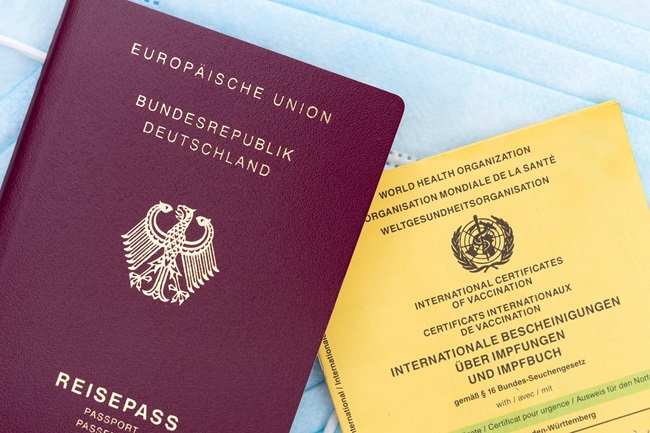
Technology can be neutral, but a nation that neglects it can never be blameless. If we do not take this issue as a warning now, we will end up paying for our freedom in exchange for convenience.
The reason this policy is meeting particularly strong backlash is the existence of precedents for its misuse. China introduced facial recognition for mobile phone activation in 2019 and effectively made it mandatory across the board since 2020. It is not an exception even in offline stores, not just online.
Facial recognition has been integrated beyond smartphone activation into payment, transportation, administration, and public security systems. Individuals' faces have become their IDs and cards, and tracking systems linked with CCTV have become commonplace.
This is the so-called 'Sky Net' system. Technology combined with unchecked power can always be converted into a tool for surveillance and control.
The South Korean government says it is different from China. However, the starting point and logic of the system are surprisingly similar. China also initially cited crime prevention and strengthening real-name registration as its justifications. Policies always begin with limited introduction and then gradually expand.
December 23, 2025, is not just a system implementation date. It is a turning point that divides how far liberal democracy is allowed and where it must stop. If we do not apply the brakes now, we may end up paying a much greater price later.
Editorial Department, Hankyoreh

 [Statement by the Seo-beo-kka Korea Military Academy Save-the-Nation Comrades Association] ㉛ Recount the Votes Publicly, as the Previous Recount Concealed Election Fraud
Tongyeong Mayoral Election Recount [Photo=Yonhap News]South Korea's liberal democracy is dying. The National Election Commission (NEC) and the judiciary, which have plummeted into criminal syndicates
[Statement by the Seo-beo-kka Korea Military Academy Save-the-Nation Comrades Association] ㉛ Recount the Votes Publicly, as the Previous Recount Concealed Election Fraud
Tongyeong Mayoral Election Recount [Photo=Yonhap News]South Korea's liberal democracy is dying. The National Election Commission (NEC) and the judiciary, which have plummeted into criminal syndicates
 What is the significance of the "Trump 2028" red hats that keep making a comeback?
It is noteworthy that President Donald Trump is "intentionally" fueling controversy over whether he can actually run in the 2028 presidential election, even though it is "highly likely he is seriously
What is the significance of the "Trump 2028" red hats that keep making a comeback?
It is noteworthy that President Donald Trump is "intentionally" fueling controversy over whether he can actually run in the 2028 presidential election, even though it is "highly likely he is seriously
 Jin Cummings: “North Korea says it will increase the number of spies, so what is the government doing?”
U.S. political columnist Gene Cummings has publicly questioned the South Korean government, asking, "North Korea is declaring that it will increase its number of spies, so what is the South Kore
Jin Cummings: “North Korea says it will increase the number of spies, so what is the government doing?”
U.S. political columnist Gene Cummings has publicly questioned the South Korean government, asking, "North Korea is declaring that it will increase its number of spies, so what is the South Kore
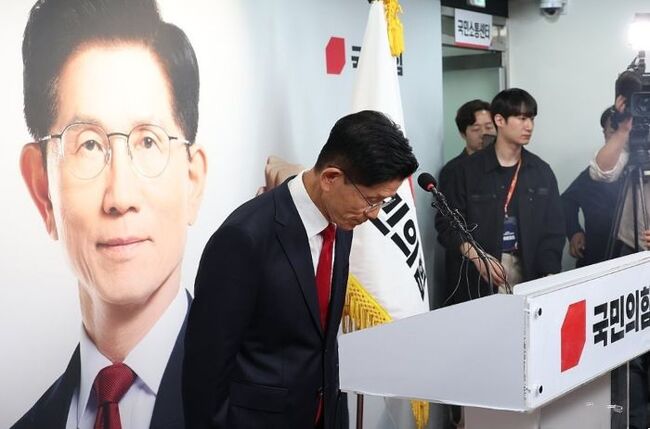 “Too little, too late?…” Kim Moon-soo, who previously conceded his presidential election defeat, now demands a special counsel investigation into ‘allegations of election fraud in the 2025 presidential election’
People Power Party presidential candidate Kim Moon-soo concedes defeat during a press conference at the party headquarters in Yeouido, Seoul, on June 4, 2025. [Joint Press Corps]As allegations emerge
“Too little, too late?…” Kim Moon-soo, who previously conceded his presidential election defeat, now demands a special counsel investigation into ‘allegations of election fraud in the 2025 presidential election’
People Power Party presidential candidate Kim Moon-soo concedes defeat during a press conference at the party headquarters in Yeouido, Seoul, on June 4, 2025. [Joint Press Corps]As allegations emerge
 Stock Market Crash 'Black Tuesday'… KOSPI down 10.8%, KOSDAQ down 7.7%
The KOSPI fell by more than 5% in early trading on the 28th, triggering a sell-side sidecar.On the 28th, the KOSPI plunged by more than 10%.Due to the sharp decline, a sell-side sidecar—a temporary
Stock Market Crash 'Black Tuesday'… KOSPI down 10.8%, KOSDAQ down 7.7%
The KOSPI fell by more than 5% in early trading on the 28th, triggering a sell-side sidecar.On the 28th, the KOSPI plunged by more than 10%.Due to the sharp decline, a sell-side sidecar—a temporary
 [World Heritage Committee] 25 New World Heritage Sites Inscribed in Busan… South Korea Successfully Expands 'Getbol' Listing
The Chairperson of the World Heritage Committee speaks at the plenary session of the 48th session of the World Heritage Committee, held at BEXCO in Busan on the 20th. [Photo: Yonhap News]A total of 25
[World Heritage Committee] 25 New World Heritage Sites Inscribed in Busan… South Korea Successfully Expands 'Getbol' Listing
The Chairperson of the World Heritage Committee speaks at the plenary session of the 48th session of the World Heritage Committee, held at BEXCO in Busan on the 20th. [Photo: Yonhap News]A total of 25
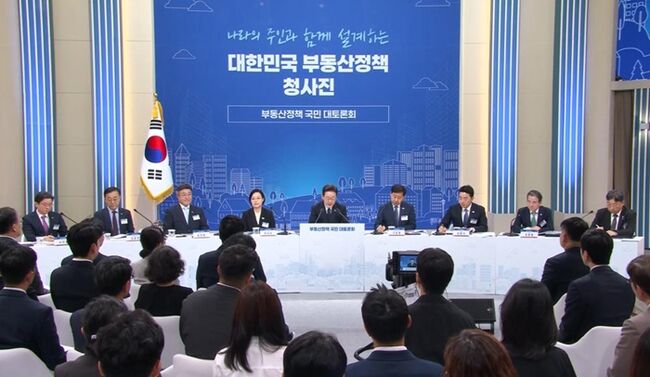 [Liberal Democratic Party Statement] Calling it a Grand Real Estate Debate… It Was Nothing More Than a Private Party Among Themselves
The 'National Grand Debate on Real Estate Policy' held on July 23rd and 27th. [Photo=Yonhap News]The 'National Grand Debate on Real Estate Policy,' hosted by the Lee Jae-myung administration under the
[Liberal Democratic Party Statement] Calling it a Grand Real Estate Debate… It Was Nothing More Than a Private Party Among Themselves
The 'National Grand Debate on Real Estate Policy' held on July 23rd and 27th. [Photo=Yonhap News]The 'National Grand Debate on Real Estate Policy,' hosted by the Lee Jae-myung administration under the
 [Photo] Evidence of Election Fraud Flooding U.S. Media… Trump Had 2.7 Million Votes Stolen
 [Video] U.S. Semiquincentennial Air Show... 'Art in the Sky' streaks across New York
 [Editorial Cartoon] A Draconian Law That Undermines Freedom of Expression

 List
List