- "Current interest rates do not reflect fundamentals"... "Fiscal consolidation plan to be announced this week or next"
- Regarding the national debt surpassing $40 trillion for the first time, he stated, "We can overcome the debt issue through growth."
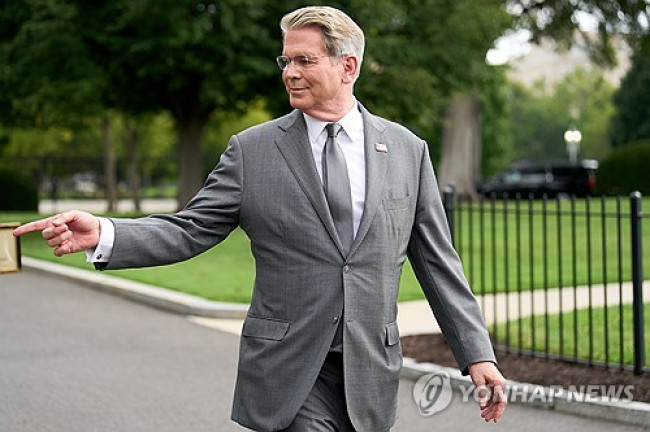 U.S. Treasury Secretary Scott Bessent [AP=Yonhap News]
U.S. Treasury Secretary Scott Bessent stated on the 20th (local time) that the volume of Treasury buybacks could exceed $4 billion (5.58 trillion won) per operation.
Appearing on the U.S. business news network CNBC that day, Secretary Bessent said, "We have many policy tools at our disposal, so we will monitor the situation," adding, "Part of this is about signaling—showing that current Treasury yields do not properly reflect underlying economic conditions."
Secretary Bessent's remarks followed the U.S. Treasury Department's announcement the previous day that it would double the size of long-term Treasury buybacks from $2 billion to at least $4 billion per operation.
The Treasury plans to expand the buyback size for long-term Treasurys, including 10-20 year and 20-30 year maturities, starting September 9.
The U.S. Treasury's bond buyback program, which involves repurchasing existing government bonds currently traded in the market, is designed to increase liquidity in specific maturity segments and ensure smooth market functioning.
While 30-year U.S. Treasury yields plummeted following the Treasury's announcement, most of those losses were erased that day. Treasury yields maintained their upward trend even after Secretary Bessent's comments.
However, regarding the rebound in Treasury yields, he dismissed its significance, stating, "Everything that happens within a 24-hour period is just noise."
He also signaled that the administration would make an announcement focused more on fiscal consolidation "sometime this week or early next week."
Regarding the U.S. national debt surpassing $40 trillion for the first time in history, he said, "There is no special meaning to the $40 trillion figure," adding, "We can grow our way out of this problem."
He further added, "The message to our allies and trading partners is that global growth is the way to solve this mountain of debt."
Regarding the large-scale corporate bond issuances by AI companies, which have been cited as another factor contributing to the rise in long-term yields, he suggested that companies might consider issuing more medium-term bonds, such as 5-year notes, instead of long-term bonds with high interest rates.
He explained, "I believe companies are confident that the returns from building AI infrastructure will be very high," and that they are not overly concerned about current high borrowing costs.
He then stated, "If I were in the position of a CFO, I would consider issuing more of the so-called 'belly of the curve' bonds, for instance, 5-year notes."
He projected that if AI leads to significant productivity gains, inflationary pressures would naturally ease and interest rates would eventually fall, noting, "(AI infrastructure construction) is causing competition for funding in the short term, but it will ultimately bring about substantial improvements in productivity."
What do you think of this article?

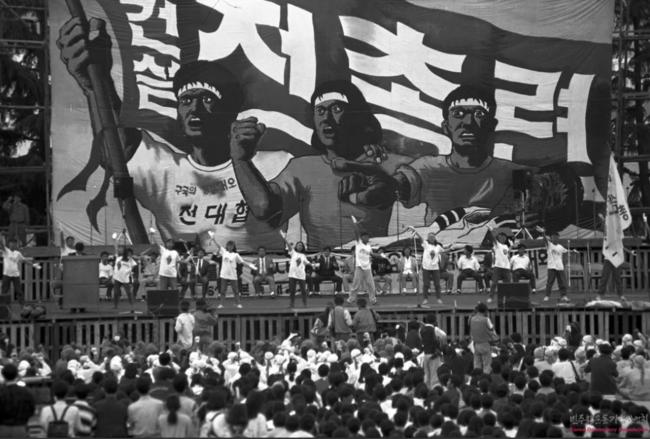 [Songsan Column | An 80-Year History of the Pro-North Left] ㉞ The Persistence of the Juche-Faction in 1990s Universities
Inauguration Ceremony of the 5th Jeondaehyop in 1991 By the 1990s, the university campus was no longer a place where massive protests erupted daily and the streets were filled with shouts, as was
[Songsan Column | An 80-Year History of the Pro-North Left] ㉞ The Persistence of the Juche-Faction in 1990s Universities
Inauguration Ceremony of the 5th Jeondaehyop in 1991 By the 1990s, the university campus was no longer a place where massive protests erupted daily and the streets were filled with shouts, as was
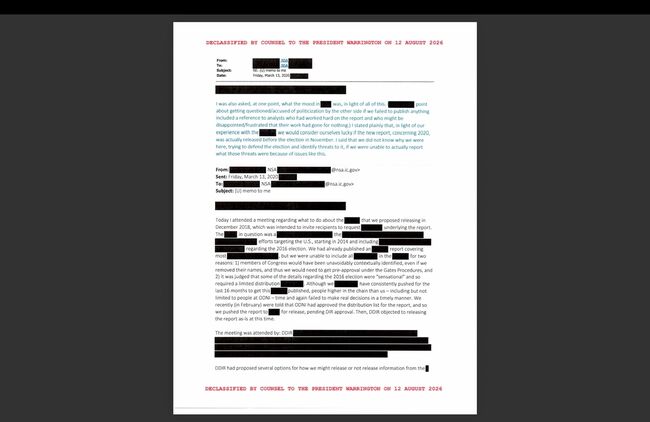 “'China’s Interference in U.S. Presidential Election': 16 Months of Reports to Trump Ignored”
Declassified documents from the U.S. National Security Agency (NSA) released by the White House Government Transparency Task Force on the 18th (local time). They contain emails among intelligence agen
“'China’s Interference in U.S. Presidential Election': 16 Months of Reports to Trump Ignored”
Declassified documents from the U.S. National Security Agency (NSA) released by the White House Government Transparency Task Force on the 18th (local time). They contain emails among intelligence agen
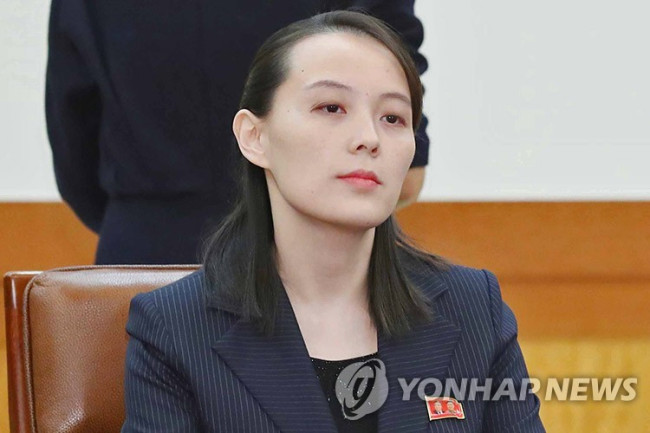 [Comprehensive] Kim Yo-jong: "Seoul’s Pitiful Situation, Unable to Play War Games"… Ridicule and Harsh Language
Kim Yo-jong, Vice Department Director of the Workers' Party of North Korea [Yonhap News] Kim Yo-jong, Vice Department Director of the Workers' Party and sister of North Korean leader Kim Jong-un,
[Comprehensive] Kim Yo-jong: "Seoul’s Pitiful Situation, Unable to Play War Games"… Ridicule and Harsh Language
Kim Yo-jong, Vice Department Director of the Workers' Party of North Korea [Yonhap News] Kim Yo-jong, Vice Department Director of the Workers' Party and sister of North Korean leader Kim Jong-un,
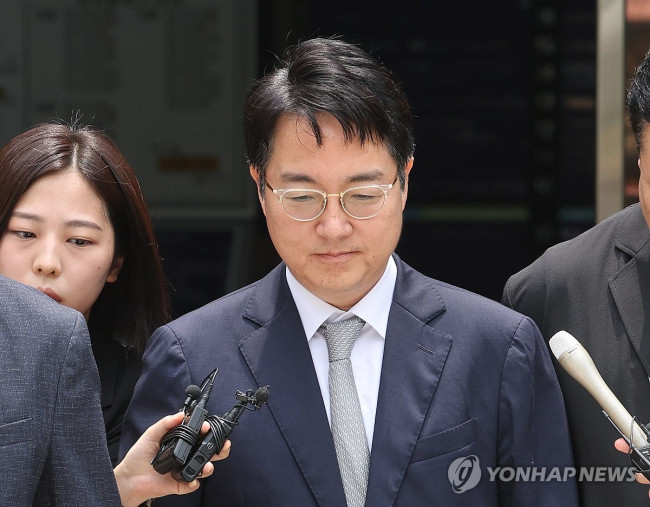 Shim Woo-jung indicted without detention for 'insurrection involvement'... Shim protests, claiming "disregard for evidence and legal principles"
Former Prosecutor General Shim Woo-jung [Yonhap News file photo]Former Prosecutor General Shim Woo-jung has been indicted on charges of participating in the December 3rd martial law insurrection and a
Shim Woo-jung indicted without detention for 'insurrection involvement'... Shim protests, claiming "disregard for evidence and legal principles"
Former Prosecutor General Shim Woo-jung [Yonhap News file photo]Former Prosecutor General Shim Woo-jung has been indicted on charges of participating in the December 3rd martial law insurrection and a
 [Park Myung-mi's Kyushu Travel] ② Kaiseki Cuisine, Eating a Garden in a Bowl
When you first encounter kaiseki cuisine, it can feel like playing house. The dishes are small, yet there are so many of them. When I first came to Japan, the food that truly moved me was a cours
[Park Myung-mi's Kyushu Travel] ② Kaiseki Cuisine, Eating a Garden in a Bowl
When you first encounter kaiseki cuisine, it can feel like playing house. The dishes are small, yet there are so many of them. When I first came to Japan, the food that truly moved me was a cours
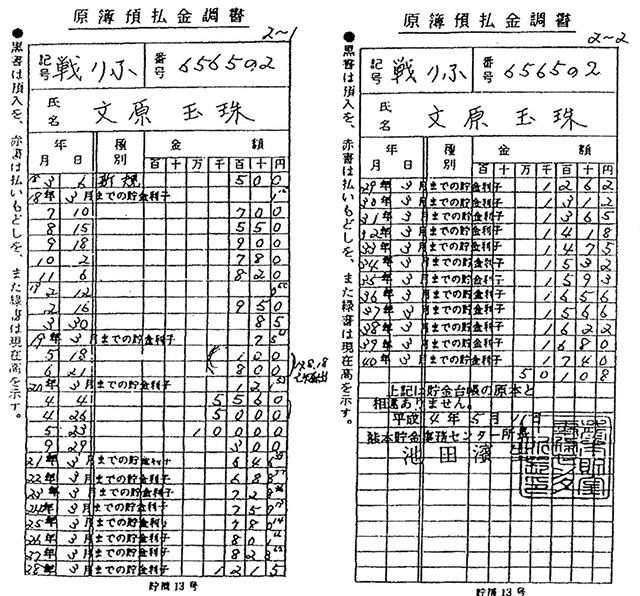 [Special Contribution: Songsan] How much was the 26,000 yen of "comfort woman" Moon Ok-ju worth?
Postal Savings Ledger of Moon Ok-juRecords of approximately 26,000 yen in military postal savings remain for Moon Ok-ju, who served as a "comfort woman" in Burma (present-day Myanmar). Looking at the
[Special Contribution: Songsan] How much was the 26,000 yen of "comfort woman" Moon Ok-ju worth?
Postal Savings Ledger of Moon Ok-juRecords of approximately 26,000 yen in military postal savings remain for Moon Ok-ju, who served as a "comfort woman" in Burma (present-day Myanmar). Looking at the
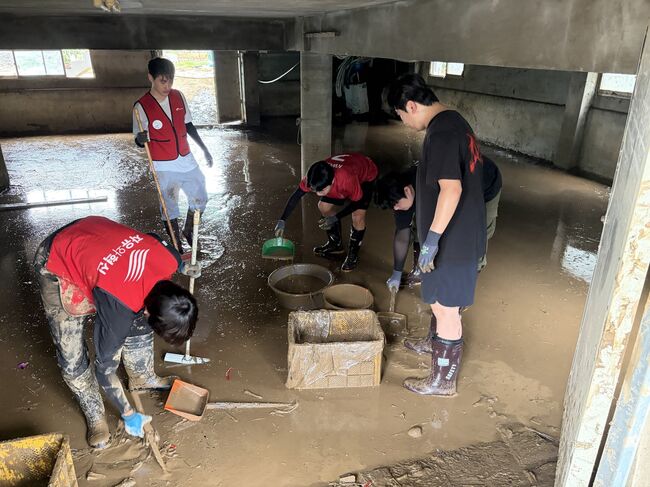 [Photo] Liberty and Innovation Geoje Flood Recovery Support
 [Video] North Korean ballistic missile filmed by a civilian in Goseong, Gangwon-do
 [Editorial Cartoon] A Draconian Law That Undermines Freedom of Expression

 List
List