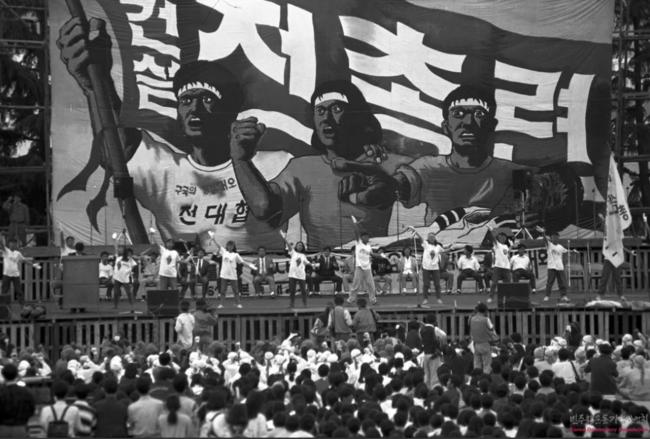
 Inauguration Ceremony of the 5th Jeondaehyop in 1991 By the 1990s, the university campus was no longer a place where massive protests erupted daily and the streets were filled with shouts, as was the case in the 1980s.
As democratization progressed following the June Democratic Struggle of 1987, the popular base for the student movement weakened. The collapse of the socialist bloc in Eastern Europe in 1989 and the dissolution of the Soviet Union in 1991 added a profound ideological shock.
Nevertheless, a closer look inside campuses revealed that, contrary to the visible political fading, an implicit yet persistent organizational culture and mode of activity continued for quite some time.
Although the activist groups centered on the Juche ideology (the NL, or National Liberation faction) retreated from public street struggles, the networks connecting seniors and juniors through student councils and an education system focused on discussion and reading remained deeply rooted in university society.
The first organizations freshmen encountered upon entering university were the departmental student council and the general student council. Orientation (O.T.) and Membership Training (M.T.) were not merely venues for socializing; they were crucial gateways for promoting student council activities and drawing freshmen into the organizational network.
Introductions to the student council often accompanied campus life guidance, and lectures and discussions on social issues, reunification, labor, and history were frequently integrated naturally.
While these events ostensibly touted "adjusting to university life," in reality, they served the purpose of instilling specific ideological perspectives and systematically connecting juniors to the organization.
At the time, student councils in many universities centered their activities on issues such as tuition, educational policy, labor concerns, the abolition of the National Security Act, and North-South reunification, all of which were extensions of the activist culture of the 1980s.
Social science circles and academic societies operating in each university were also important spaces for disseminating ideologies. While groups that collectively read and discussed books on economics, political science, philosophy, and modern history appeared to be normal academic activities, some circles continued the practice of selecting books based on specific Juche-affiliated viewpoints, with seniors systematically "educating" their juniors.
A circular structure, where "juniors read the books their seniors read, and those juniors then teach the next generation," became solidified as an organizational culture. Student council offices and club rooms were more than just lounge spaces; they were hubs for protest preparation, drafting hand-written posters (daejabo), discussing on-campus issues, and holding various meetings.
In an era before computers and printers were widespread, the sight of students hand-writing posters and producing leaflets was common. University bulletin boards served as a space for public opinion, where posters for and against tuition hikes, educational policies, labor issues, the abolition of the National Security Act, and the unification movement were posted side-by-side.
The atmosphere of student council elections was also vastly different from today. Candidates had to announce clear positions not only on welfare pledges but also on educational policies, social issues, and reunification. Throughout the election period, joint debates and campaigns were actively held.
In some universities, competition between "activist" and "non-activist" factions regarding the direction of the student council was fierce, and the direction of the council’s activities depended heavily on the election results. This structure allowed the student council to function as the base for activist organizations rather than a mere self-governing body.
A symbolic event that exposed the underlying tension of the 1990s university scene was the 1996 Yonsei University incident. Massive clashes erupted between students and police during the preparations for the 7th Pan-National Rally and the Unification Festival organized by Hanchongryun (the Korean Federation of University Student Councils).
From August 13 to August 20, 1996, the Sinchon campus of Yonsei University was effectively turned into a protest site, putting the campus back at the center of social attention. The police deployed a force of 6,000 to suppress the protest, leading to large-scale clashes and the detention of thousands of students.
This incident caused a rapid shift in public opinion regarding the student movement, marking a turning point where radical struggles were no longer solely perceived as an extension of the democratization movement.
As the late 1990s approached, the atmosphere on campus changed even more drastically. After the 1996 Yonsei incident, the government’s response intensified, and in May 1998, the Supreme Court ruled that the 5th-term Hanchongryun was an enemy-benefiting group under the National Security Act.
As a result, Hanchongryun's public activities were significantly curtailed, and university student councils began shifting their focus toward internal school welfare and livelihood issues rather than street struggles.
The 1997 financial crisis (the IMF crisis) accelerated this change. With the job market becoming extremely difficult, students' interests shifted rapidly from revolution or ideological struggle to English studies, obtaining certifications, civil service exam preparation, and studying abroad.
In student council election pledges, the proportion of practical welfare promises—such as tuition and scholarship support, career programs, and improvements to libraries and dormitories—grew overwhelmingly. Elections that were once centered on political slogans turned into arenas of pragmatic competition evaluating administrative ability and the feasibility of pledges.
This did not mean that activist culture had vanished entirely. In some universities, social science circles, unification-related events, labor site visits, and debates on the abolition of the National Security Act continued, but the number of participants had significantly declined compared to the 1980s or early 1990s.
The center of the student community gradually shifted to non-activist students. The nature of the general student council also transformed. While the perception that it was a "base for student movement organizations" had been strong in the past, over time, its role as a student self-governing body responsible for organizing festivals, welfare projects, career support, and academic policy improvements was strengthened. As an atmosphere prioritizing practical skills and concrete pledges over political orientation spread, the nature of student council elections changed fundamentally.
However, the cultural and organizational habits left behind by the Juche-aligned activists of the 1980s were not easily erased. The hierarchical operational style centered on seniors and juniors, the culture of long-duration meetings, the formation of public opinion through posters and group discussions, and organizational mobilization capabilities remained in various corners of university society.
Although the organizations themselves had declined, the "habits" of managing an organization and rallying people persisted in various forms. This can be seen as both a cultural legacy left by the student movement of that era and a remnant of a mindset that continued to influence South Korean society thereafter.
The 1990s university campus was a period of transition, marking the end of the golden age of the student movement and the rise of a new generation. The shouts in the streets faded, and the student movement lost most of its former influence.
Amidst the massive structural changes of the collapse of the socialist bloc, the progress of democratization, and the IMF economic crisis, universities took the path of depoliticization, but the organizational culture and thought habits formed in the 1980s did not disappear entirely.
That era, where continuity and rupture coexisted, was the greatest characteristic of the 1990s university scene and the essence of the lingering Juche ideology. The organizations disappeared from sight, but their habits continued both on and off campus for a long time, forming a current in modern Korean history.
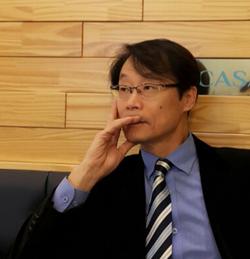
◆ Songsan Jung Kwang-je
A poet and researcher of history and philosophy. Former board member of the Syngman Rhee Institute. Currently serving as a research advisor at the Korea Modern and Contemporary History Research Association and representative of the philosophy forum Lyceum. He has published four volumes of poetry, co-translated "The Heroes of Hook Hill," and authored the humanities books "Joseon Turned into Myth," "Humanities on the Tatami," and "A Liberal's Reading of Gramsci."

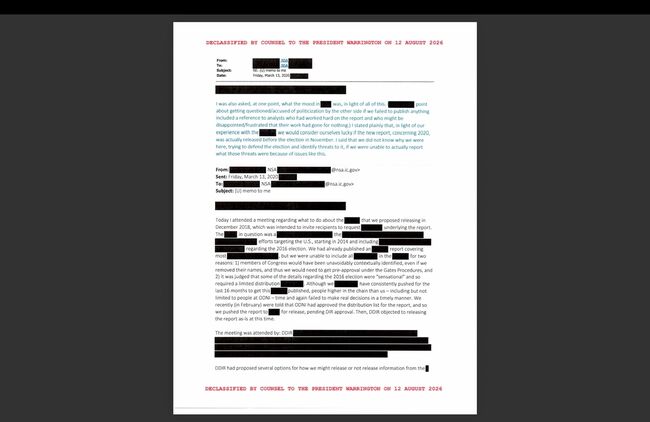 “'China’s Interference in U.S. Presidential Election': 16 Months of Reports to Trump Ignored”
Declassified documents from the U.S. National Security Agency (NSA) released by the White House Government Transparency Task Force on the 18th (local time). They contain emails among intelligence agen
“'China’s Interference in U.S. Presidential Election': 16 Months of Reports to Trump Ignored”
Declassified documents from the U.S. National Security Agency (NSA) released by the White House Government Transparency Task Force on the 18th (local time). They contain emails among intelligence agen
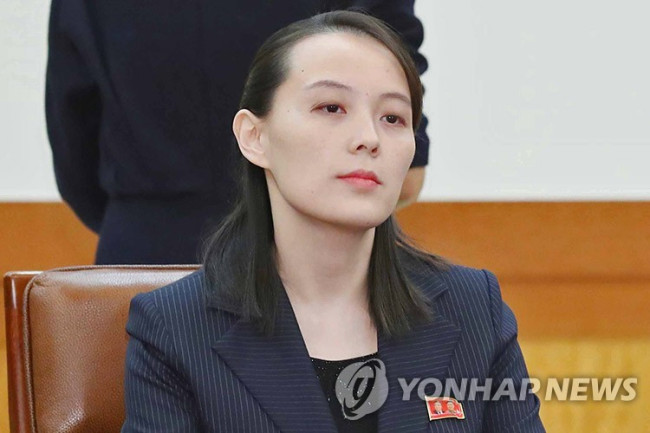 [Comprehensive] Kim Yo-jong: "Seoul’s Pitiful Plight Now That It Cannot Play War Games"… Mockery and Vitriol
Kim Yo-jong, Vice Department Director of the Workers' Party of Korea [Yonhap News] Kim Yo-jong, Vice Department Director of the Workers' Party of Korea and sister of North Korean leader Kim Jong-
[Comprehensive] Kim Yo-jong: "Seoul’s Pitiful Plight Now That It Cannot Play War Games"… Mockery and Vitriol
Kim Yo-jong, Vice Department Director of the Workers' Party of Korea [Yonhap News] Kim Yo-jong, Vice Department Director of the Workers' Party of Korea and sister of North Korean leader Kim Jong-
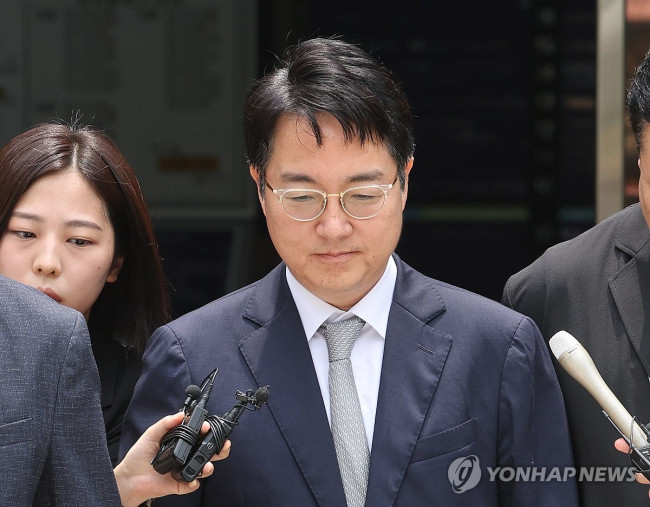 Shim Woo-jung indicted without detention for 'insurrection involvement'... Shim protests, claiming "disregard for evidence and legal principles"
Former Prosecutor General Sim Woo-jung [Yonhap News file photo]Former Prosecutor General Sim Woo-jung has been indicted on charges of participating in the December 3rd martial law insurrection and abu
Shim Woo-jung indicted without detention for 'insurrection involvement'... Shim protests, claiming "disregard for evidence and legal principles"
Former Prosecutor General Sim Woo-jung [Yonhap News file photo]Former Prosecutor General Sim Woo-jung has been indicted on charges of participating in the December 3rd martial law insurrection and abu
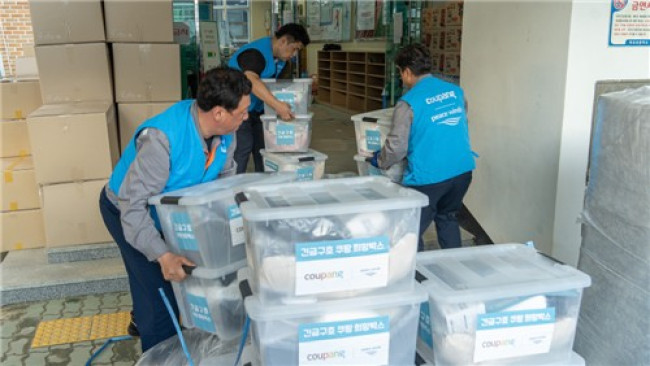 Coupang Donates 200 'Hope Boxes' to Flood Victims in Geoje
Support of 200 'Hope Boxes' [Courtesy of Coupang]Coupang announced on the 20th that it has provided 200 sets of 'Emergency Relief Coupang Hope Boxes' to Geoje, Gyeongsangnam-do.The previous day, Coupa
Coupang Donates 200 'Hope Boxes' to Flood Victims in Geoje
Support of 200 'Hope Boxes' [Courtesy of Coupang]Coupang announced on the 20th that it has provided 200 sets of 'Emergency Relief Coupang Hope Boxes' to Geoje, Gyeongsangnam-do.The previous day, Coupa
 [Park Myung-mi's Kyushu Travel] ② Kaiseki Cuisine, Eating a Garden in a Bowl
When you first encounter kaiseki cuisine, it can feel like playing house. The dishes are small, yet there are so many of them. When I first came to Japan, the food that truly moved me was a cours
[Park Myung-mi's Kyushu Travel] ② Kaiseki Cuisine, Eating a Garden in a Bowl
When you first encounter kaiseki cuisine, it can feel like playing house. The dishes are small, yet there are so many of them. When I first came to Japan, the food that truly moved me was a cours
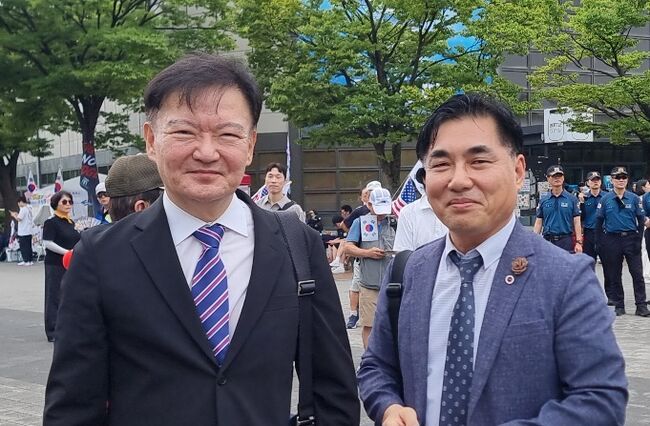 [Photo] Rep. Min Kyung-wook visits Olympic Park... "Restoring my honor after 6 years of being called a nutjob"
Min Kyung-wook, the person who ignited the movement to investigate election fraud. The sacrifice and courage of former National Assembly member Min Kyung-wook were instrumental in the creation of toda
[Photo] Rep. Min Kyung-wook visits Olympic Park... "Restoring my honor after 6 years of being called a nutjob"
Min Kyung-wook, the person who ignited the movement to investigate election fraud. The sacrifice and courage of former National Assembly member Min Kyung-wook were instrumental in the creation of toda
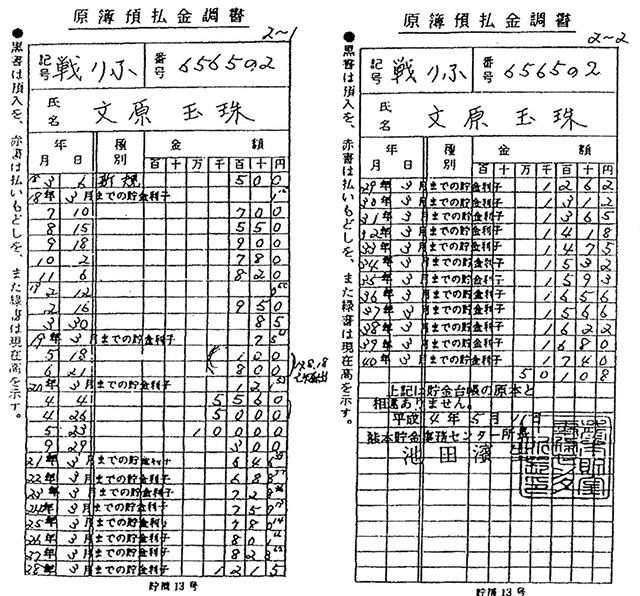 [Special Contribution: Songsan] How much was the 26,000 yen of "comfort woman" Moon Ok-ju worth?
Postal Savings Ledger of Moon Ok-juRecords of approximately 26,000 yen in military postal savings remain for Moon Ok-ju, who served as a "comfort woman" in Burma (present-day Myanmar). Looking at the
[Special Contribution: Songsan] How much was the 26,000 yen of "comfort woman" Moon Ok-ju worth?
Postal Savings Ledger of Moon Ok-juRecords of approximately 26,000 yen in military postal savings remain for Moon Ok-ju, who served as a "comfort woman" in Burma (present-day Myanmar). Looking at the
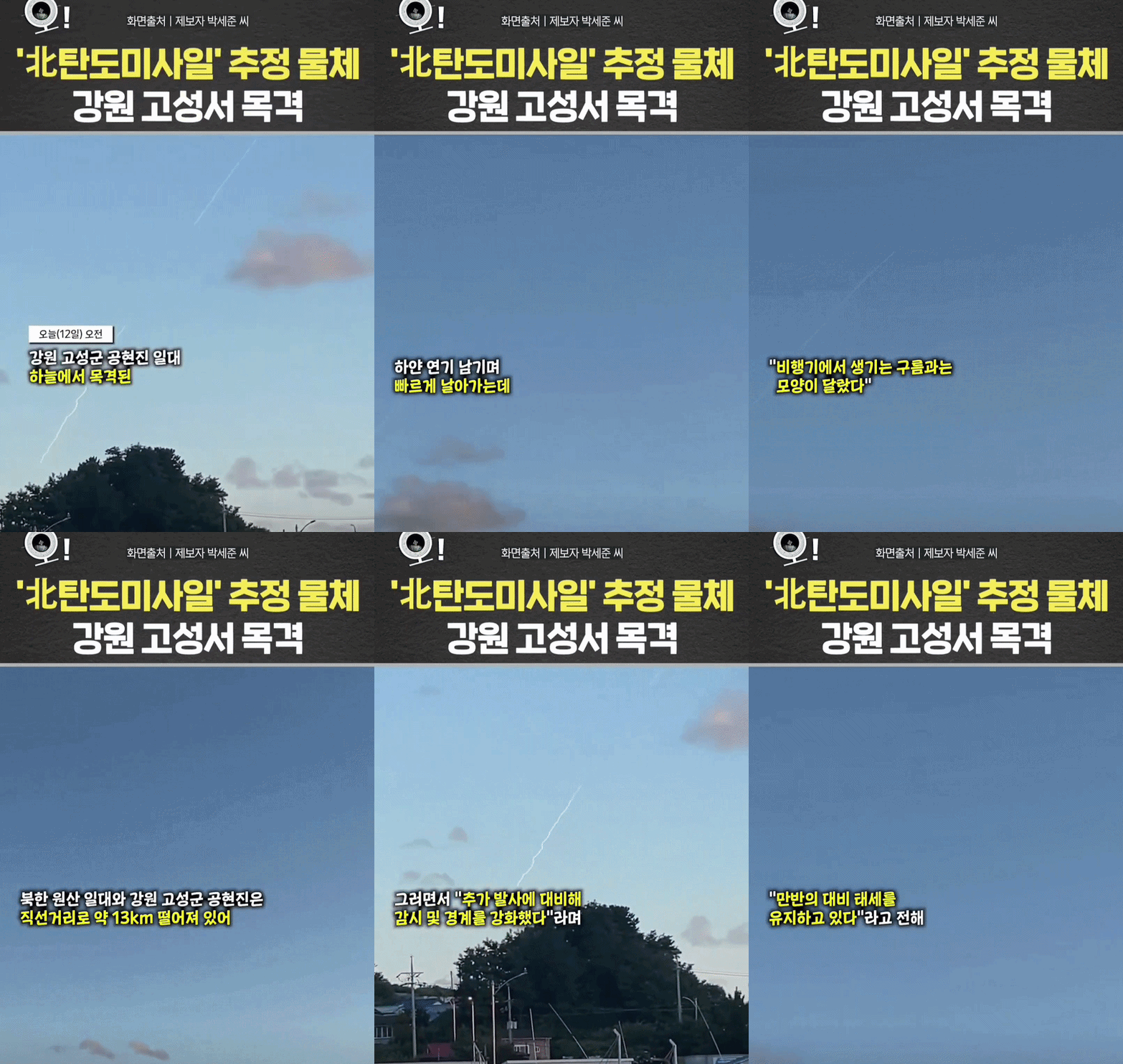 [Video] North Korean ballistic missile filmed by a civilian in Goseong, Gangwon-do
 [Editorial Cartoon] A Draconian Law That Undermines Freedom of Expression

 List
List