National Pension Retroactive Contribution System (CG) [Provided by Yonhap News TV]
Cases are emerging where foreigners work for only one month to join the National Pension, pay a lump sum of premiums for past periods, and subsequently receive a monthly old-age pension for the rest of their lives.
As a result, there is growing criticism that the "retroactive contribution" system—originally introduced to guarantee old-age income for citizens and bridge gaps for stay-at-home parents with career interruptions—is being misused by foreigners in a way that contradicts the system's intended purpose.
According to the National Pension Service (NPS) on the 21st, the retroactive contribution system allows individuals to pay premiums for periods when they were unable to contribute due to unemployment or business suspension, or for periods when their membership history was interrupted due to marriage or childbirth.
Introduced in 1999, the system was expanded in November 2016 to allow retroactive contributions for up to 119 months for periods previously excluded from coverage, such as for non-earning spouses or recipients of basic livelihood security benefits.
The issue is that foreign subscribers also have periods eligible for retroactive contributions, and as long as they were registered as foreigners during those past periods, they can apply for retroactive contributions without restriction, provided it is within a 10-year limit. Recently, with a steady increase in applications from foreigners holding F2, F4, F5, and F6 visas—particularly ethnic Koreans from China—the number of foreign old-age pension recipients has also been rising.
The F2 visa is a resident visa granted to long-term stayers, high-caliber talent, and investors before obtaining permanent residency; F4 is an overseas Korean visa that allows ethnic Koreans who have acquired foreign citizenship broad employment and residence rights; F5 is a permanent resident visa allowing a lifetime stay in South Korea without restrictions on length of stay or employment; and F6 is a marriage immigrant visa granted to foreign spouses legally married to South Korean citizens.
◇ Working for 1 month, retroactively contributing for 119 months... and receiving a pension while living abroad
In fact, many cases have been identified at local NPS offices where foreigners have fulfilled the 120-month (10-year) requirement for pension eligibility by making large retroactive payments after only short-term enrollment.
One Chinese national, "A," entered the country on an H-2 visa (a visit-employment visa allowing ethnic Koreans from China and the former Soviet Union to work in designated sectors like manual labor), worked at a workplace for only one month, and then reached age 60. Although initially eligible for a lump-sum refund of the contributions made, the individual realized that receiving a pension would be more advantageous, paid 119 months of retroactive premiums in a lump sum, and is now receiving a monthly pension.
Another Chinese national, "B," enrolled for one month as a daily construction worker, left the country, received a lump-sum refund, returned to the country, enrolled for another month, added one month of voluntary continued enrollment, repaid the previously received refund, and made 119 months of retroactive contributions to reach a total of 121 months of enrollment, qualifying for pension payments.
A Chinese national with permanent residency (F-5), "C," who became ineligible for a lump-sum refund after nine months of enrollment, made retroactive contributions for 128 months, applied for an early old-age pension, and is currently receiving the pension while residing in China.
◇ Limits in eligibility verification and post-management... Calls for reform from within the NPS
Various structural problems regarding these retroactive contributions by foreigners have been raised within the National Pension Service through multiple channels. First, critics point out that these contributions do not align with the system’s original intent of protecting the pension rights of stay-at-home parents or low-income workers. Furthermore, there is a legal conflict between Article 126 of the National Pension Act, which stipulates that foreigners cannot be voluntary subscribers, and the current practice that allows foreigners to retroactively pay for periods when they were considered non-earning spouses.
There are also serious concerns regarding the outflow of funds due to excessive benefits and the limitations in post-management.
Additionally, it is difficult to accurately verify whether a foreigner is eligible, their spouse's enrollment history, and their residence status through official documents, leading to a high risk of miscalculating eligible periods. The burden is further increased by the fact that family relationship and marriage certification documents vary by country and are susceptible to forgery, making it difficult for front-line staff to verify their authenticity. There is also a persistent risk that pensions could be paid fraudulently if the death of a recipient living overseas is not promptly reported, creating loopholes in the management of survivor pensions.
Voices of concern are growing among front-line National Pension Service staff as more foreigners utilize the repayment and retroactive contribution systems to meet the 120-month eligibility requirement.
Consequently, there is gaining momentum for the argument that criteria for retroactive contributions and pension eligibility for foreigners must be promptly revised to maintain public trust and ensure the sustainability of the pension fund.

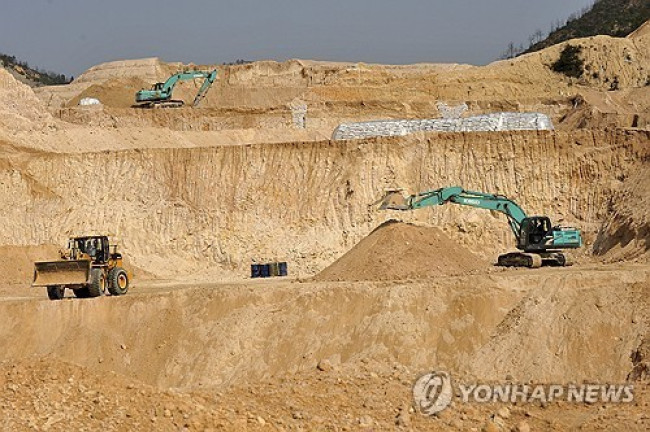 Japanese Government Plans Independent Investment in Rare Earth Mine Development… Accelerating Decoupling from China
A rare earth mine in China [AP=Yonhap News file photo] The Japanese government, which is striving to reduce its dependence on China for critical minerals such as rare earths, plans to allow the g
Japanese Government Plans Independent Investment in Rare Earth Mine Development… Accelerating Decoupling from China
A rare earth mine in China [AP=Yonhap News file photo] The Japanese government, which is striving to reduce its dependence on China for critical minerals such as rare earths, plans to allow the g
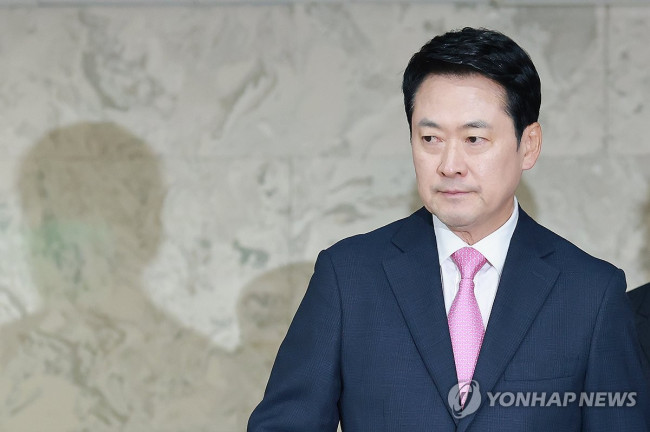 People Power Party slams ruling party's push for "Cho Hee-dae's resignation," calling it "judicial abuse rhetoric and kangaroo court proceedings"
People Power Party Representative Jang Dong-hyeok attending a forum evaluating the second year of the Lee Jae-myung administration [Seoul=Yonhap News]On the 21st, the People Power Party once again cri
People Power Party slams ruling party's push for "Cho Hee-dae's resignation," calling it "judicial abuse rhetoric and kangaroo court proceedings"
People Power Party Representative Jang Dong-hyeok attending a forum evaluating the second year of the Lee Jae-myung administration [Seoul=Yonhap News]On the 21st, the People Power Party once again cri
 '30-something who posted arson threat against Constitutional Court in protest of Yoon's arrest acquitted in appeals court'
A man in his 30s, charged with posting comments online suggesting arson at the Constitutional Court following the issuance of an arrest warrant for former President Yoon Suk Yeol, has been acquitted a
'30-something who posted arson threat against Constitutional Court in protest of Yoon's arrest acquitted in appeals court'
A man in his 30s, charged with posting comments online suggesting arson at the Constitutional Court following the issuance of an arrest warrant for former President Yoon Suk Yeol, has been acquitted a
 Hyundai Motor Union stages first full-scale strike in 10 years… All plants 'come to a halt'
The Hyundai Motor Company labor union (Hyundai Motor branch of the Korean Metal Workers' Union) launched a full-scale strike on the 21st due to difficulties in this year's wage negotiations.This marks
Hyundai Motor Union stages first full-scale strike in 10 years… All plants 'come to a halt'
The Hyundai Motor Company labor union (Hyundai Motor branch of the Korean Metal Workers' Union) launched a full-scale strike on the 21st due to difficulties in this year's wage negotiations.This marks
 [Park Myung-mi's Kyushu Travel] ② Kaiseki Cuisine, Eating a Garden in a Bowl
When you first encounter kaiseki cuisine, it can feel like playing house. The dishes are small, yet there are so many of them. When I first came to Japan, the food that truly moved me was a cours
[Park Myung-mi's Kyushu Travel] ② Kaiseki Cuisine, Eating a Garden in a Bowl
When you first encounter kaiseki cuisine, it can feel like playing house. The dishes are small, yet there are so many of them. When I first came to Japan, the food that truly moved me was a cours
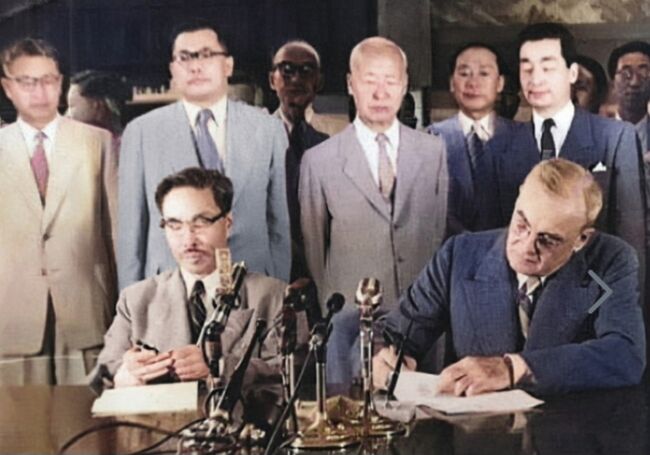 [Shin Dong-chun Column] The History of Korea-U.S. Relations and the ROK-U.S. Alliance
The 1954 signing ceremony of the Mutual Defense Treaty Between the United States and the Republic of Korea. A moment when President Syngman Rhee’s perseverance bore fruit.1. The Encounter and Genesi
[Shin Dong-chun Column] The History of Korea-U.S. Relations and the ROK-U.S. Alliance
The 1954 signing ceremony of the Mutual Defense Treaty Between the United States and the Republic of Korea. A moment when President Syngman Rhee’s perseverance bore fruit.1. The Encounter and Genesi
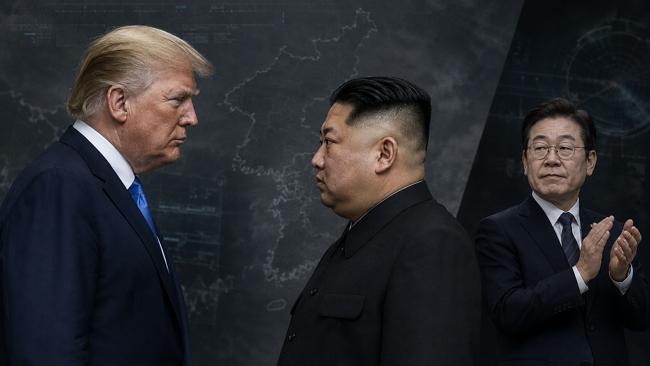 [Outlook] Trump’s Fury Explodes… Fires a Direct Shot at Lee Jae-myung
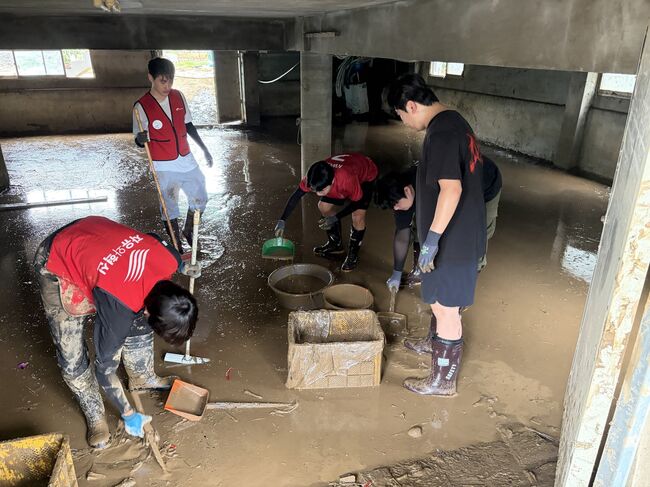 [Photo] Liberty and Innovation Geoje Flood Recovery Support
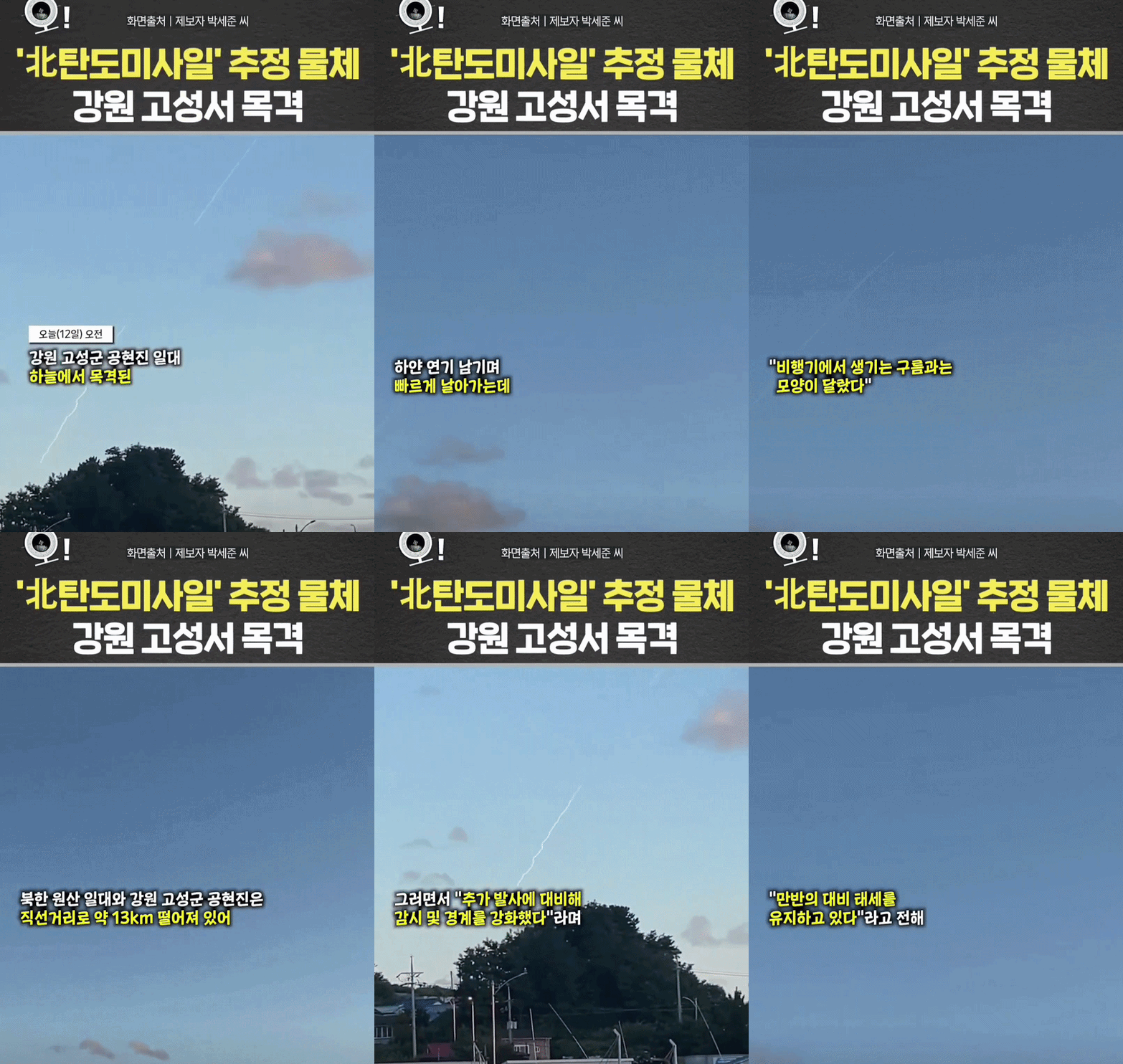 [Video] North Korean ballistic missile filmed by a civilian in Goseong, Gangwon-do
 [Editorial Cartoon] A Draconian Law That Undermines Freedom of Expression

 List
List