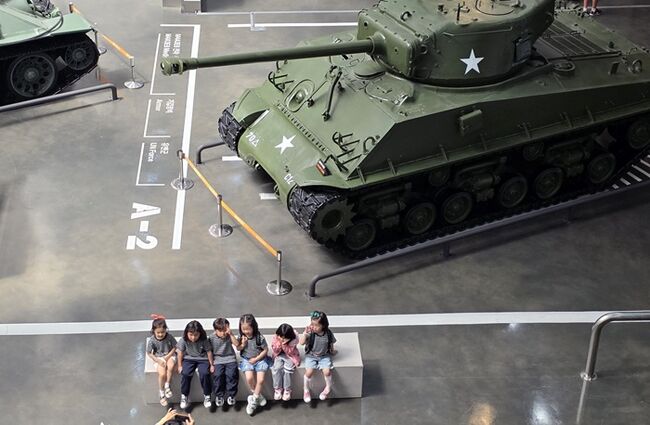
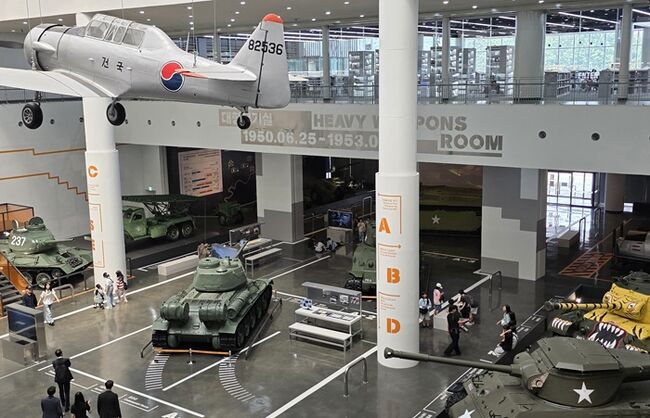
 The Large Weapons Room at the War Memorial of Korea. [Photo by Reporter Lim Yo-hee]
The War Memorial of Korea in Yongsan, Seoul, recently became embroiled in a major controversy after it announced plans to hold a lecture for elementary school students on the "War to Resist US Aggression and Aid Korea"—the perspective of the Chinese Communist Party—under the guise of "diversity of interpretation."
However, this controversy should not undermine the inherent significance of the War Memorial of Korea. As a space dedicated to exhibiting every aspect of the Korean War, the memorial has been committed to promoting the importance of peace since its opening in 1994, spanning over three decades.
It is a place that foreigners are eager to visit when they come to Korea, and a site that domestic visitors have likely frequented for field trips during their school years.
Every death, every life was there
The War Memorial of Korea is a massive narrative museum. This is because every battle, every death, and every life that barely survived carries a story of its own.
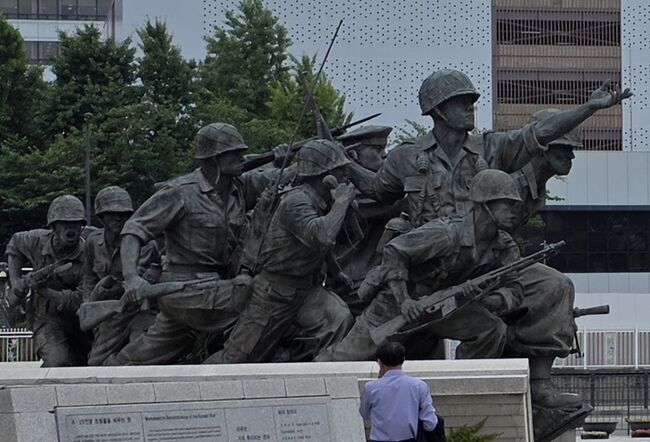 A visitor examines the "Statue of Patriotic Soldiers" at the entrance of the War Memorial. [Photo by Reporter Lim Yo-hee]
The Korean War began on the dawn of June 25, 1950, when North Korea's Kim Il-sung, with the approval of the Soviet Union's Joseph Stalin, crossed the 38th parallel and launched a surprise invasion of South Korea.
The war resulted in the deaths of approximately 138,000 South Korean soldiers and about 40,000 UN troops. Civilian casualties in South Korea also reached approximately 990,000 (including deaths, abductions, and those missing in action).
Each life is a universe in itself. Every death brings with it the sorrow and pain of a collapsing universe. Those who lost children, husbands, or parents have no choice but to carry a deep, lifelong resentment and grief.
The "Statue of the Brothers" standing at the entrance of the War Memorial is a work created by sculptor Yoon Young-ja and others, which has been on display since the memorial's opening.
This 11-meter-tall sculpture depicts two soldiers embracing each other. It is said to be a recreation of the true story of two brothers who met on the battlefield as enemies—one in the South Korean army and the other in the North Korean army—during the Korean War.
The day brothers pointed guns at each other
The South Korean officer with a rifle slung over his shoulder is the elder brother, Second Lieutenant Park Gyu-cheol (of the 16th Regiment, 8th Division, ROK Army), and the North Korean soldier collapsing into his arms is the younger brother, Private Park Yong-cheol (of the 83rd Regiment, 8th Division, North Korean Army).
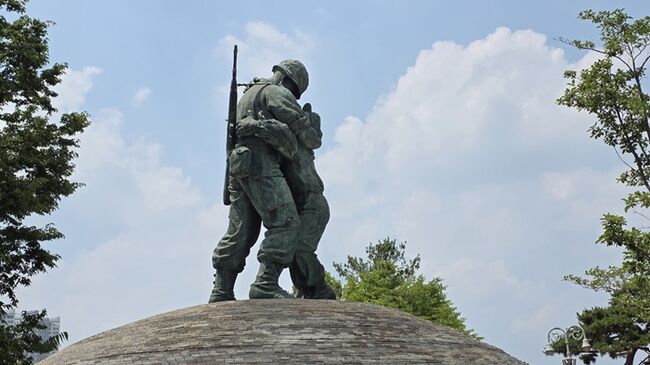
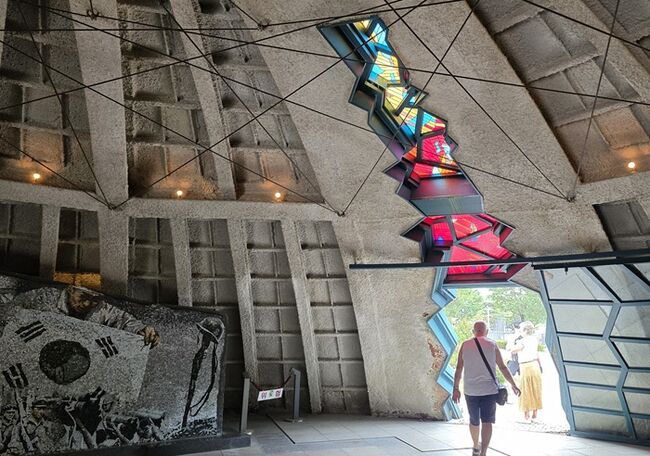 The exterior (top) and interior of the "Statue of the Brothers" at the entrance of the War Memorial. [Photo by Reporter Lim Yo-hee]
Even just hearing this much, those who are quick-witted might be reminded of the 2004 film "Taegukgi: The Brotherhood of War." Indeed, the film uses the story of these brothers as a motif to depict the tragedies of war. How did the brothers end up in such a tragic fate?
The brothers, Gyu-cheol and Yong-cheol, lived with their parents, who ran an orchard in Sinam-myeon, Pyeongsan-gun, Hwanghae-do. However, after the liberation, when Hwanghae-do fell under communist rule, their father was labeled a landlord and his orchard was confiscated after brutal torture. The eldest, Gyu-cheol, chose to flee to the South, while the younger, Yong-cheol, stayed behind to protect the family.
Then the Korean War broke out. Gyu-cheol, living in the South, joined the military and was deployed to the front lines, where he distinguished himself and was commissioned as a second lieutenant during wartime. Meanwhile, Yong-cheol in the North was also forcibly conscripted and deployed as a North Korean soldier.
The day in question involved a fierce battle at the Chiaksan Pass in Wonju. While leading his platoon in pursuit of North Korean forces, Gyu-cheol spotted a young soldier cowering on the ground in fear. He approached with the intent to capture him, but when he saw the boy soldier’s face...
The little soldier trembling in fear was, amazingly, his younger brother, Yong-cheol. When he shouted his brother's name, Yong-cheol, initially bewildered, recognized his brother and embraced him. The "Statue of the Brothers" depicts this very moment.
Afterward, it is said that Yong-cheol enlisted in the South Korean military on the spot and served alongside his brother. The story of the brothers became known to the world through a handwritten account by Ahn Man-ok, who had participated in the Battle of Chiak Pass.
The dome beneath the statue is modeled after the burial mounds of the Silla Dynasty, built using granite collected from all over the country. Inside the dome, mosaic artworks depicting the horrors of war decorate the walls like ancient tomb murals. The entrance is split on both sides, symbolizing that just as the two sides meet and heal into one at the current point, the North and South should also become one. Upon entering, one can also see stained glass that is invisible from the outside.
Harmony between green space and exhibition space
The "Clock Tower of Peace" at the parking lot entrance was built using scrap weapons from the war, such as tanks and artillery shells used by both the South and the North. Two clocks appear on this sculpture.
The standing girl holds a clock showing the current time, while the seated girl holds a clock pointing to 4:00 AM on June 25, 1950, when the war broke out. Another clock displayed next to the tower is intended to show the time of the day reunification occurs.
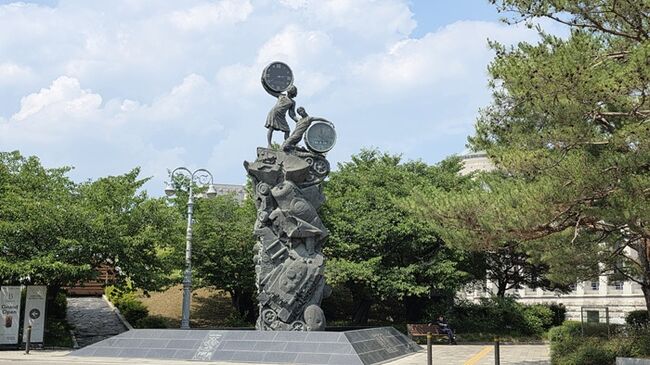 The "Clock Tower of Peace" standing at the parking lot entrance. [Photo by Reporter Lim Yo-hee]
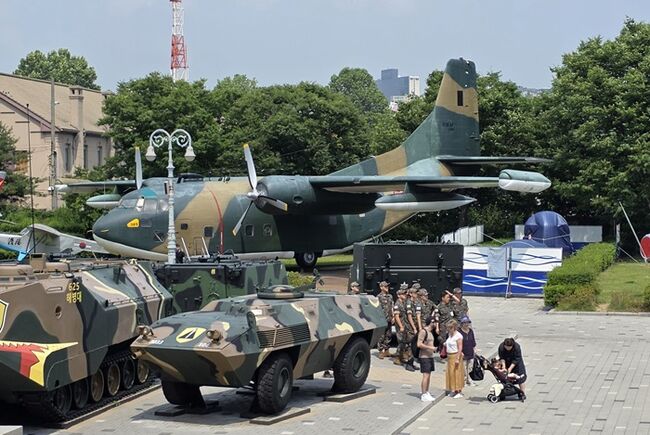 Outdoor Large Weapons Exhibition Area [Photo by Reporter Lim Yo-hee]
The "6·25 Monument," which can be called the face of the War Memorial, is a figure where a bronze sword and a tree of life are conjoined. The bronze sword represents the martial spirit, while the tree of life symbolizes the peace and prosperity of the Korean people. Beneath it, the 38 "Statues of Patriotic Soldiers" represent various walks of life who participated in the Korean War, demonstrating the sacrificial and patriotic spirit of our ancestors.
On the way from the main building to the Children's Museum, there is a cloister of the monument to the fallen. It is "a space of remembrance engraved with the names of South Korean soldiers and police officers who died from the founding of the military through the Korean War, the Vietnam War, and subsequent anti-infiltration operations, as well as the fallen UN soldiers from 22 countries." It is also the first place visited by state guests from participating countries visiting the Republic of Korea to pay their respects.
The "Monument to the UN Participating Countries," installed in 2015 to mark the 70th anniversary of the founding of the UN forces, is reminiscent of the "Garden of Gratitude" in Gwanghwamun. Centered around the UN flag and the Taegeukgi, monuments symbolizing the 22 countries are lined up on both sides of the main building. They are arranged in the order of the date they joined the Korean War, and each monument is engraved with the country's name, details of their participation, and a memorial message in both the respective country's language and Korean.
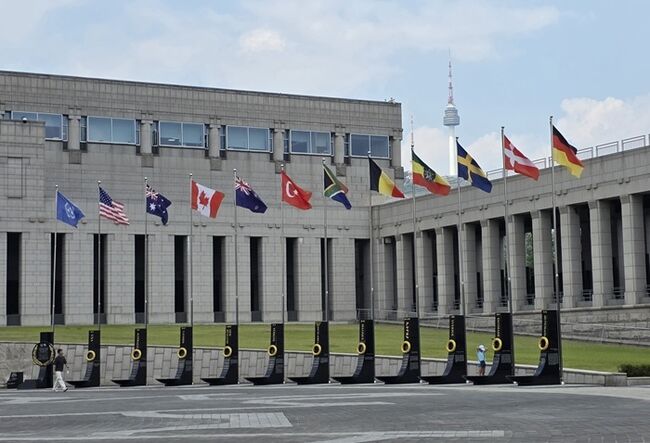 The "Monument to the UN Participating Countries" installed in 2015 for the 70th anniversary of the UN forces. [Photo by Reporter Lim Yo-hee]
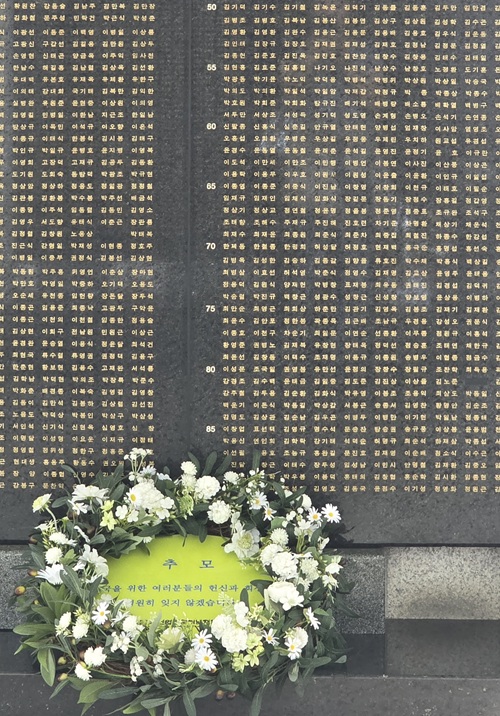 The cloister of the monument to the fallen on the path from the main building to the Children's Museum. [Photo by Reporter Lim Yo-hee]
In the main building’s Large Weapons Room and the outdoor exhibition area, you can encounter tanks, armored vehicles, and aircraft that actually participated in the war. Notably, the "Buwhal-ho" (Resurrection) in the outdoor exhibition is the first domestically produced aircraft developed by the Air Force Technical School in 1953, to which President Syngman Rhee dedicated his own calligraphy reading "Revival."
It was used by the Air Force as a liaison and training aircraft, but its whereabouts were unknown after 1955, until it was successfully restored in 2004. Although it is a restoration, it was designated as a Registered Cultural Heritage in 2008 in recognition of its historical value.
The War Memorial of Korea is open from 9:30 AM to 6:00 PM and is closed every Monday. If Monday is a public holiday, it is closed the following day. Admission is free. It is directly connected to Exit 12 of Samgakji Station.
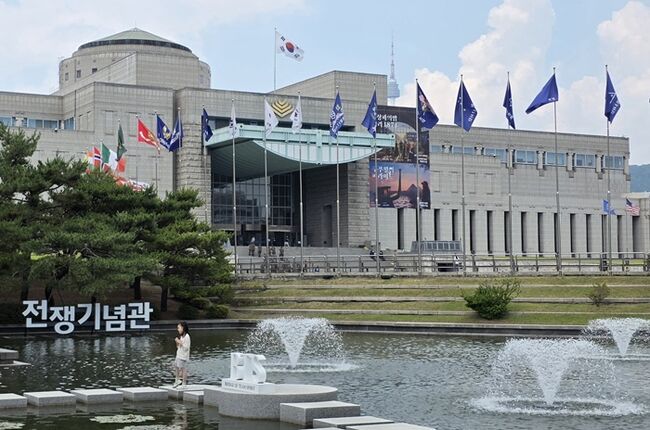 The War Memorial of Korea main building and fountain [Photo by Reporter Lim Yo-hee]
Reporter Lim Yo-hee

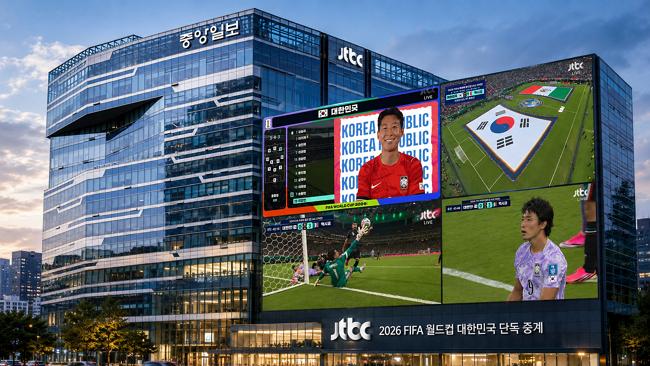 [Analysis] JTBC World Cup Broadcast Controversy: “Will It Escalate into an Infringement on Universal Viewing Rights?”
A composite image showing the JTBC/JoongAng Group headquarters alongside a World Cup broadcast screen. The issue of unpaid broadcasting rights during corporate rehabilitation proceedings is evol
[Analysis] JTBC World Cup Broadcast Controversy: “Will It Escalate into an Infringement on Universal Viewing Rights?”
A composite image showing the JTBC/JoongAng Group headquarters alongside a World Cup broadcast screen. The issue of unpaid broadcasting rights during corporate rehabilitation proceedings is evol
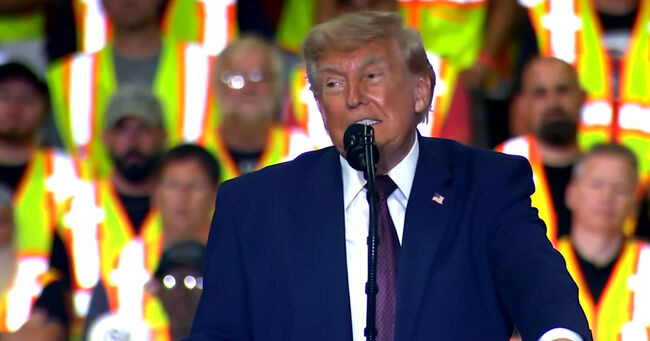 Trump mentions possibility of running again: "I'd like to do that!"
On the 23rd (local time), U.S. President Donald Trump drew attention by making a joking remark about wanting to run for office again, despite being ineligible to do so.Throughout his second term, Trum
Trump mentions possibility of running again: "I'd like to do that!"
On the 23rd (local time), U.S. President Donald Trump drew attention by making a joking remark about wanting to run for office again, despite being ineligible to do so.Throughout his second term, Trum
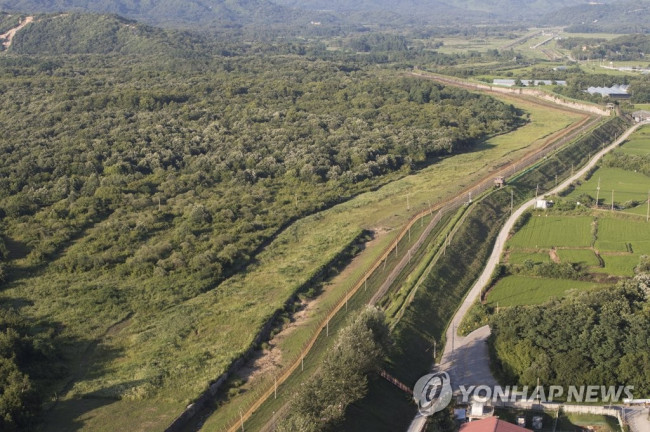 Military secures one North Korean soldier in Cheorwon last night… expresses desire to defect
DMZ on the central front in Cheorwon-gun, Gangwon-do [Yonhap News file photo]The Joint Chiefs of Staff (JCS) announced on the 24th that it had secured custody of one North Korean soldier who crossed t
Military secures one North Korean soldier in Cheorwon last night… expresses desire to defect
DMZ on the central front in Cheorwon-gun, Gangwon-do [Yonhap News file photo]The Joint Chiefs of Staff (JCS) announced on the 24th that it had secured custody of one North Korean soldier who crossed t
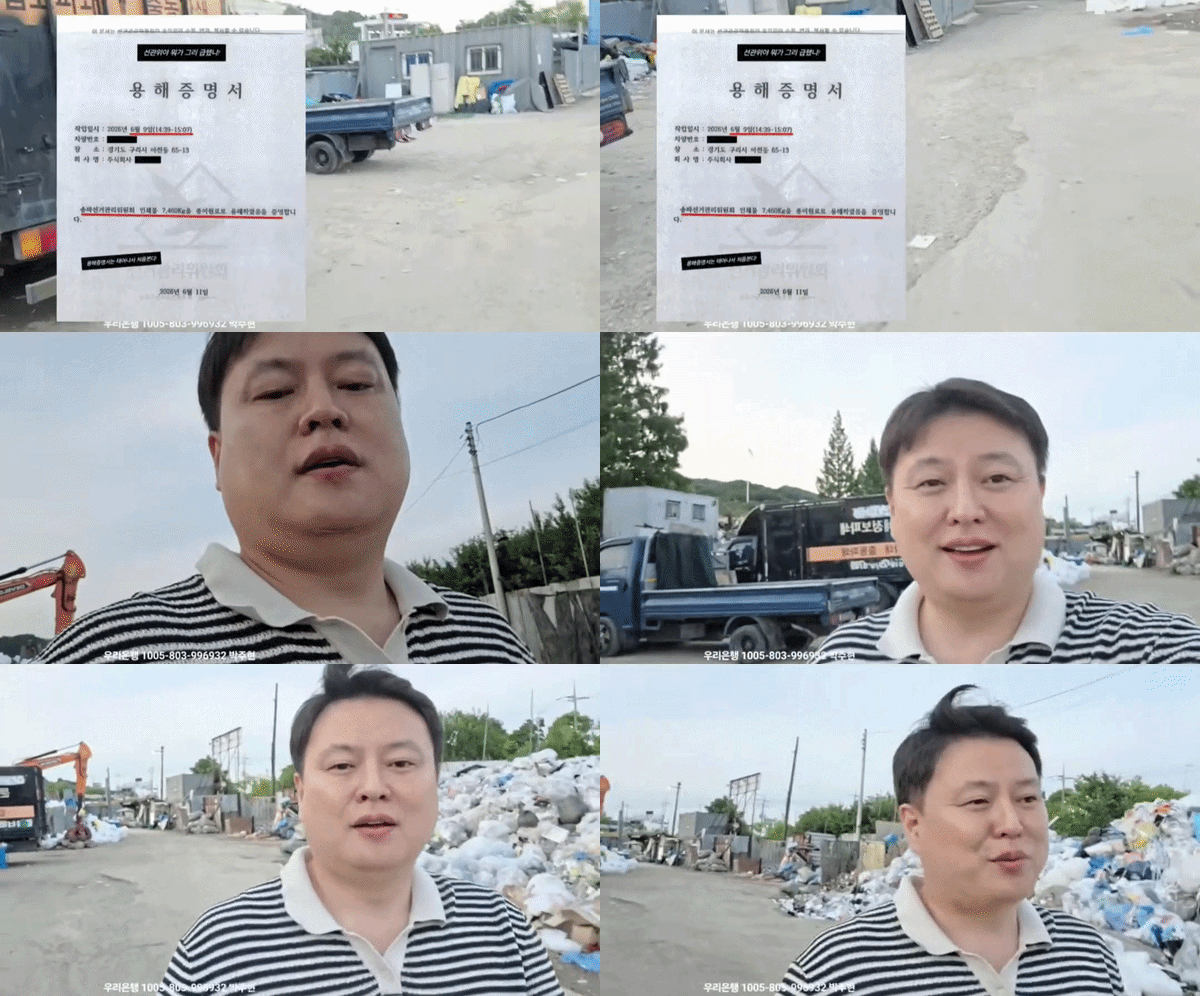 Attorney Park Joo-hyun visits the ‘dissolution’ site, raising suspicions of “an attempt at perfect evidence destruction.”
Attorney Park Joo-hyun visited a company that dissolved election-related printed materials from a Jamsil polling station on the 23rd. [YouTube GIF]Attorney Park Joo-hyun, who visited a paper dis
Attorney Park Joo-hyun visits the ‘dissolution’ site, raising suspicions of “an attempt at perfect evidence destruction.”
Attorney Park Joo-hyun visited a company that dissolved election-related printed materials from a Jamsil polling station on the 23rd. [YouTube GIF]Attorney Park Joo-hyun, who visited a paper dis
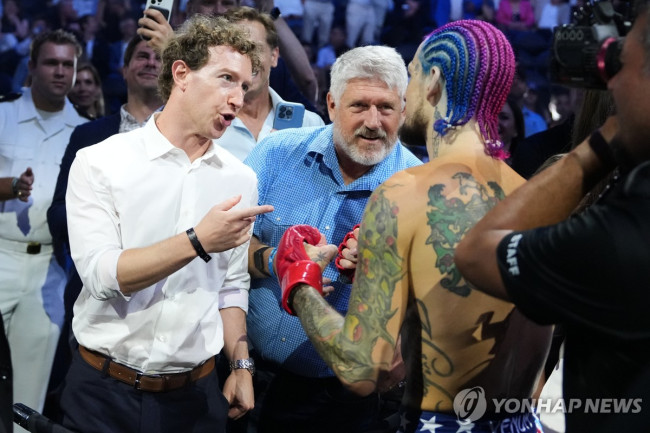 Zuckerberg Eyes $150 Billion Prediction Market; Orders Development of New App 'Arena'
Meta CEO Mark Zuckerberg (left) [AP=Yonhap News file photo]Meta is reportedly planning to enter the prediction market space, similar to Polymarket and Kalshi.The New York Times reported on the 23rd (l
Zuckerberg Eyes $150 Billion Prediction Market; Orders Development of New App 'Arena'
Meta CEO Mark Zuckerberg (left) [AP=Yonhap News file photo]Meta is reportedly planning to enter the prediction market space, similar to Polymarket and Kalshi.The New York Times reported on the 23rd (l
 [Photo] Freedom High School Alliance installs banner in Gangdong-gu, Seoul: "June 3rd Fraudulent Election Rerun, In-person Voting, On-site Counting"
The Korea High School Union installed a banner in the Gangdong-gu district of Seoul on the 21st with the slogan "June 3rd Fraudulent Election Re-election, Same-Day Vote Count." The banner also states,
[Photo] Freedom High School Alliance installs banner in Gangdong-gu, Seoul: "June 3rd Fraudulent Election Rerun, In-person Voting, On-site Counting"
The Korea High School Union installed a banner in the Gangdong-gu district of Seoul on the 21st with the slogan "June 3rd Fraudulent Election Re-election, Same-Day Vote Count." The banner also states,
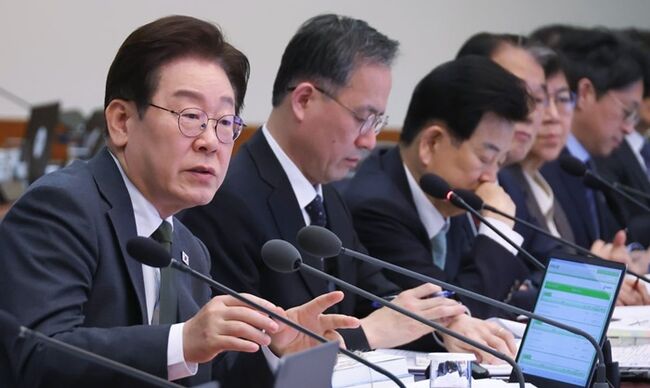 [Open Letter from Reporter Lee Sang-ro] “Whether you are dragged down or step down on your own, only the choice remains”
[Photo=Yonhap News]To: President Lee Jae-myung You have recently been repeating the statement, “There was no fraud in the June 3 local elections. I will strictly punish fake news.” However, t
[Open Letter from Reporter Lee Sang-ro] “Whether you are dragged down or step down on your own, only the choice remains”
[Photo=Yonhap News]To: President Lee Jae-myung You have recently been repeating the statement, “There was no fraud in the June 3 local elections. I will strictly punish fake news.” However, t
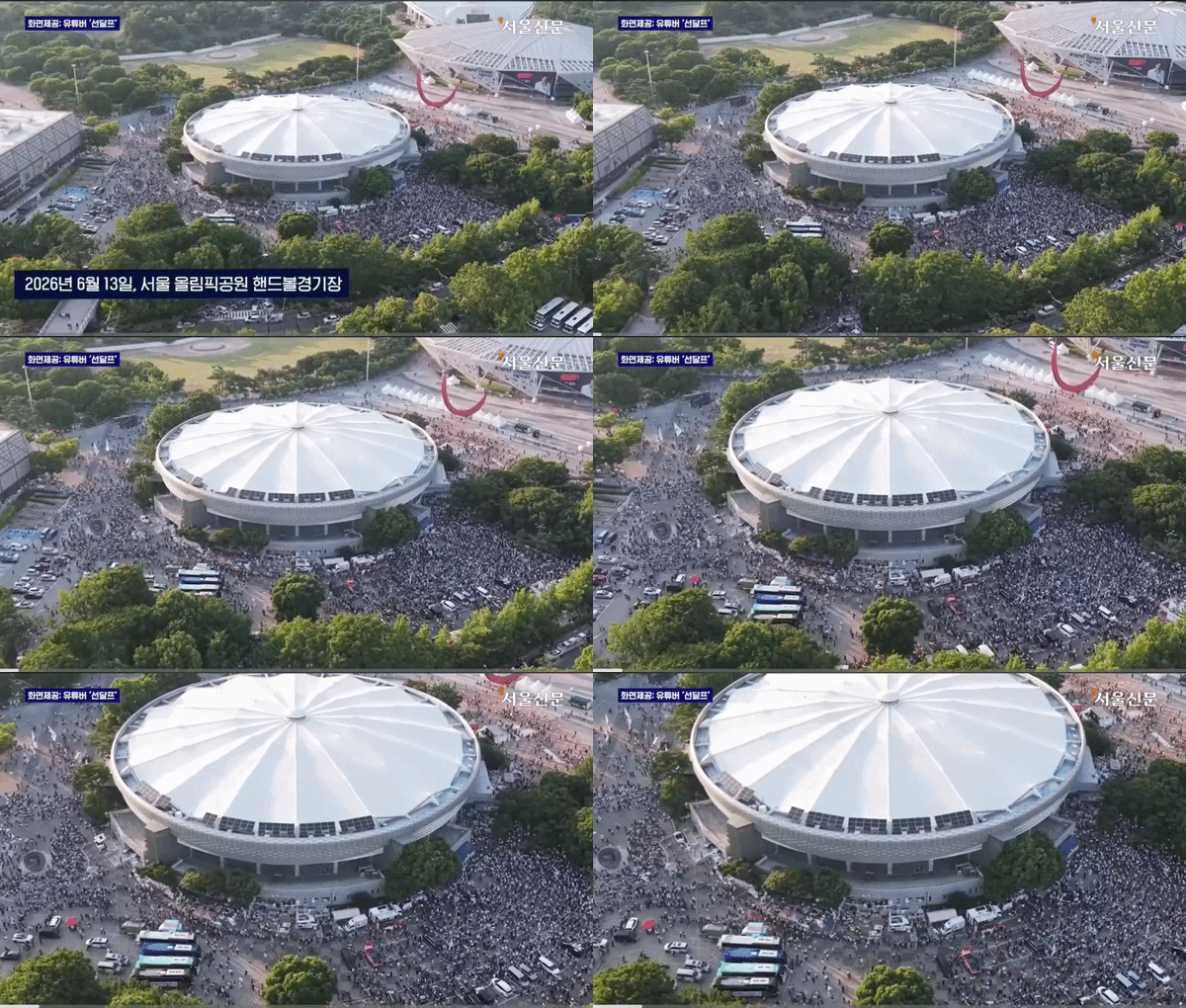 [Video] The Scene of the 'Jamsil Democratization Movement' as Seen from the Sky
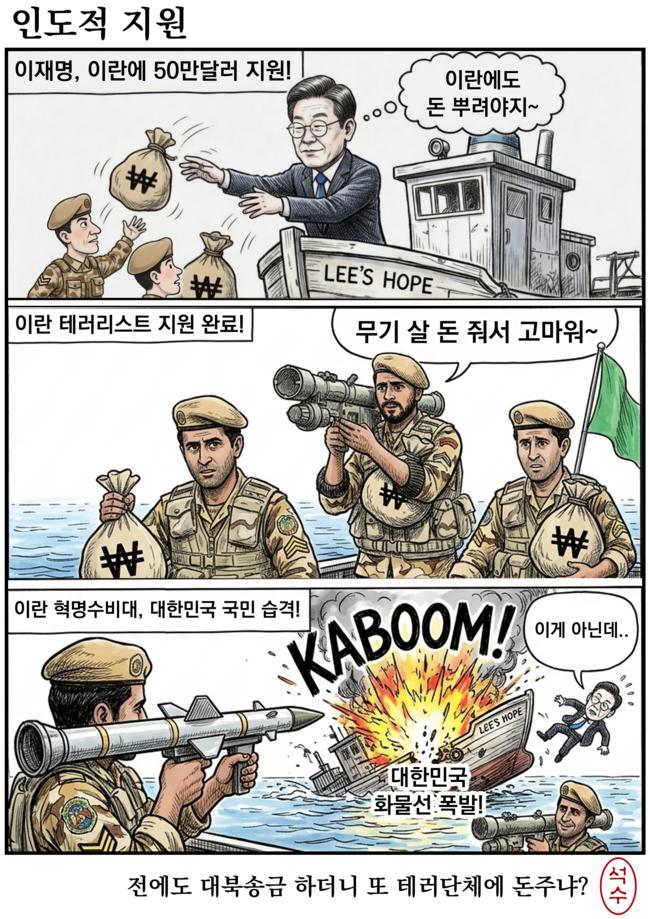 [Editorial Cartoon] Humanitarian Aid

 List
List