US California power grid [Reuters=Yonhap News File Photo]
Amid persistent concerns that critical infrastructure could be vulnerable to external attacks, U.S. President Donald Trump signed an executive order on the 26th (local time) to ban the import of certain foreign-made power equipment to protect the nation's power grid.
According to foreign media outlets including Bloomberg and AFP, President Trump explained the reasoning behind the order, stating, "The rapid growth of advanced manufacturing, data centers, artificial intelligence, and defense production has increased reliance on abundant and reliable electricity," and adding that "the repercussions would be significant if an attack on the bulk power system were successful or if the power supply were disrupted."
The executive order includes provisions prohibiting the purchase, import, or installation of certain imported components used in high-voltage transmission lines, substations, and power plants.
These measures apply to countries subject to U.S. arms embargoes, those under sanctions, or nations deemed by the U.S. government to be acting against U.S. interests.
The move is widely seen as being effectively targeted at Chinese-made power equipment. The AFP reported, "Although China was not explicitly mentioned in the executive order, Chinese-made power components have been a point of concern for U.S. security officials for years."
Bloomberg also noted that there have been persistent concerns from both U.S. political parties that Chinese components used in the U.S. power system could be exploited by hostile foreign actors.
According to the International Energy Agency (IEA), China accounts for approximately 80% of global production of batteries and solar inverters. In 2020, the U.S. Department of Commerce stated that a significant number of large Chinese-made transformers had been imported into the United States over the past decade.
Power equipment such as solar inverters can be monitored and controlled remotely, posing a risk that they could be easily exposed to cyberattacks.
To protect its critical infrastructure, the U.S. has compiled a "Covered List"—a roster of companies that pose a threat to national security—and has been restricting the operations of several Chinese firms by including them on this list.
In 2021, the U.S. Federal Communications Commission (FCC) added Chinese telecommunications equipment companies such as Huawei and ZTE to this list, and starting the following year, it banned the sale of equipment from these companies within the United States.
The Chinese government immediately protested.
Lin Jian, spokesperson for the Chinese Ministry of Foreign Affairs, said in a briefing on the 27th, "China has consistently opposed the practice of overstretching the concept of national security to suppress companies from other countries," adding, "We hope that the United States will provide a fair, just, and non-discriminatory environment for the operations of companies from all countries."
What do you think of this article?

 [Analysis] Is a ‘Win-Win’ Possible for the U.S. and Venezuela?
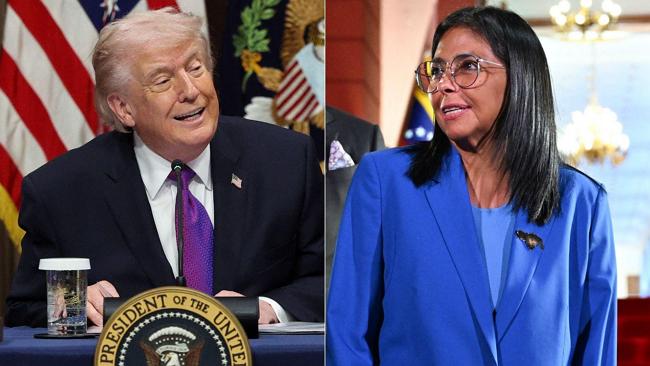
U.S. President Donald Trump and Venezuelan Interim President Delcy Rodríguez. The U.S. government has secured a 35% stake in the parent company of the private oil firm NABEP and the rights to acquire
[Analysis] Is a ‘Win-Win’ Possible for the U.S. and Venezuela?
U.S. President Donald Trump and Venezuelan Interim President Delcy Rodríguez. The U.S. government has secured a 35% stake in the parent company of the private oil firm NABEP and the rights to acquire
 PPP's general meeting fails to adopt 'People's Voting Rights Protection Act' as party platform; agrees to further discussions
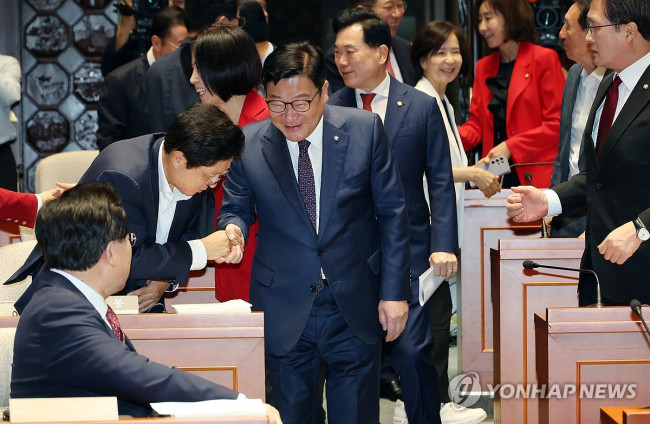
Floor Leader Jeong Jeom-sik attending the policy general meeting of lawmakers [Seoul=Yonhap News]On the 3rd, the People Power Party planned to adopt as a party platform a bill to reform the National E
PPP's general meeting fails to adopt 'People's Voting Rights Protection Act' as party platform; agrees to further discussions
Floor Leader Jeong Jeom-sik attending the policy general meeting of lawmakers [Seoul=Yonhap News]On the 3rd, the People Power Party planned to adopt as a party platform a bill to reform the National E
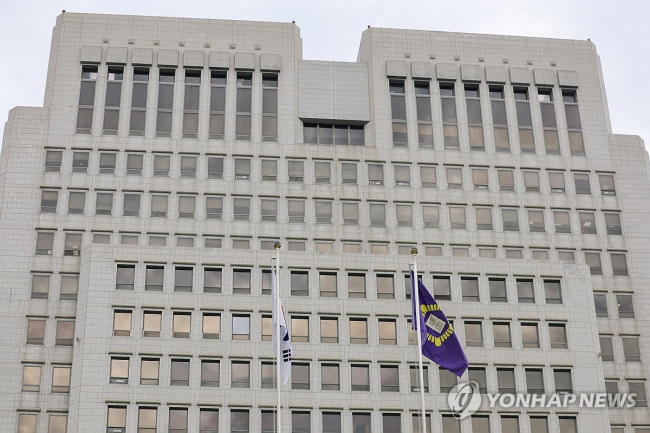 27 legal professionals from the Seoul National University Law School class of '76: "The Blue House’s demand for the reappointment of Supreme Court Justices is unjust."
The Supreme Court of Korea [Seoul=Yonhap News] Twenty-seven legal professionals from the Seoul National University College of Law's class of '76 issued a joint statement on the 3rd, criticizing P
27 legal professionals from the Seoul National University Law School class of '76: "The Blue House’s demand for the reappointment of Supreme Court Justices is unjust."
The Supreme Court of Korea [Seoul=Yonhap News] Twenty-seven legal professionals from the Seoul National University College of Law's class of '76 issued a joint statement on the 3rd, criticizing P
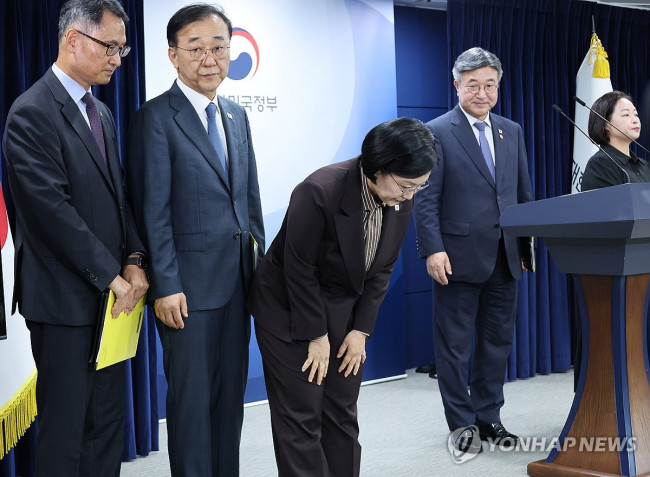 Relocation of Public Institutions to Begin Next Year… "Minimize Retention in Capital Region, Reduce 109 Institutions"
The government will begin the full-scale relocation of administrative and public institutions starting in the first half of next year.It is also launching reforms to reduce the number of public instit
Relocation of Public Institutions to Begin Next Year… "Minimize Retention in Capital Region, Reduce 109 Institutions"
The government will begin the full-scale relocation of administrative and public institutions starting in the first half of next year.It is also launching reforms to reduce the number of public instit
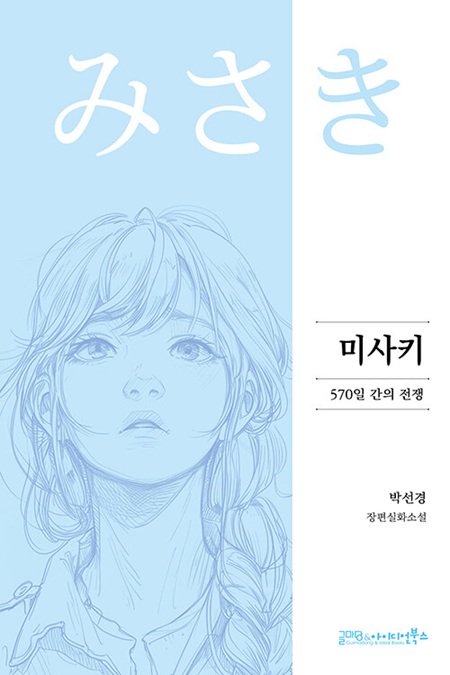 [New Book] The True Face of the Ivory Tower Hidden in the Shadow of Power… Park Sun-kyung’s ‘Misaki’
The university campus, often called a sanctuary of intellect. A new novel has been published that sharply dissects the hypocrisy and absurdity committed within those solid walls of power. &
[New Book] The True Face of the Ivory Tower Hidden in the Shadow of Power… Park Sun-kyung’s ‘Misaki’
The university campus, often called a sanctuary of intellect. A new novel has been published that sharply dissects the hypocrisy and absurdity committed within those solid walls of power. &
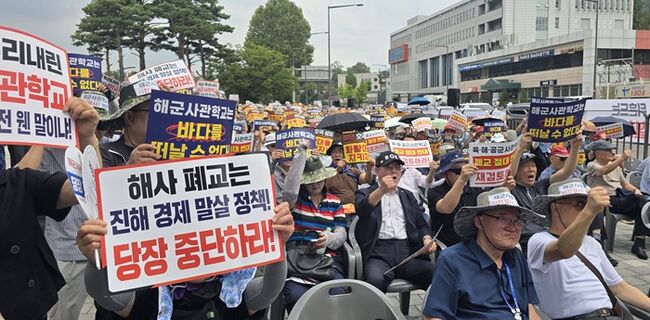 [Photo] “We Oppose the Closing of the Military Academy”… Large-Scale Protest Held in Front of the War Memorial on the 26th
The "National Solidarity for Preventing the Closure of Military Academies" held a rally to protest the closure of military academies at the plaza in front of the War Memorial of Korea in Samgakji, Seo
[Photo] “We Oppose the Closing of the Military Academy”… Large-Scale Protest Held in Front of the War Memorial on the 26th
The "National Solidarity for Preventing the Closure of Military Academies" held a rally to protest the closure of military academies at the plaza in front of the War Memorial of Korea in Samgakji, Seo
 [Trending Destinations] The Leisure of Seoul's Hangang Bus and the Romance of Hong Kong's Star Ferry
Hannam Bridge viewed from the Hangang Bus. [Video = Reporter Lim Yo-hee]With the introduction of the Hangang Bus, Seoul—which previously lacked sufficient water-based public transport—has gained a
[Trending Destinations] The Leisure of Seoul's Hangang Bus and the Romance of Hong Kong's Star Ferry
Hannam Bridge viewed from the Hangang Bus. [Video = Reporter Lim Yo-hee]With the introduction of the Hangang Bus, Seoul—which previously lacked sufficient water-based public transport—has gained a
 [Jung Jae-hak’s From Jeolla-do] Listening to Patti Kim’s ‘Song of September’
Today, as it has been all day long, the heat wave has been sculpting clouds, and the wind has been gathering them. Thus, from the early evening through the night, the sound of rain persists.&nbs
[Jung Jae-hak’s From Jeolla-do] Listening to Patti Kim’s ‘Song of September’
Today, as it has been all day long, the heat wave has been sculpting clouds, and the wind has been gathering them. Thus, from the early evening through the night, the sound of rain persists.&nbs
 [Issue Commentary] 3 Reasons Why the Lee Jae-myung Trial Must Proceed
 [Editorial Cartoon] A Draconian Law That Undermines Freedom of Expression

 List
List