In a liberal democracy, the president is not a monarch, and cabinet ministers are not vassals. Therefore, the criteria for cabinet reshuffles are clear: competence, responsibility, and loyalty to the Constitution and the state must take precedence over personal relationships or political allegiance.
The longer power is held, the more a leader seeks "reliable people." In the early days of an administration, the focus is on expertise and impartiality; as political burdens grow, however, the leader begins to prioritize close confidants. Those who offer dissenting opinions are pushed away, while those who can easily read the leader's intentions are drawn closer. This is the moment a cabinet begins to lean toward defending power rather than governing the state.
This is precisely where the difference between liberal democracy and authoritarianism emerges. Authoritarianism demands loyalty to the person, whereas liberal democracy demands loyalty to the Constitution and its institutions. If the president's intentions clash with the law, a minister must follow the law. If the interests of the regime conflict with the interests of the state, the state must come first. The moment this is viewed as betrayal, a minister of the republic is reduced to a servant of the ruler.
A ruler needs ministers capable of opposing them. They must report that a policy is wrong when it is, and they must point out when a plan is financially unfeasible. For the purpose of state affairs, one person who speaks uncomfortable truths is far more useful than ten who simply say what is pleasing to hear. The ability to accept dissent is itself a core component of governance.
Policy failures must be met with accountability. However, authority and responsibility must be aligned. If a minister made the decision, the minister must take responsibility; if the presidential office made it, the office must take responsibility. Deciding everything from above only to sacrifice a single minister when problems arise is not responsible politics; it is the shifting of responsibility.
The reshuffling of cronies into different positions can hardly be called a cabinet reshuffle. If campaign cronies and close associates simply rotate among positions as ministers, agency heads, or committee chairs, only the business cards change—the structure of power remains the same. Especially as an administration moves into its later stages, the temptation to find people who will protect the regime rather than those who can govern well becomes stronger. At that moment, public office ceases to be a position entrusted by the people and transforms into a bunker for defending the regime.
It is for this very reason that liberalism trusts institutions over the good intentions of a ruler. The reasons we disperse power, limit terms, and institute checks by the legislature, judiciary, and media are because we cannot expect only good rulers to appear. The essence of liberal democracy does not lie in concentrating power in the hands of "good people." It lies in ensuring that no matter who holds power, they cannot privatize it.
Cabinet reshuffles must follow the same principle. Those who have failed must be held accountable, the most competent people must be placed in necessary positions, and those capable of speaking uncomfortable truths to the ruler must be kept nearby. This is how personnel management can serve as a true instrument of governance.
The success or failure of a cabinet reshuffle does not lie in the number of new ministers. It does not matter how many of the president’s "own people" are brought in. What matters is whom the power is using these people for.
If you choose people for the sake of the regime, you are left with loyalists.
If you choose people for the sake of the nation, you are left with talent.
A cabinet reshuffle in a liberal democracy is not about installing loyalists; it is about installing those who will prioritize the state over the holders of power. That is the principle of personnel management, and at the same time, it is the measure of a leader’s stature.
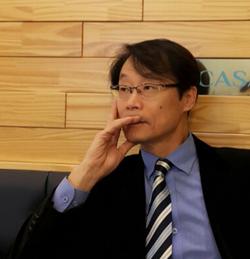
◆ Songsan Jeong Kwang-je
A current affairs columnist, poet, and researcher of history and philosophy. He served as a board member of the Syngman Rhee Institute and as the representative of the philosophy forum "Lyceum." Currently, he serves as a research advisor for the Korea Modern and Contemporary History Research Association and as Secretary-General of the Liberal Writers' Association. He is the author of four books, including the poetry collection "At the Very Least, in the Heart," and co-translator of "The Heroes of Heartbreak Ridge." His humanities works include "Joseon Become Myth," "Humanities on the Tatami," "A Liberal's Reading of Gramsci," and "The World of Literature and Thought."

 [Analysis] Is a ‘Win-Win’ Possible for the U.S. and Venezuela?
U.S. President Donald Trump and Venezuelan Interim President Delcy Rodríguez. The U.S. government has secured a 35% stake in the parent company of the private oil firm NABEP and the rights to acquire
[Analysis] Is a ‘Win-Win’ Possible for the U.S. and Venezuela?
U.S. President Donald Trump and Venezuelan Interim President Delcy Rodríguez. The U.S. government has secured a 35% stake in the parent company of the private oil firm NABEP and the rights to acquire
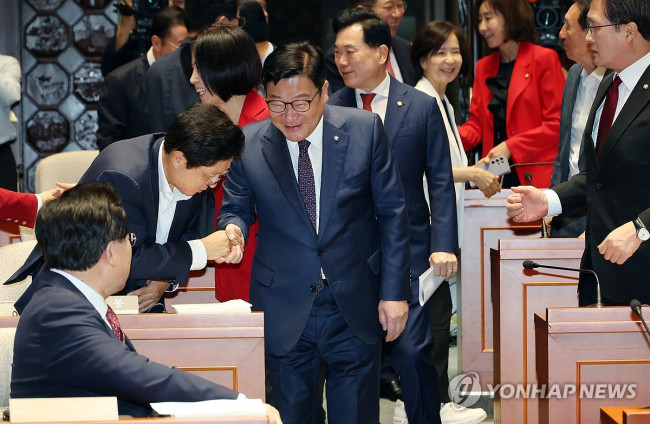 PPP's general meeting fails to adopt 'People's Voting Rights Protection Act' as party platform; agrees to further discussions
Floor Leader Jeong Jeom-sik attending the policy general meeting of lawmakers [Seoul=Yonhap News]On the 3rd, the People Power Party planned to adopt as a party platform a bill to reform the National E
PPP's general meeting fails to adopt 'People's Voting Rights Protection Act' as party platform; agrees to further discussions
Floor Leader Jeong Jeom-sik attending the policy general meeting of lawmakers [Seoul=Yonhap News]On the 3rd, the People Power Party planned to adopt as a party platform a bill to reform the National E
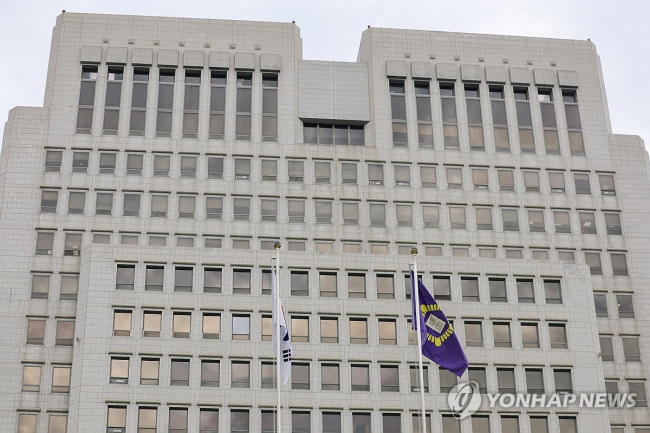 27 legal professionals from the Seoul National University Law School class of '76: "The Blue House’s demand for the reappointment of Supreme Court Justices is unjust."
The Supreme Court of Korea [Seoul=Yonhap News] Twenty-seven legal professionals from the Seoul National University College of Law's class of '76 issued a joint statement on the 3rd, criticizing P
27 legal professionals from the Seoul National University Law School class of '76: "The Blue House’s demand for the reappointment of Supreme Court Justices is unjust."
The Supreme Court of Korea [Seoul=Yonhap News] Twenty-seven legal professionals from the Seoul National University College of Law's class of '76 issued a joint statement on the 3rd, criticizing P
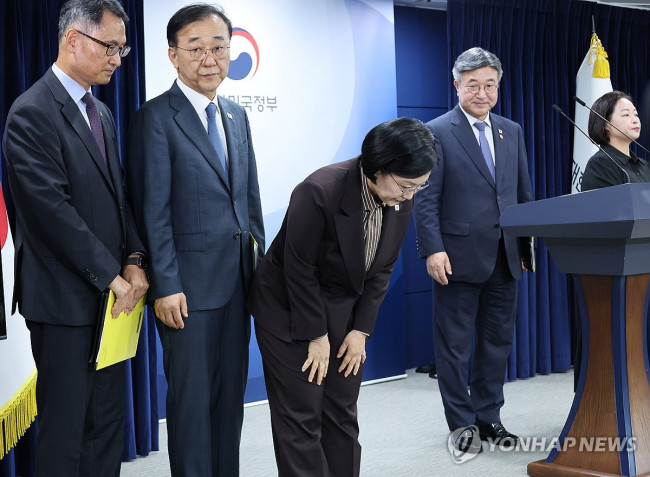 Relocation of Public Institutions to Begin Next Year… "Minimize Retention in Capital Region, Reduce 109 Institutions"
The government will begin the full-scale relocation of administrative and public institutions starting in the first half of next year.It is also launching reforms to reduce the number of public instit
Relocation of Public Institutions to Begin Next Year… "Minimize Retention in Capital Region, Reduce 109 Institutions"
The government will begin the full-scale relocation of administrative and public institutions starting in the first half of next year.It is also launching reforms to reduce the number of public instit
 [New Book] The True Face of the Ivory Tower Hidden in the Shadow of Power… Park Sun-kyung’s ‘Misaki’
The university campus, often called a sanctuary of intellect. A new novel has been published that sharply dissects the hypocrisy and absurdity committed within those solid walls of power. &
[New Book] The True Face of the Ivory Tower Hidden in the Shadow of Power… Park Sun-kyung’s ‘Misaki’
The university campus, often called a sanctuary of intellect. A new novel has been published that sharply dissects the hypocrisy and absurdity committed within those solid walls of power. &
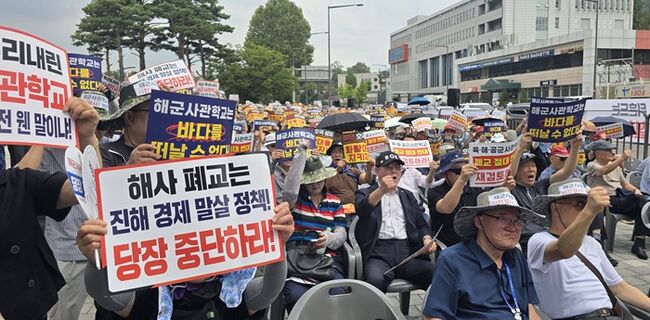 [Photo] “We Oppose the Closing of the Military Academy”… Large-Scale Protest Held in Front of the War Memorial on the 26th
The "National Solidarity for Preventing the Closure of Military Academies" held a rally to protest the closure of military academies at the plaza in front of the War Memorial of Korea in Samgakji, Seo
[Photo] “We Oppose the Closing of the Military Academy”… Large-Scale Protest Held in Front of the War Memorial on the 26th
The "National Solidarity for Preventing the Closure of Military Academies" held a rally to protest the closure of military academies at the plaza in front of the War Memorial of Korea in Samgakji, Seo
 [Trending Destinations] The Leisure of Seoul's Hangang Bus and the Romance of Hong Kong's Star Ferry
Hannam Bridge viewed from the Hangang Bus. [Video = Reporter Lim Yo-hee]With the introduction of the Hangang Bus, Seoul—which previously lacked sufficient water-based public transport—has gained a
[Trending Destinations] The Leisure of Seoul's Hangang Bus and the Romance of Hong Kong's Star Ferry
Hannam Bridge viewed from the Hangang Bus. [Video = Reporter Lim Yo-hee]With the introduction of the Hangang Bus, Seoul—which previously lacked sufficient water-based public transport—has gained a
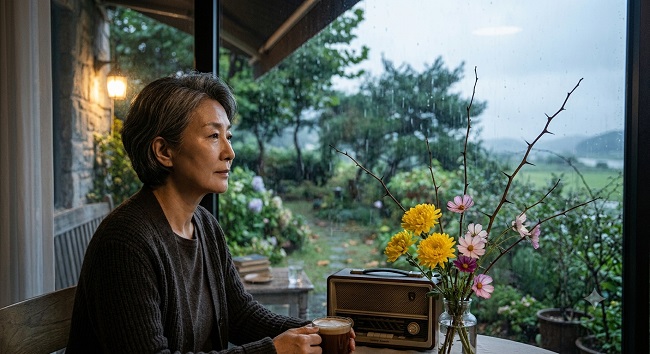 [Jung Jae-hak’s From Jeolla-do] Listening to Patti Kim’s ‘Song of September’
Today, as it has been all day long, the heat wave has been sculpting clouds, and the wind has been gathering them. Thus, from the early evening through the night, the sound of rain persists.&nbs
[Jung Jae-hak’s From Jeolla-do] Listening to Patti Kim’s ‘Song of September’
Today, as it has been all day long, the heat wave has been sculpting clouds, and the wind has been gathering them. Thus, from the early evening through the night, the sound of rain persists.&nbs
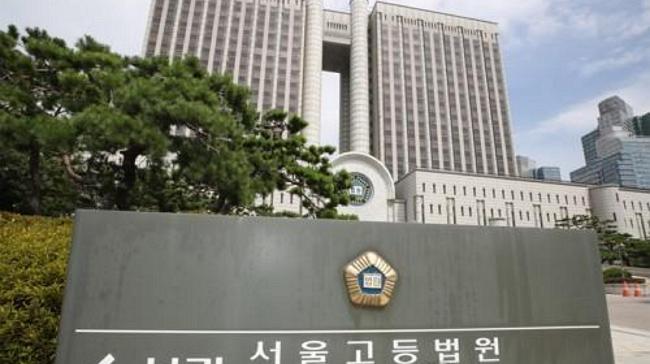 [Issue Commentary] 3 Reasons Why the Lee Jae-myung Trial Must Proceed
 [Editorial Cartoon] A Draconian Law That Undermines Freedom of Expression

 List
List