
The moment people are diagnosed with diabetes at a hospital, they often fall into deep despair. It is common to resign oneself, thinking, "I have to take medication for the rest of my life," or "My days of enjoying delicious food are over." However, it is too early to be discouraged.
Instead of relying on the complicated and abstract medical terms we are accustomed to—such as Type 1, Type 1.5, and Type 2 diabetes—if we look at it through the intuitive criteria of "whether the pancreas is damaged or not," we can see a clear path to overcoming diabetes.
Do I have the type of diabetes that requires medication, or is it manageable without it?
Surprisingly, 85% of all diabetic patients have a type where the pancreas is not damaged, meaning that it is entirely possible to fully recover without medication simply by changing one's lifestyle. So, where do you fall? Let’s look at how to self-diagnose.
First, "pancreas-damaged" diabetes, which accounts for 15% of all cases, occurs when there is a problem with the pancreatic cells that secrete insulin. This is clearly indicated by the "3-poly, 1-loss" symptoms: polyphagia (excessive eating), polydipsia (excessive thirst), polyuria (excessive urination), and rapid weight loss.
Because insulin secretion is impaired, patients experience severe fatigue, and sugar levels in the urine are typically very high. The pancreas-damaged type is primarily represented by congenital pancreatic damage (Type 1 diabetes) and childhood diabetes, which manifests before the age of 10.
In other words, the pancreas’s insulin-secreting function was inherently inefficient from birth. In terms of proportions, less than 1% are cases of congenital pancreatic deformity, and about 1.5% are diabetes caused by autoimmune diseases. This type should be approached not as a "cure," but as a matter of "lifelong management."
You must artificially supplement insulin (via injections, insulin pumps, etc.) from the outside to prevent complications and maintain a healthy life. This is an area where one must actively utilize the assistance of modern medicine. However, in the case of autoimmune-related diabetes, there is hope for recovery if you address issues like leaky gut syndrome and undergo consistent detoxification treatment.
85% of diabetic patients have a type where the pancreas is not damaged
The second type is acquired pancreatic damage (Type 1.5 diabetes), which accounts for 12.8% of diabetic patients. This occurs when the pancreas becomes damaged later in life due to extreme, unmanageable stress (such as business failure or the death of a family member) or excessive alcohol consumption. You might suddenly lose weight, feel thirsty, and notice foamy urine; upon visiting a hospital, you find your fasting blood glucose levels have spiked to 200–300 mg/dL or higher.
However, pancreatic cells are among the most difficult cells in the human body to regenerate, alongside those in the brain and kidneys. Because it takes a long time to recover once they are damaged, you must avoid being impatient. Younger individuals need at least 6 months to a year, while older individuals may need 1.5 to 2 years of long-term intensive treatment combined with lifestyle management to see gradual recovery.
Finally, there is the pancreas-undamaged type, which accounts for 85% of all cases. Often called "obesity-linked diabetes," the majority of diabetic patients fall into this "Type 2 diabetes" category.
This type shows the exact opposite pattern of the pancreas-damaged type. Before or after a diagnosis, there are almost no subjective symptoms like extreme thirst, overeating, polyuria, or weight loss; in fact, there is often a tendency to continue gaining weight. In many cases, sugar is not even detected in the urine.
Usually, these individuals are diagnosed with diabetes by chance during a general check-up after being told, "Your blood test shows high sugar levels, so you need to take diabetes medication." In essence, this type does not mean the pancreas is broken.
Insulin is being produced adequately by the pancreas, but the body is in a state of "insulin resistance," where cells cannot accept the insulin due to poor dietary habits and obesity. In this case, since the pancreas is perfectly functional, you can fully return to normal blood sugar levels without medication simply by reverting your poor lifestyle habits.
Just as the fog lifts and the sun rises when you understand the cause, the path to treatment becomes clear. In the next part, I will reveal specific treatments for pancreas-undamaged diabetes.
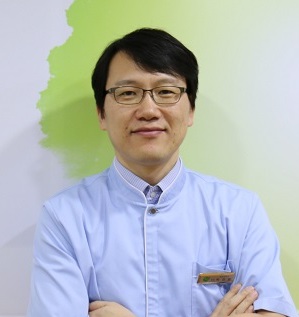
◆ Director Park Chan-young
Director of Eoseongcho Korean Medicine Clinic in Sadang-dong, Seoul. Holds a Doctorate in Korean Medicine from Dongguk University. He created a "detox sensation" in South Korea through appearances on TV health programs such as MBN’s "The King of Thumbs." He is the author of books including "Curing Atopy and Acne with Eoseongcho," "Seasoning is Medicine," and "The Miracle of Detox."

 U.S. Military: "Iran maritime blockade remains in effect… 2 vessels neutralized, 12 forced to change course"
Gulf of Oman [AFP=Yonhap News]The U.S. military announced on the 25th (local time) that it is maintaining a full maritime blockade against Iran.U.S. Central Command (CENTCOM), which oversees the Middl
U.S. Military: "Iran maritime blockade remains in effect… 2 vessels neutralized, 12 forced to change course"
Gulf of Oman [AFP=Yonhap News]The U.S. military announced on the 25th (local time) that it is maintaining a full maritime blockade against Iran.U.S. Central Command (CENTCOM), which oversees the Middl
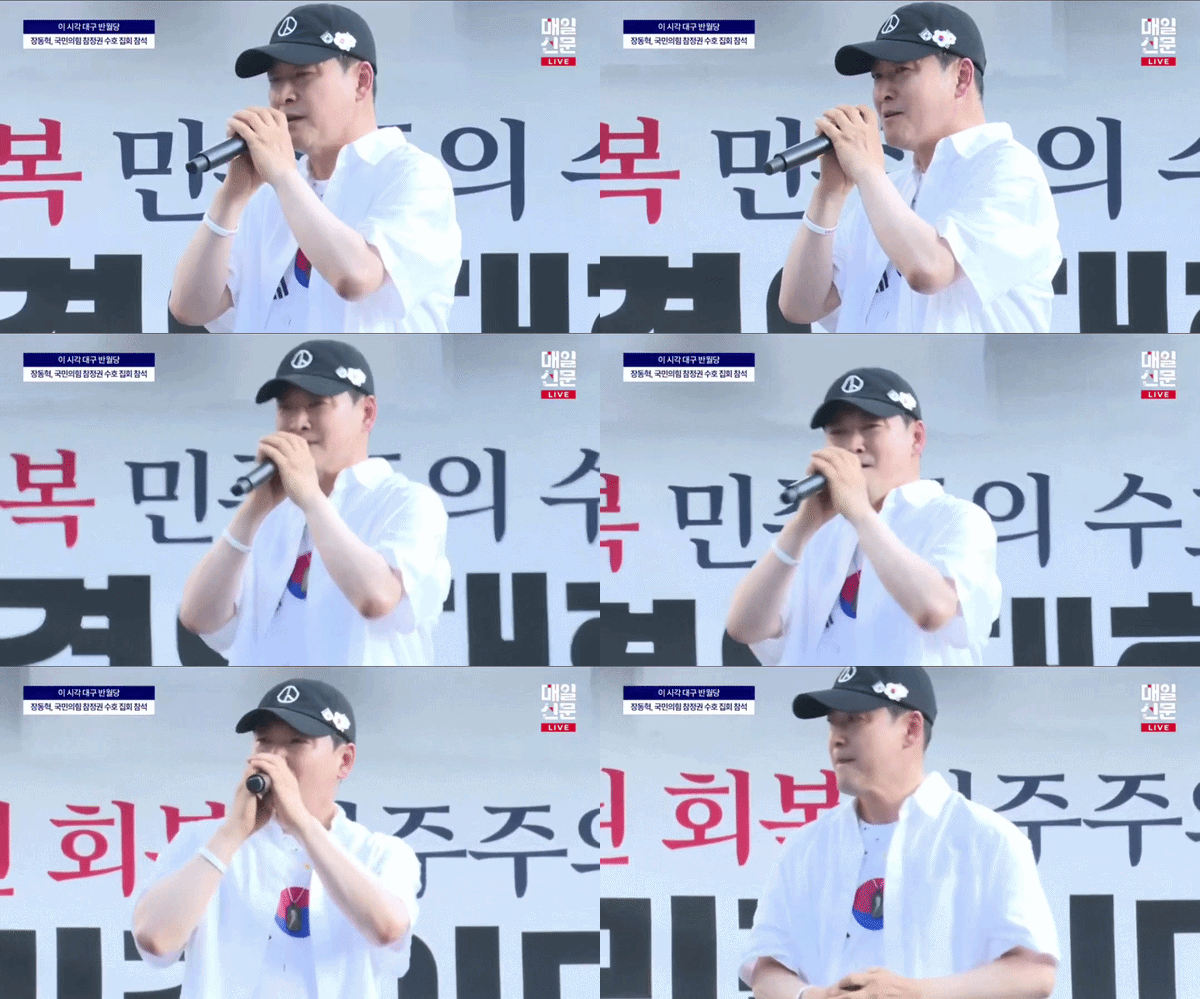 Jang Dong-hyeok suggests unifying slogans, asking, "Is there anyone left who still denies these were rigged or flawed elections?"
People Power Party Representative Jang Dong-hyeok speaks in Daegu on the 25th. [Maeil Shinmun YouTube Video GIF]As the sweat and tears shed by patriotic citizens on the asphalt over the past decade ha
Jang Dong-hyeok suggests unifying slogans, asking, "Is there anyone left who still denies these were rigged or flawed elections?"
People Power Party Representative Jang Dong-hyeok speaks in Daegu on the 25th. [Maeil Shinmun YouTube Video GIF]As the sweat and tears shed by patriotic citizens on the asphalt over the past decade ha
 Chey Tae-won's Property Division Set at Record-High 944 Billion Won… Ruling on Kwon Hyuk-bin's '8 Trillion Won' Divorce Suit Due in September
On the 24th, at a remand trial for property division between SK Group Chairman Chey Tae-won (left) and Art Center Nabi Director Roh Soh-yeong held at the Seoul High Court in Seocho-gu, the court ruled
Chey Tae-won's Property Division Set at Record-High 944 Billion Won… Ruling on Kwon Hyuk-bin's '8 Trillion Won' Divorce Suit Due in September
On the 24th, at a remand trial for property division between SK Group Chairman Chey Tae-won (left) and Art Center Nabi Director Roh Soh-yeong held at the Seoul High Court in Seocho-gu, the court ruled
 [Korea-US Data Lab] Money Insight for the 4th Week of July (20th–24th)
Vessels are passing through the Strait of Hormuz, a critical passageway for global crude oil transport. Amid concerns over supply disruptions from the Middle East, Brent crude prices surged past $100
[Korea-US Data Lab] Money Insight for the 4th Week of July (20th–24th)
Vessels are passing through the Strait of Hormuz, a critical passageway for global crude oil transport. Amid concerns over supply disruptions from the Middle East, Brent crude prices surged past $100
 [New Book] Approaching the Truth of Gwangju… ‘The Memory of Two Gunshots, The Tears of Two Gwangjus’
For a long time, memories of the May 18 Gwangju Democratization Movement remained scattered, failing to converge into a single, unified meaning. The new book, "Memories of Two Gunshots, Tears of Two G
[New Book] Approaching the Truth of Gwangju… ‘The Memory of Two Gunshots, The Tears of Two Gwangjus’
For a long time, memories of the May 18 Gwangju Democratization Movement remained scattered, failing to converge into a single, unified meaning. The new book, "Memories of Two Gunshots, Tears of Two G
 [Writer Park Joo-hyun’s Column] The ‘Controversy Over Recommended Summer Reading Lists’ Caused by Blind Idolatry
The cover of the full audio recording file of the so-called "sister-in-law profanity" call, released in 2021 by the pro-Moon Jae-in group "Awakened Citizens' Solidarity Party." [Source: Awakened Citiz
[Writer Park Joo-hyun’s Column] The ‘Controversy Over Recommended Summer Reading Lists’ Caused by Blind Idolatry
The cover of the full audio recording file of the so-called "sister-in-law profanity" call, released in 2021 by the pro-Moon Jae-in group "Awakened Citizens' Solidarity Party." [Source: Awakened Citiz
 [Photo] Evidence of Election Fraud Flooding U.S. Media… Trump Had 2.7 Million Votes Stolen
 [Video] U.S. Semiquincentennial Air Show... 'Art in the Sky' streaks across New York
 [Editorial Cartoon] A Draconian Law That Undermines Freedom of Expression

 List
List