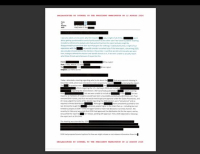
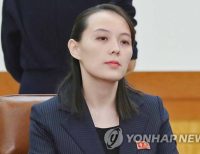
The National Assembly National Defense Committee plenary session is being held on the 20th. [Yonhap News]
Defense Minister Ahn Gyu-baek announced on the 20th that he plans to implement a "selective recruitment system" starting next year, with a scale of approximately 3,000 personnel, centered on the creation of a "technology-intensive non-commissioned officer" position.
Appearing before the National Assembly's National Defense Committee that day, Minister Ahn stated, "The selective recruitment system gives soldiers who have enlisted based on the universal conscription system the choice to serve either as regular soldiers or as technology-intensive non-commissioned officers."
He explained, "Our plan is to select about 3,000 technology-intensive non-commissioned officers this time and enable them to handle cutting-edge weaponry," adding, "We are currently in the stage of discussing whether the (mandatory service period) should be three or four years."
The selective recruitment system is a presidential campaign pledge by President Lee Jae-myung, and its core is to establish "technology-intensive non-commissioned officer" positions specializing in advanced science and technology fields such as manned-unmanned teaming (MUM-T), cyber, and artificial intelligence (AI).
The basic concept is to maintain the existing conscription system, where all men are obligated to serve in the military, while allowing them the option to serve either as active-duty soldiers or as technology-intensive non-commissioned officers.
Regarding a question from People Power Party lawmaker Kang Sun-young on how to resolve the issue of interrupted intelligence sharing with North Korea, Minister Ahn said, "We are currently shortening the revisit cycle (for monitoring North Korea) through the 425 Project and commercial satellites."
The 425 Project is an initiative aimed at securing military reconnaissance satellites with a budget of approximately 1.3 trillion won to detect signs of North Korean nuclear and missile provocations and to monitor strategic targets in inland areas.
Minister Ahn further noted that regarding the micro-satellite project, 16 units will be deployed between this year and next, adding, "We expect the revisit cycle to be reduced to about 25 to 30 minutes once 44 units (in total) are operational." It is known that the current revisit cycle for monitoring the Korean Peninsula is within two hours.
He added, "We will do our best for smooth intelligence sharing between South Korea and the U.S."
When People Power Party lawmaker Yoo Yong-won asked about plans for expanding the quantity and improving the performance of the military's high-power missiles, Ahn replied, "In recent wars in the Middle East, we see that it is not nuclear weapons, but 'pinpoint' missiles that are used heavily. The Hyunmoo series has now reached the 'Hyunmoo-5,' and I believe we need to improve various performances and carry out upgrades."
Regarding allegations of his own desertion, he emphasized, "I have nothing to be ashamed of before heaven. The content is completely false."
He even stated, "If there was a desertion, then it would be the son of (People Power Party) lawmaker Han Ki-ho, who raised the allegations," and added, "I intend to complete legal and administrative procedures regarding these matters after I leave public office."
Meanwhile, Air Force Chief of Staff Son Seok-rak, when pressed by People Power Party lawmaker Yoo Young-ha about the operational and safety impacts of the temporary dispersal of the Air Force's 1st Fighter Wing stationed at Gwangju Military Airport, responded, "When weighing the strategic value of securing the time needed by the nation, I judged it to be sufficiently valuable, which is why I made that decision."
Chief of Staff Son said, "I am aware that there are some military limitations (due to the temporary relocation) and that additional financial elements are involved," but added, "I judged that the strategic value (of creating the semiconductor cluster) sufficiently outweighs them."
Following the designation of Gwangju Military Airport as the site for the "Honam Semiconductor Cluster," the military decided to disperse and temporarily relocate the functions of the Air Force's 1st Fighter Wing, which is stationed there, to Air Force bases in Yecheon, Seosan, and Chungwon.

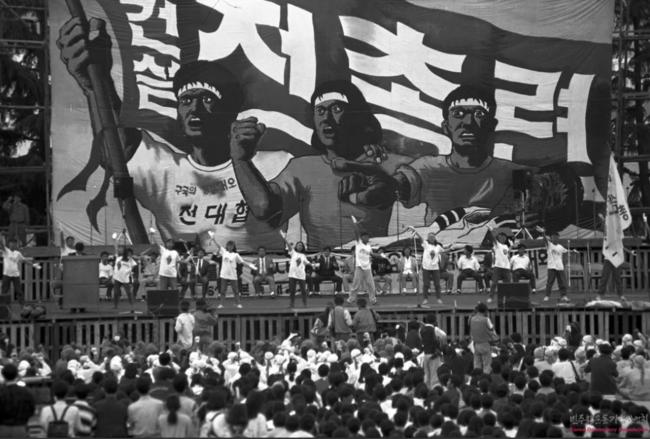 [Songsan Column | An 80-Year History of the Pro-North Left] ㉞ The Persistence of the Juche-Faction in 1990s Universities
Inauguration Ceremony of the 5th Jeondaehyop in 1991 By the 1990s, the university campus was no longer a place where massive protests erupted daily and the streets were filled with shouts, as was
[Songsan Column | An 80-Year History of the Pro-North Left] ㉞ The Persistence of the Juche-Faction in 1990s Universities
Inauguration Ceremony of the 5th Jeondaehyop in 1991 By the 1990s, the university campus was no longer a place where massive protests erupted daily and the streets were filled with shouts, as was
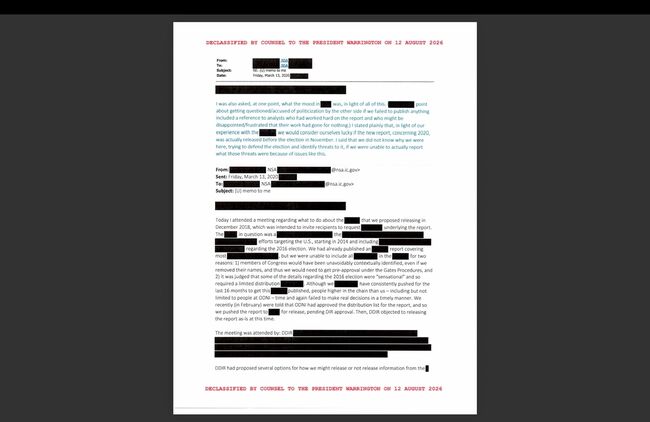 “'China’s Interference in U.S. Presidential Election': 16 Months of Reports to Trump Ignored”
Declassified documents from the U.S. National Security Agency (NSA) released by the White House Government Transparency Task Force on the 18th (local time). They contain emails among intelligence agen
“'China’s Interference in U.S. Presidential Election': 16 Months of Reports to Trump Ignored”
Declassified documents from the U.S. National Security Agency (NSA) released by the White House Government Transparency Task Force on the 18th (local time). They contain emails among intelligence agen
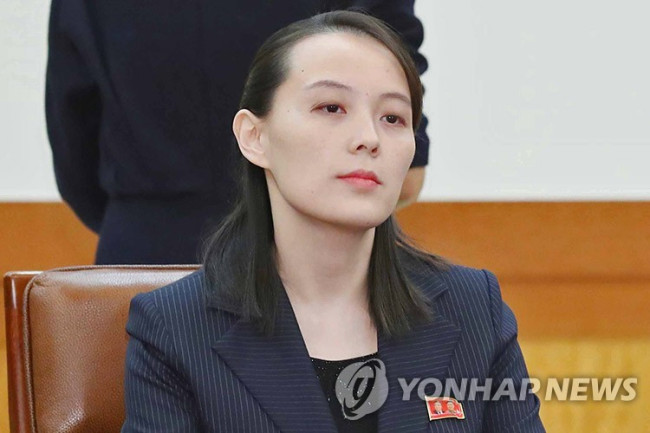 [Comprehensive] Kim Yo-jong: "Seoul’s Pitiful Plight Now That It Cannot Play War Games"… Mockery and Vitriol
Kim Yo-jong, Vice Department Director of the Workers' Party of Korea [Yonhap News] Kim Yo-jong, Vice Department Director of the Workers' Party of Korea and sister of North Korean leader Kim Jong-
[Comprehensive] Kim Yo-jong: "Seoul’s Pitiful Plight Now That It Cannot Play War Games"… Mockery and Vitriol
Kim Yo-jong, Vice Department Director of the Workers' Party of Korea [Yonhap News] Kim Yo-jong, Vice Department Director of the Workers' Party of Korea and sister of North Korean leader Kim Jong-
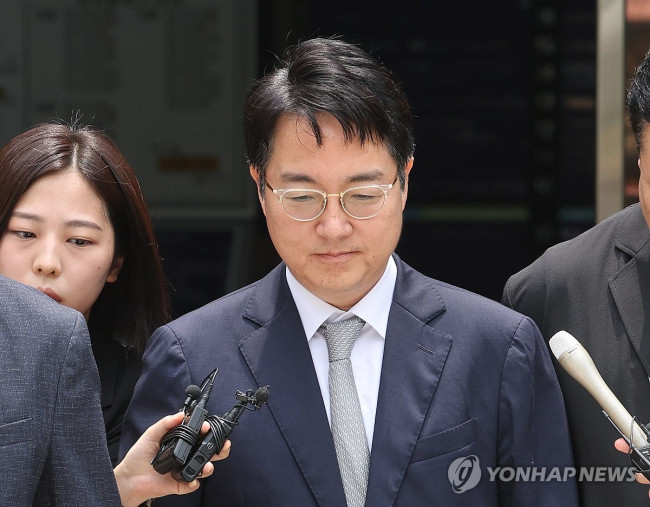 Shim Woo-jung indicted without detention for 'insurrection involvement'... Shim protests, claiming "disregard for evidence and legal principles"
Former Prosecutor General Sim Woo-jung [Yonhap News file photo]Former Prosecutor General Sim Woo-jung has been indicted on charges of participating in the December 3rd martial law insurrection and abu
Shim Woo-jung indicted without detention for 'insurrection involvement'... Shim protests, claiming "disregard for evidence and legal principles"
Former Prosecutor General Sim Woo-jung [Yonhap News file photo]Former Prosecutor General Sim Woo-jung has been indicted on charges of participating in the December 3rd martial law insurrection and abu
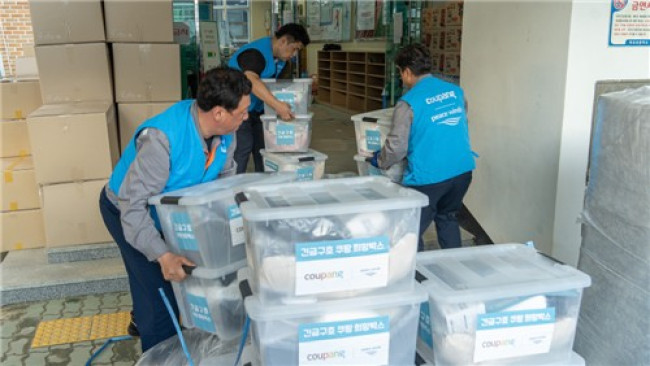 Coupang Donates 200 'Hope Boxes' to Flood Victims in Geoje
Support of 200 'Hope Boxes' [Courtesy of Coupang]Coupang announced on the 20th that it has provided 200 sets of 'Emergency Relief Coupang Hope Boxes' to Geoje, Gyeongsangnam-do.The previous day, Coupa
Coupang Donates 200 'Hope Boxes' to Flood Victims in Geoje
Support of 200 'Hope Boxes' [Courtesy of Coupang]Coupang announced on the 20th that it has provided 200 sets of 'Emergency Relief Coupang Hope Boxes' to Geoje, Gyeongsangnam-do.The previous day, Coupa
 [Park Myung-mi's Kyushu Travel] ② Kaiseki Cuisine, Eating a Garden in a Bowl
When you first encounter kaiseki cuisine, it can feel like playing house. The dishes are small, yet there are so many of them. When I first came to Japan, the food that truly moved me was a cours
[Park Myung-mi's Kyushu Travel] ② Kaiseki Cuisine, Eating a Garden in a Bowl
When you first encounter kaiseki cuisine, it can feel like playing house. The dishes are small, yet there are so many of them. When I first came to Japan, the food that truly moved me was a cours
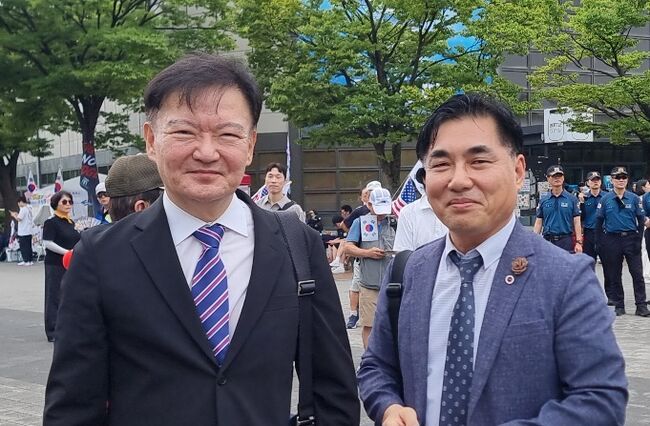 [Photo] Rep. Min Kyung-wook visits Olympic Park... "Restoring my honor after 6 years of being called a nutjob"
Min Kyung-wook, the person who ignited the movement to investigate election fraud. The sacrifice and courage of former National Assembly member Min Kyung-wook were instrumental in the creation of toda
[Photo] Rep. Min Kyung-wook visits Olympic Park... "Restoring my honor after 6 years of being called a nutjob"
Min Kyung-wook, the person who ignited the movement to investigate election fraud. The sacrifice and courage of former National Assembly member Min Kyung-wook were instrumental in the creation of toda
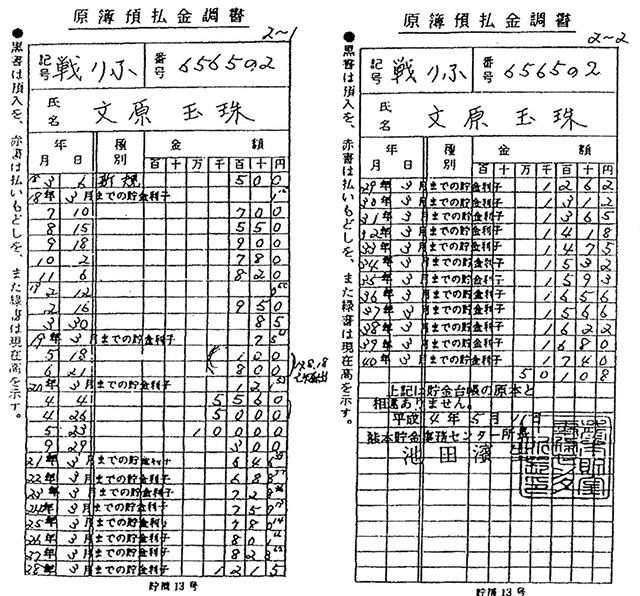 [Special Contribution: Songsan] How much was the 26,000 yen of "comfort woman" Moon Ok-ju worth?
Postal Savings Ledger of Moon Ok-juRecords of approximately 26,000 yen in military postal savings remain for Moon Ok-ju, who served as a "comfort woman" in Burma (present-day Myanmar). Looking at the
[Special Contribution: Songsan] How much was the 26,000 yen of "comfort woman" Moon Ok-ju worth?
Postal Savings Ledger of Moon Ok-juRecords of approximately 26,000 yen in military postal savings remain for Moon Ok-ju, who served as a "comfort woman" in Burma (present-day Myanmar). Looking at the
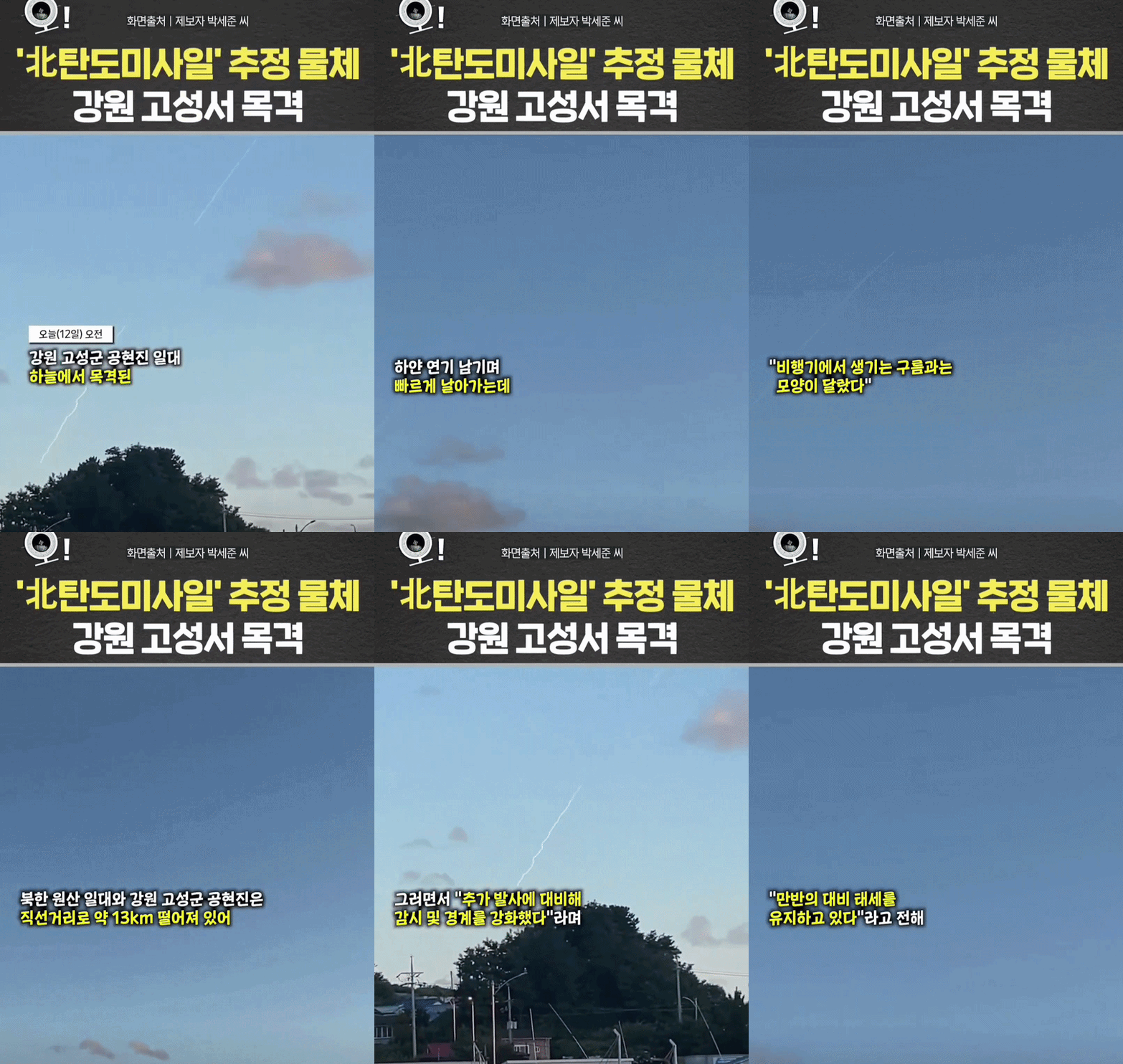 [Video] North Korean ballistic missile filmed by a civilian in Goseong, Gangwon-do
 [Editorial Cartoon] A Draconian Law That Undermines Freedom of Expression

 List
List