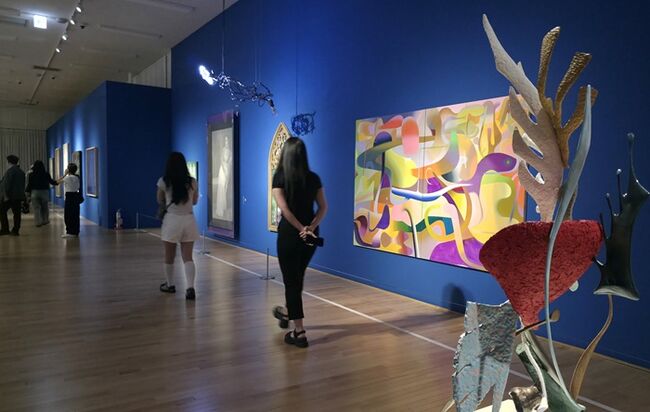
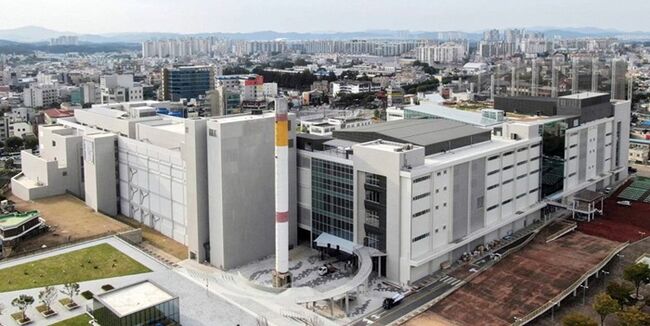
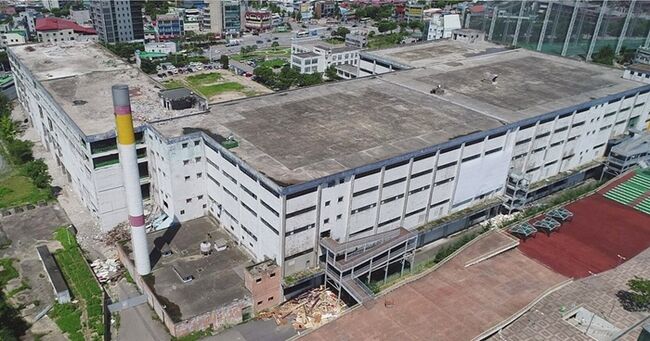
 As Cheongju City transformed the former tobacco manufacturing plant into the 'National Museum of Modern and Contemporary Art, Cheongju,' it preserved the 20-meter chimney and the building's exterior while remodeling only the interior with a modern touch. Below is the view before the remodeling. [Photo=Cheongju City]
There are spaces that once breathed hot life into cities and defined the modern era: factories filled with the noise of machinery, underground bunkers where the tensions of the Cold War lingered, and main government buildings where solemn administrative tasks were carried out. As times changed, these spaces completed their roles and fell silent, but they have recently been revived with a new breath of "culture and art."
Let’s set out on a journey to discover special "urban regeneration" cultural spaces in Chungbuk that go beyond simple restoration to shine a light of hope on forgotten memories. Indoor travel destinations with good air conditioning are perfect for the sweltering summer.
The Tobacco Manufacturing Plant Transformed into an Art Museum Storage
Naedeok-dong in Cheongju was once called "Tobacco Village." It was home to the nation’s largest tobacco manufacturing plant, which began operations in 1946, immediately after liberation. In its heyday, about 3,000 workers produced 10 billion cigarettes annually, driving the Cheongju economy.
However, after closing in 2004, it was left as an eyesore in the city center for over a decade, and the surrounding commercial district fell into decline along with it. To revive the area, Cheongju City benchmarked the world-renowned "Tate Modern" in London, England.
Tate Modern was a remodel of a former power station. After closing in 1981, it sat abandoned for over 20 years without a clear use before undergoing extensive remodeling to become one of the world's best art museums. Today, it is London's top cultural facility, attracting over 6 million visitors annually and acting as a vanguard for revitalizing the surrounding decaying area.
As Cheongju City transformed the tobacco plant into the 'National Museum of Modern and Contemporary Art, Cheongju,' it kept the 20-meter chimney and the building's exterior intact, remodeling only the interior into a modern space. Notably, this is the nation’s first "open-storage museum," boldly opening up storage areas—which are usually strictly restricted to visitors—allowing the public to view the collection in its stored state.
A Flower Born from the Scars of the Cold War: 'Dangsan Thought Bunker'
The 'Dangsan Thought Bunker' is a massive Chungmu facility with 14 rooms and a length of 200 meters, built in 1973 by carving into the bedrock of Dangsan Mountain near the Chungbuk Provincial Office. A Chungmu facility refers to an underground emergency evacuation shelter (bunker) designed to serve as a wartime command post in the event of national emergencies, such as war or large-scale disasters.
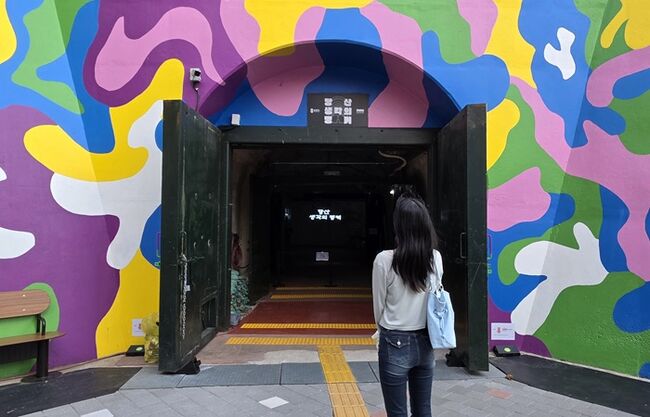
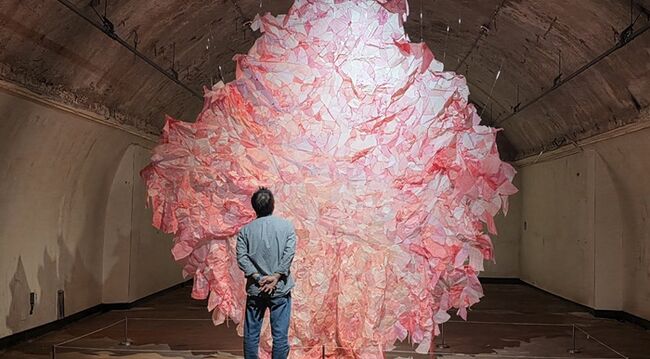
 'Dangsan Thought Bunker' was a massive Chungmu facility built in 1973 by carving into the bedrock of Dangsan Mountain near the Chungbuk Provincial Office, featuring 14 rooms across 200 meters. [Photo=Reporter Lim Yo-hee, Joint Press Corps]
As it was a space prepared for emergencies, it does not feature basic paintwork. There is nothing hipper than seeing colorful lighting and art pieces settled within such blunt, achromatic spaces.
Currently, the bunker is hosting the special exhibition "A Thousand Emotions, Ten Thousand Expressions." Beyond the heavy iron doors, the 14 rooms located along the long corridor are named after various emotions: joy, delight, pain, hatred, anger, sadness, solitude... We likely have such rooms of diverse emotions within our own hearts as well.
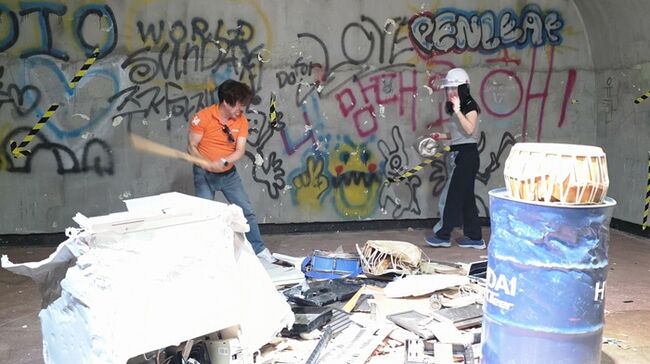
The visitor participation program, "The Rage Room," allows participants wearing protective gear to take a hammer and personally smash discarded household appliances and various items to release pent-up emotions. Scattered here and there inside the room are the broken objects, looking like the residue of the emotions people have let go of.
This is a rare space where modern people, who have lived by hiding countless emotions for fear of negative consequences, can finally express their subconscious.
Returning to the People After 80 Years... 'Picture Book Garden 1937'
Completed in 1937, the Chungbuk Provincial Office main building is a meaningful National Registered Cultural Heritage (No. 55) built with voluntary donations from the provincial residents. This place, which was once a symbol of a solemn and authoritative space, was opened to the public last April as a multi-cultural space called 'Picture Book Garden 1937.' With this development, the governor's office, which had occupied the spot for over 80 years, was moved to the new building in the back.
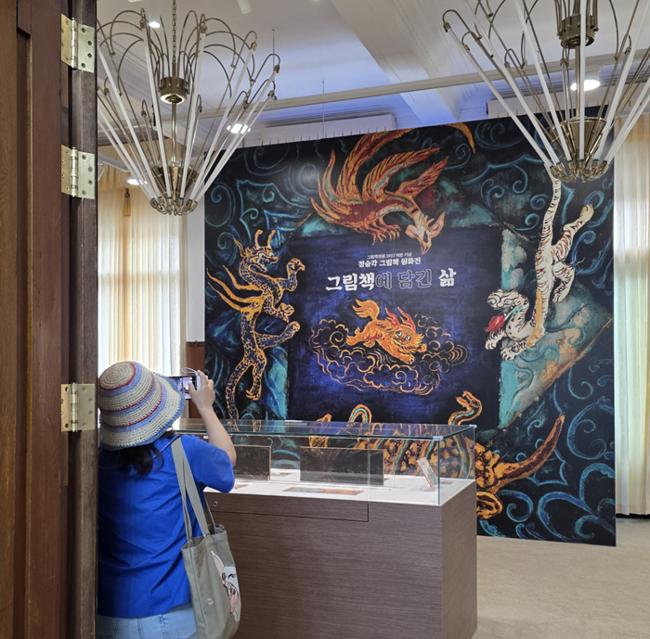
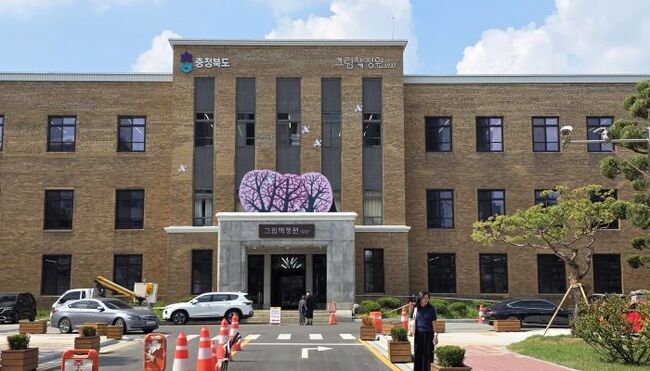
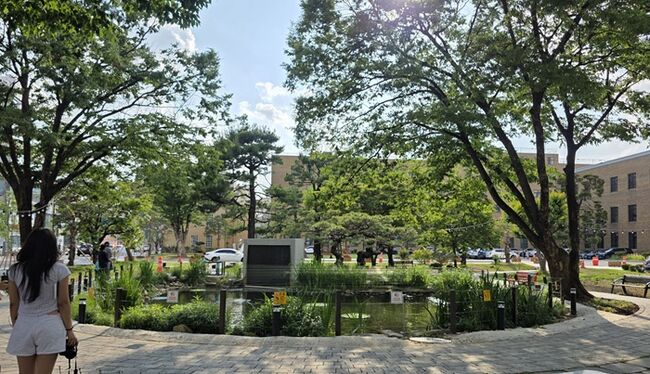 The Chungbuk Provincial Office main building, completed in 1937, has been reborn as the multi-cultural space 'Picture Book Garden 1937.' [Photo=Reporter Lim Yo-hee]Entering through the central entrance, the stiff hallways and spaces where public officials once worked are now packed with children's books and vibrant pop-up books. Children fall into pleasant contemplation as they browse the picture books filling the walls.
Currently, to commemorate the opening, the space is hosting an exhibition of original paintings by Jung Seung-gak, an illustrator famous for the fairy tale "Dog Poo," alongside a special exhibition that styles the entire space as a three-dimensional pop-up book.
In addition, the provincial office courtyard has been transformed into an open park where citizens can enjoy a relaxing break by removing walls, clearing out juniper trees, and installing a pond.
All three locations are situated in downtown Cheongju, making them perfect for a one-day "urban regeneration tour" course. I recommend a journey where you feel the scale of modern industry and the scent of art at the former tobacco plant, experience art physically at the Dangsan Bunker, and then return to childhood with a warm cup of tea at the Chungbuk Provincial Office's "Picture Book Garden 1937."
Reporter Lim Yo-hee

 [In-depth Analysis] Will the U.S. House Report on Coupang Deal a 'Direct Blow' to Semiconductors?
Interim staff report by the U.S. House Judiciary Committee Republicans [Photo = Captured from report cover]The "Interim Staff Report by the U.S. House Judiciary Committee Republicans" is escalating be
[In-depth Analysis] Will the U.S. House Report on Coupang Deal a 'Direct Blow' to Semiconductors?
Interim staff report by the U.S. House Judiciary Committee Republicans [Photo = Captured from report cover]The "Interim Staff Report by the U.S. House Judiciary Committee Republicans" is escalating be
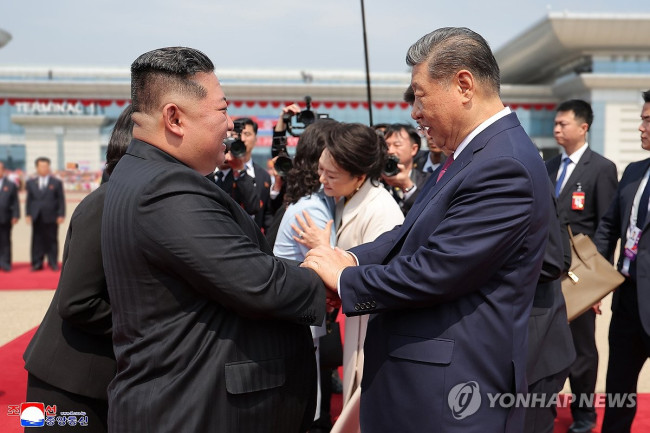 Xi Jinping Sends Reply to Kim Jong Un… "Developing DPRK-China Relations Stably and Long-Term"
According to a report by the Korean Central News Agency (KCNA) on the 10th, Chinese President Xi Jinping and his wife, Peng Liyuan, departed Pyongyang by private plane on the afternoon of the 9th, con
Xi Jinping Sends Reply to Kim Jong Un… "Developing DPRK-China Relations Stably and Long-Term"
According to a report by the Korean Central News Agency (KCNA) on the 10th, Chinese President Xi Jinping and his wife, Peng Liyuan, departed Pyongyang by private plane on the afternoon of the 9th, con
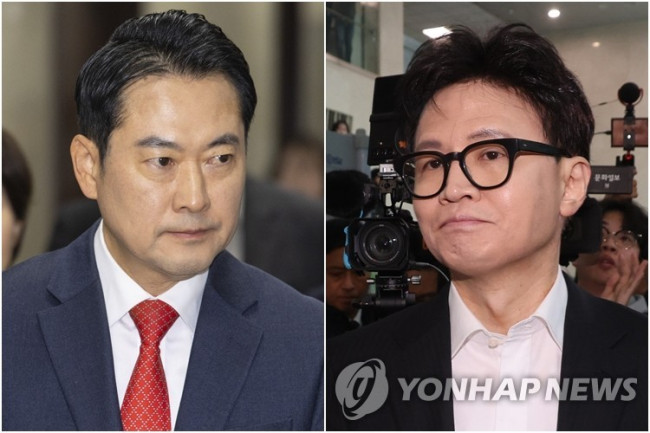 Jang Dong-hyeok, casting out the pro-Han faction first?… PPP on high alert over the 'coming soon' politics of disciplinary action
Representative Jang Dong-hyeok (left) and former representative Han Dong-hoon [Yonhap News] A palpable sense of tension is building within the People Power Party on the 5th as the central party's
Jang Dong-hyeok, casting out the pro-Han faction first?… PPP on high alert over the 'coming soon' politics of disciplinary action
Representative Jang Dong-hyeok (left) and former representative Han Dong-hoon [Yonhap News] A palpable sense of tension is building within the People Power Party on the 5th as the central party's
 [Exclusive Investigation] The Fatal Boomerang of the 5·18 ‘Gwang-su Ruling’… The ‘Genocide’ Bomb Thrown by Dr. Ji Man-won
Dr. Ji Man-won ©Hanmi IlboA new legal debate is igniting within the legal and historical communities surrounding the 1980 Gwangju Democratization Movement (May 18), which has been the most volati
[Exclusive Investigation] The Fatal Boomerang of the 5·18 ‘Gwang-su Ruling’… The ‘Genocide’ Bomb Thrown by Dr. Ji Man-won
Dr. Ji Man-won ©Hanmi IlboA new legal debate is igniting within the legal and historical communities surrounding the 1980 Gwangju Democratization Movement (May 18), which has been the most volati
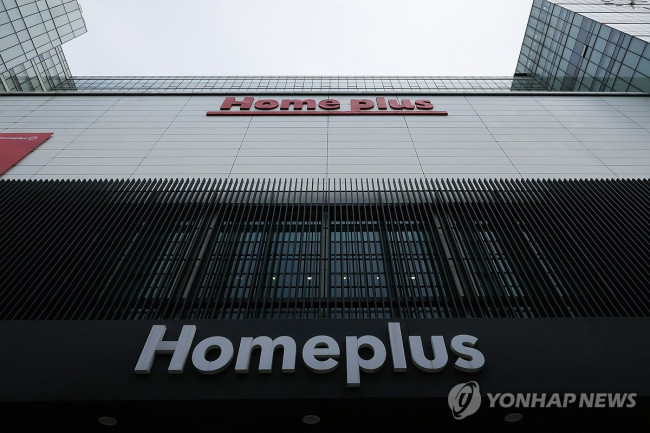 Homeplus effectively heading toward bankruptcy… Court terminates rehabilitation proceedings
Homeplus submits revised rehabilitation plan incorporating store closures and cost-cutting measures [Yonhap News file photo]Homeplus, the major discount store chain, is now headed toward bankruptcy as
Homeplus effectively heading toward bankruptcy… Court terminates rehabilitation proceedings
Homeplus submits revised rehabilitation plan incorporating store closures and cost-cutting measures [Yonhap News file photo]Homeplus, the major discount store chain, is now headed toward bankruptcy as
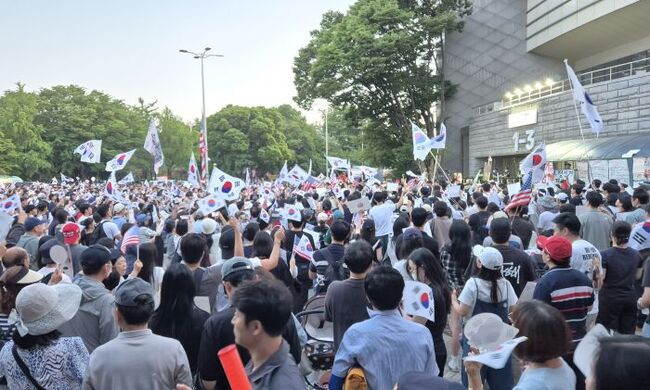 [Seobokka Yuksa Gukguk Comrades Association Statement] ㉑ Eradicate the Election Fraud Cartel through an Opposition-Led Special Prosecutor and Reclaim the Stolen Republic of Korea
Citizens condemning the National Election Commission’s violation of suffrage and calling for a "rerun of the fraudulent election!" ⒸHanmi Ilbo A month has passed since the truth was revealed
[Seobokka Yuksa Gukguk Comrades Association Statement] ㉑ Eradicate the Election Fraud Cartel through an Opposition-Led Special Prosecutor and Reclaim the Stolen Republic of Korea
Citizens condemning the National Election Commission’s violation of suffrage and calling for a "rerun of the fraudulent election!" ⒸHanmi Ilbo A month has passed since the truth was revealed
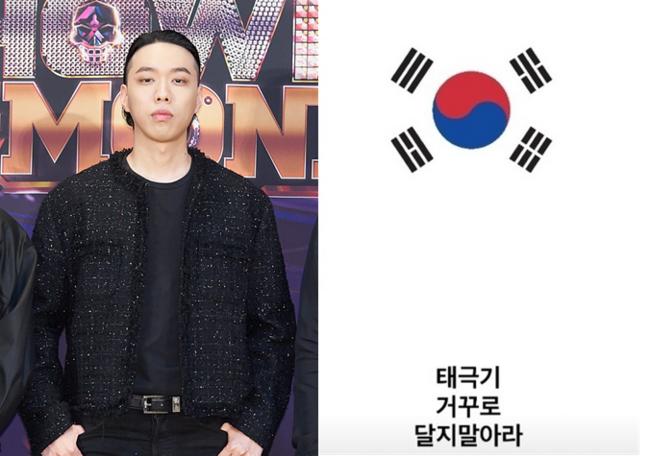 [Photo] “Don’t hang the Taegeukgi upside down”… Did BewhY take a jab at Kim Min-seok?
 [Video] U.S. Semiquincentennial Air Show... 'Art in the Sky' streaks across New York
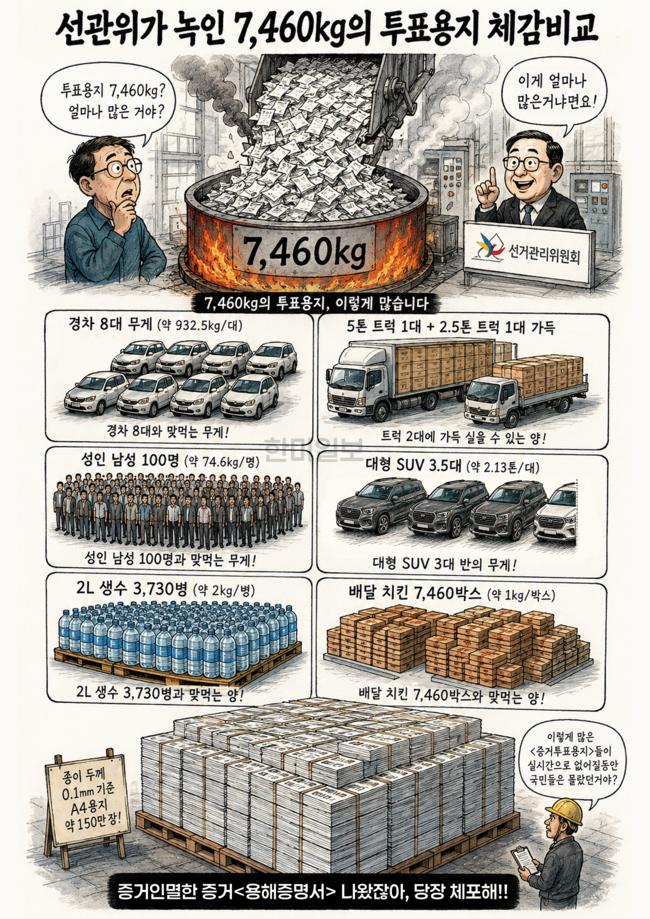 [Editorial Cartoon] A Comparative Visualization of the 7,460kg of Ballot Papers Shredded by the NEC

 List
List