Diabetes is a condition that can certainly be cured.
Diabetes is broadly categorized into congenital "Type 1 diabetes" and "Type 2 diabetes," which is caused by obesity and lifestyle habits. However, in clinical practice, we frequently encounter patients who fall into an ambiguous boundary that is difficult to explain solely through these two categories.
These are patients with what is known as "Type 1.5 diabetes (acquired pancreatic injury type)," where pancreatic cells are gradually destroyed due to acquired factors. According to statistics, these patients account for approximately 12.8% of all diabetics. Why would someone whose pancreatic function was intact at birth suffer severe damage to insulin secretion due to acquired causes?
Two Pathways to Acquired Pancreatic Injury
There are generally two pathways through which acquired pancreatic injury type (Type 1.5) diabetes develops.
First, it is due to the failure of early management of "obesity-related diabetes" (Type 2). Most diabetic patients begin in a state of simple "hyperglycemia (non-pancreatic injury type)" where the pancreas is not yet damaged.
However, if a state of increased weight and high insulin resistance is left unmanaged, the pancreas is forced to overwork to squeeze out insulin to lower blood sugar levels. While it varies from person to person, if this overload state persists for 10 to 30 years, the pancreatic beta cells eventually become exhausted and are destroyed, progressing to Type 1.5 diabetes.
Second, the cause is extreme overwork, stress, or heavy drinking. Even without an initial obesity phase, fatal stress, continuous binge drinking, or chronic fatigue can cause rapid damage to pancreatic cells, leading to diabetes.
Among the patients visiting our clinic, we often see individuals who were obese in the past but complain of sudden weight loss and thirst as they age. This is the point where the symptoms of "three excesses and one deficiency (excessive thirst, excessive hunger, excessive urination, and weight loss)"—as described in traditional Korean medicine—truly manifest, and at this stage, the insulin secretion function of the pancreas drops sharply, entering the Type 1.5 phase.
Utilizing the Cells' "Autophagy" and "Autolysis" Capabilities
Once damaged, pancreatic beta cells are very difficult to regenerate. Simply eating well and resting is not enough to turn abnormal cells back into healthy ones. So, is there no way to restore beta cells to their original state?
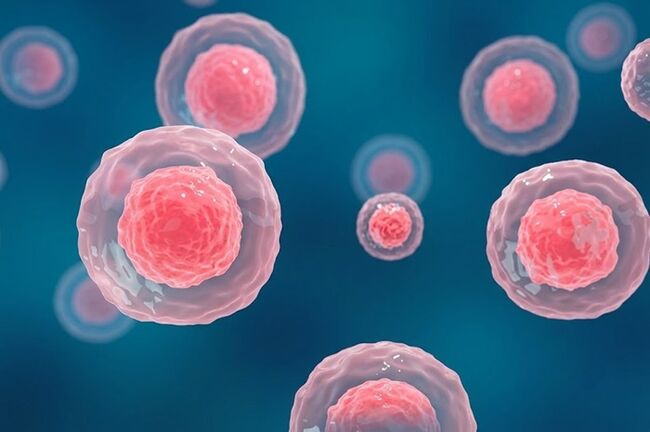 When our body faces adverse conditions where nutrient supply is restricted, it breaks down internal waste, abnormal cells, or dead cells to recycle them as energy sources for healthy cells to survive. This is the autophagy theory.
Here, it is worth noting the concepts of "Autophagy" and "Autolysis," which won the 2016 Nobel Prize in Physiology or Medicine. When our body faces adverse conditions where nutrient supply is restricted, it breaks down internal waste, abnormal cells, or dead cells to recycle them as energy sources for healthy cells to survive.
If the body needs 2,000 units of fuel per day but we intentionally provide only 300–700 units, the body begins to burn internal waste (abnormal or old cells) to make up for the caloric deficit.
In other words, as long as you continue to eat everything, you can never expect the self-regeneration of the pancreas. Only by providing the gastrointestinal tract and pancreas with complete rest through small meals, intermittent fasting, or fasting can an environment for tissue regeneration be created.
Three Solutions to Overcome Acquired Pancreatic Injury Diabetes
Considering the turnover cycle of pancreatic cells, the recovery of Type 1.5 diabetes requires long-term treatment of at least 6 months. Specific solutions to create an environment for cellular autolysis and regeneration are as follows.
➀ Normalizing the body's drainage system (toxin excretion): Normalize the functions of the small intestine, large intestine, and kidneys to ensure smooth excretion of toxins and waste through urine and stool.
② Combining fasting with low-molecular-weight nutrient supplementation: While autophagy is realized through fasting, fasting without care can be toxic. During fasting, consume fully fermented nutrients that do not burden the stomach and small intestine with digestion.
③ Quality sleep: Nighttime sleep is the period for distributing nutrients and repairing the body within the physiological rhythm. Many metabolic diseases stem from poor sleep quality. When △toxin excretion, △fasting, and △low-molecular-weight nutrient intake are combined with △quality sleep, the body's natural restorative capacity is maximized.
Always Check the Type of Diabetes Medication
Lastly, there is something diabetic patients must be most wary of: the misuse of "sulfonylurea" class medications by patients with simple Type 2 (obesity-type) diabetes, who still possess pancreatic insulin secretion function, but are essentially forcing the pancreas to over-secrete insulin.
If you continuously take insulin secretagogues when the pancreas is not yet damaged, the overload on the pancreas worsens, which can significantly accelerate the progression to Type 1.5 pancreatic injury diabetes. You must consult with an expert to discuss and verify the mechanism of the medication you are currently taking.
Even if the pancreas is already damaged, if you understand the principles of our body and utilize the right tools, the path to restoration remains open.
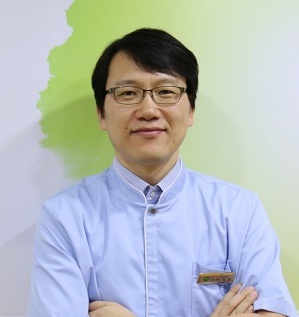
◆ Director Park Chan-young
Director of Eoseongcho Korean Medicine Clinic in Sadang-dong, Seoul. Ph.D. in Korean Medicine from Dongguk University. He gained recognition for the "detox sensation" in Korea through appearances on TV health programs such as MBN’s "King of Thumbs." He is the author of "Curing Atopy and Acne with Eoseongcho," "Seasoning is Medicine," and "The Miracle of Detox."

 [Analysis] Is a ‘Win-Win’ Possible for the U.S. and Venezuela?
U.S. President Donald Trump and Venezuelan Interim President Delcy Rodríguez. The U.S. government has secured a 35% stake in the parent company of the private oil firm NABEP and the rights to acquire
[Analysis] Is a ‘Win-Win’ Possible for the U.S. and Venezuela?
U.S. President Donald Trump and Venezuelan Interim President Delcy Rodríguez. The U.S. government has secured a 35% stake in the parent company of the private oil firm NABEP and the rights to acquire
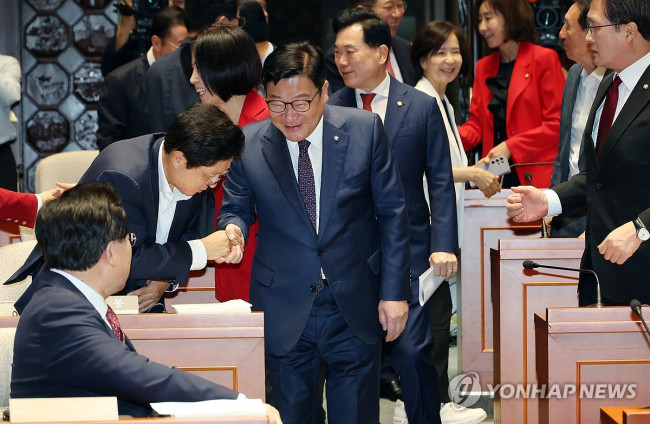 PPP's general meeting fails to adopt 'People's Voting Rights Protection Act' as party platform; agrees to further discussions
Floor Leader Jeong Jeom-sik attending the policy general meeting of lawmakers [Seoul=Yonhap News]On the 3rd, the People Power Party planned to adopt as a party platform a bill to reform the National E
PPP's general meeting fails to adopt 'People's Voting Rights Protection Act' as party platform; agrees to further discussions
Floor Leader Jeong Jeom-sik attending the policy general meeting of lawmakers [Seoul=Yonhap News]On the 3rd, the People Power Party planned to adopt as a party platform a bill to reform the National E
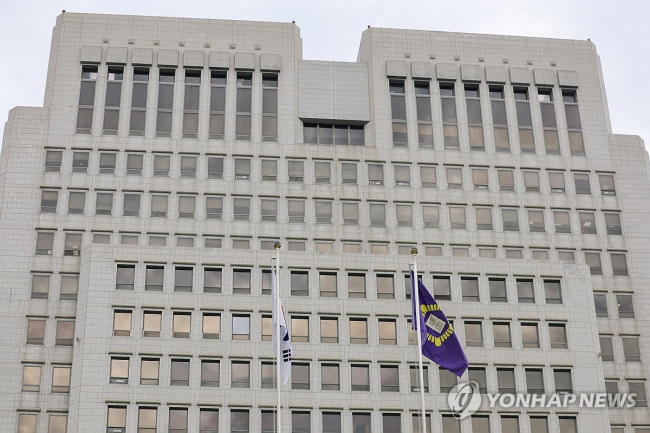 27 legal professionals from the Seoul National University Law School class of '76: "The Blue House’s demand for the reappointment of Supreme Court Justices is unjust."
The Supreme Court of Korea [Seoul=Yonhap News] Twenty-seven legal professionals from the Seoul National University College of Law's class of '76 issued a joint statement on the 3rd, criticizing P
27 legal professionals from the Seoul National University Law School class of '76: "The Blue House’s demand for the reappointment of Supreme Court Justices is unjust."
The Supreme Court of Korea [Seoul=Yonhap News] Twenty-seven legal professionals from the Seoul National University College of Law's class of '76 issued a joint statement on the 3rd, criticizing P
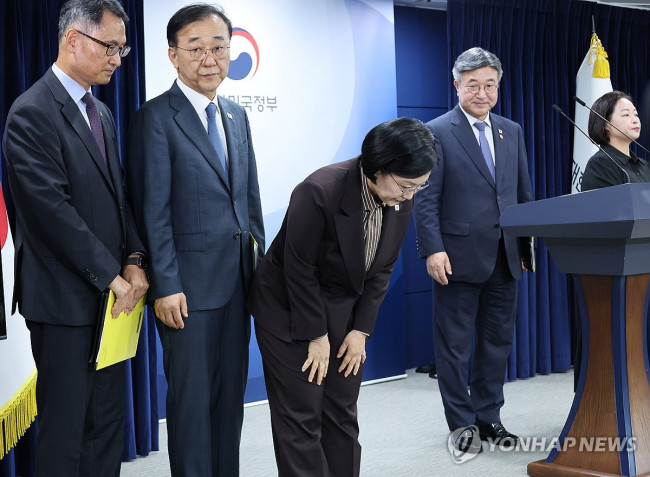 Relocation of Public Institutions to Begin Next Year… "Minimize Retention in Capital Region, Reduce 109 Institutions"
The government will begin the full-scale relocation of administrative and public institutions starting in the first half of next year.It is also launching reforms to reduce the number of public instit
Relocation of Public Institutions to Begin Next Year… "Minimize Retention in Capital Region, Reduce 109 Institutions"
The government will begin the full-scale relocation of administrative and public institutions starting in the first half of next year.It is also launching reforms to reduce the number of public instit
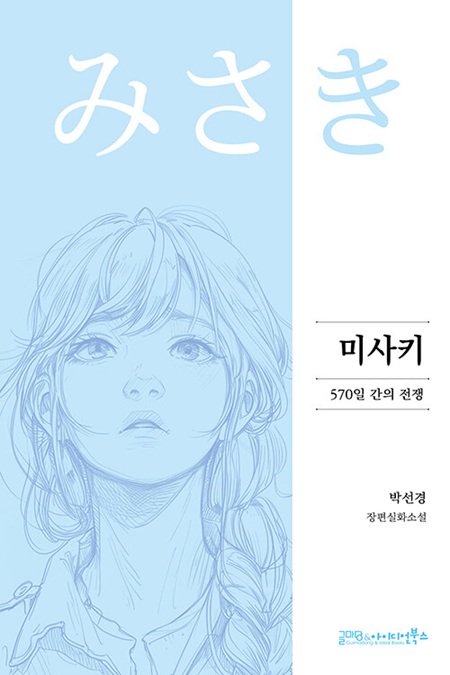 [New Book] The True Face of the Ivory Tower Hidden in the Shadow of Power… Park Sun-kyung’s ‘Misaki’
The university campus, often called a sanctuary of intellect. A new novel has been published that sharply dissects the hypocrisy and absurdity committed within those solid walls of power. &
[New Book] The True Face of the Ivory Tower Hidden in the Shadow of Power… Park Sun-kyung’s ‘Misaki’
The university campus, often called a sanctuary of intellect. A new novel has been published that sharply dissects the hypocrisy and absurdity committed within those solid walls of power. &
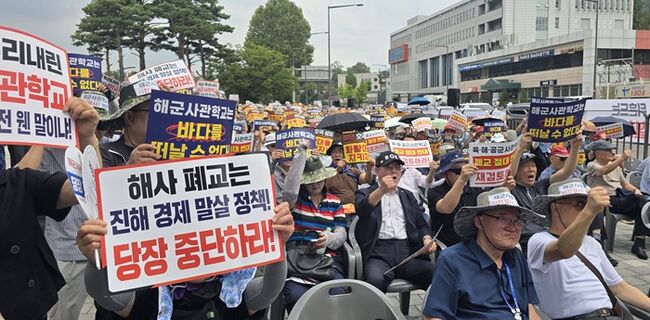 [Photo] “We Oppose the Closing of the Military Academy”… Large-Scale Protest Held in Front of the War Memorial on the 26th
The "National Solidarity for Preventing the Closure of Military Academies" held a rally to protest the closure of military academies at the plaza in front of the War Memorial of Korea in Samgakji, Seo
[Photo] “We Oppose the Closing of the Military Academy”… Large-Scale Protest Held in Front of the War Memorial on the 26th
The "National Solidarity for Preventing the Closure of Military Academies" held a rally to protest the closure of military academies at the plaza in front of the War Memorial of Korea in Samgakji, Seo
 [Trending Destinations] The Leisure of Seoul's Hangang Bus and the Romance of Hong Kong's Star Ferry
Hannam Bridge viewed from the Hangang Bus. [Video = Reporter Lim Yo-hee]With the introduction of the Hangang Bus, Seoul—which previously lacked sufficient water-based public transport—has gained a
[Trending Destinations] The Leisure of Seoul's Hangang Bus and the Romance of Hong Kong's Star Ferry
Hannam Bridge viewed from the Hangang Bus. [Video = Reporter Lim Yo-hee]With the introduction of the Hangang Bus, Seoul—which previously lacked sufficient water-based public transport—has gained a
 [Jung Jae-hak’s From Jeolla-do] Listening to Patti Kim’s ‘Song of September’
Today, as it has been all day long, the heat wave has been sculpting clouds, and the wind has been gathering them. Thus, from the early evening through the night, the sound of rain persists.&nbs
[Jung Jae-hak’s From Jeolla-do] Listening to Patti Kim’s ‘Song of September’
Today, as it has been all day long, the heat wave has been sculpting clouds, and the wind has been gathering them. Thus, from the early evening through the night, the sound of rain persists.&nbs
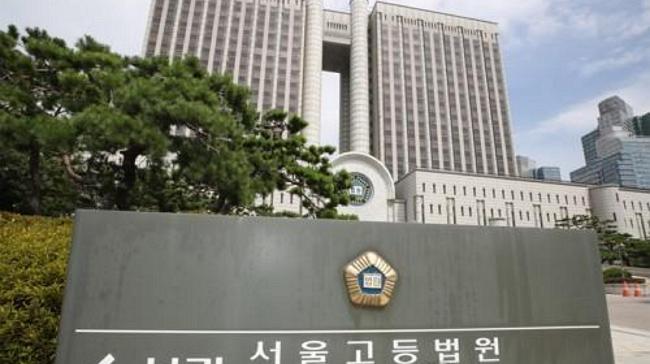 [Issue Commentary] 3 Reasons Why the Lee Jae-myung Trial Must Proceed
 [Editorial Cartoon] A Draconian Law That Undermines Freedom of Expression

 List
List